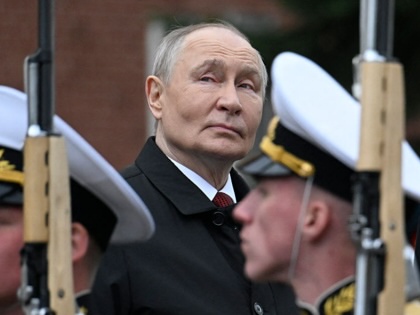
Russia’s War Machine Is Creaking
Russia’s war economy has this year suffered some of its worst setbacks since the invasion of Ukraine. An under-strain Russian society isn’t revolting yet. But Russians’ doubts about the war are growing.
Alexey Sakhnin is a Russian activist who was one of the leaders of the anti-Putin protest movement from 2011 to 2013. He is a member of the Progressive International Council and Socialists Against War.
Russia’s war economy has this year suffered some of its worst setbacks since the invasion of Ukraine. An under-strain Russian society isn’t revolting yet. But Russians’ doubts about the war are growing.
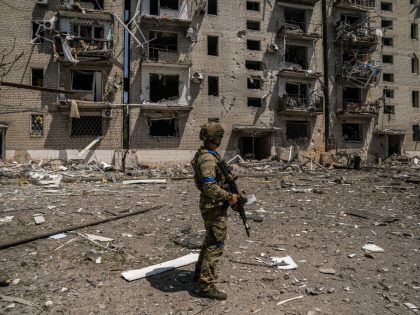
Talks over an American-Russian peace plan seek to impose a harsh settlement on Ukraine. Faced with the carve-up of territory, it’s vital to build an international peace movement opposing the logic of imperialist blocs.
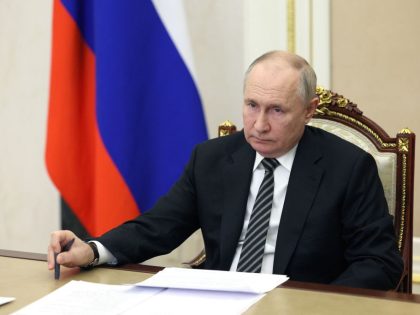
Israel’s war in Gaza has been portrayed as a gift for Moscow, helping it rally the Global South against the West. But Kremlin policy in the region has long relied on a tacit deal with Israel — and its unraveling is causing splits within Russia’s elite.
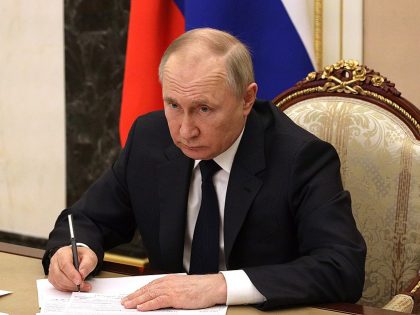
As Russian troops rain terror on Ukrainians, Vladimir Putin’s ministers claim they want a negotiated peace. But with victory out of reach, the Kremlin’s war is turning to the home front, to quash dissenting antiwar voices within Russia.
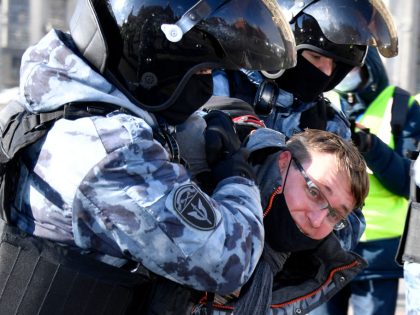
Pro-Putin pollsters maintain that most Russians support the “special military operation” against Ukraine. But artificial efforts to stir public enthusiasm can’t hide the disastrous effects the war is having on ordinary Russians.
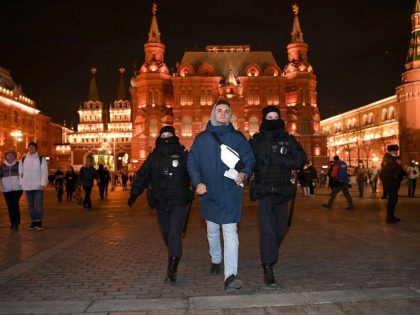
Both official and liberal media in Russia told the population that war wasn’t coming — until suddenly it did. Vladimir Putin’s failure to mobilize public opinion has drawn him into a potentially long and unpopular war.
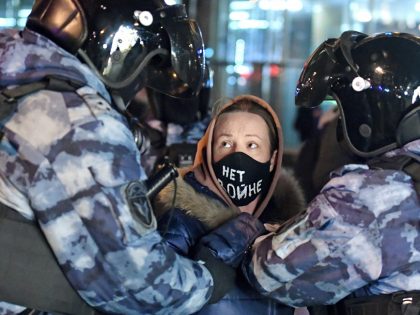
Vladimir Putin claims that he is “demilitarizing” Ukraine by invading it with tanks and bombs. In Moscow, ordinary Russians don’t understand what their government is planning — but they’re shocked by the assault on a neighboring country.
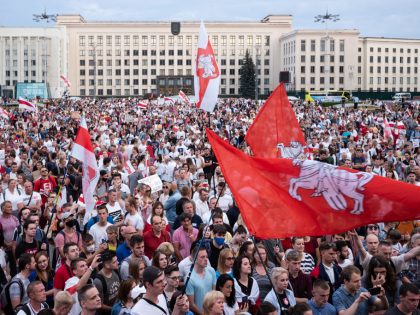
It's six months since the fraudulent election in Belarus sparked mass protests against Alexander Lukashenko's authoritarian regime. The collapse of his statist model of capitalism has fed mass discontent with his rule — but the liberal opposition's own promises of change also drew skepticism among working-class Belarusians.
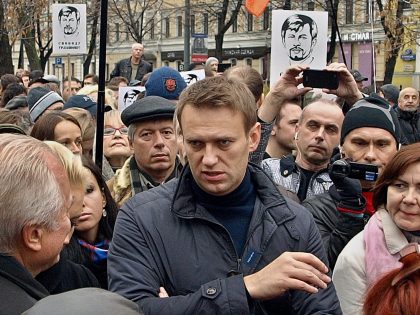
The arrest of Russian opposition leader Alexei Navalny has sparked mass protests against Vladimir Putin's authoritarianism. Navalny's journalism has highlighted the cronyism of Russia's elites — but his chameleon-like shifts between liberalism and anti-immigrant nationalism show he's no champion of working-class Russians.
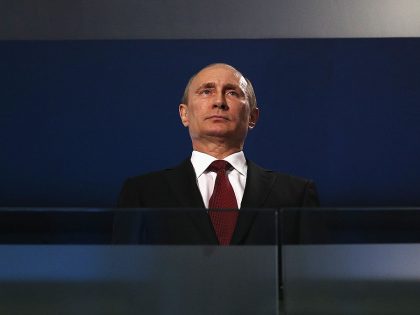
Today, Russians vote in a constitutional referendum designed to give Vladimir Putin a fresh burst of legitimacy. His feeble response to the coronavirus pandemic has ruined his “strongman” reputation — and it’s feeding a growing mood of popular discontent.
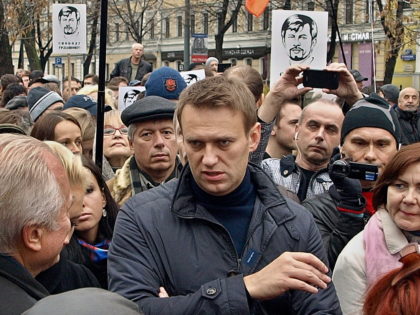
The movement in Russia against Putin's authoritarian government is dominated by one man: the right-wing populist Alexey Navalny.
In the heated propaganda war between Russia and the “West,” rationality is in short supply.