Extreme Free-Market “Shock Therapy” in Postcommunist Eastern Europe Was a Disaster
Free-market ideologues claimed that economic “shock therapy” would turn communist states into models of prosperity. Instead it triggered a recession deeper than the Great Depression and fostered the ultranationalist right in countries like Hungary and Poland.
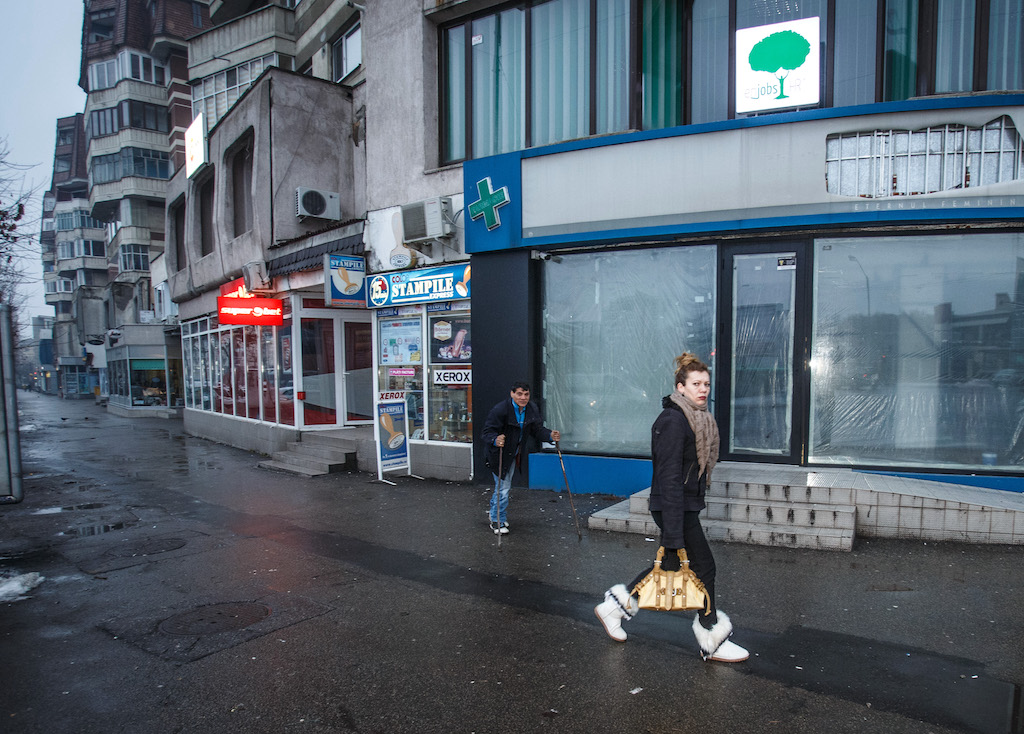
Scholars both within and outside Central Eastern Europe are revisiting the postcommunist transformation strategies of the 1990s. (Jaap Arriens / NurPhoto via Getty Images)
With the rise of the nationalist right, liberal intellectuals in Central Eastern Europe have started to revisit self-critically the postcommunist transformation strategies of the 1990s. “We were stupid,” was the blunt conclusion of the late Polish philosopher Marcin Król. Król’s thesis was that the liberal strategists neglected the social consequences of transformation. In his view, this insensitivity prepared the ground for a nationalist backlash.
The first essays on this issue were aimed at domestic audiences, but social scientists from outside the region have also begun to engage in a similar process of soul-searching, albeit with a slight time delay. Taking Stock of Shock: Social Consequences of the 1989 Revolutions by Kristen Ghodsee and Mitchell A. Orenstein is an intervention in this debate.
The Balance Sheet
The two US-based researchers bring different disciplinary approaches to their study: Orenstein specializes in issues of political economy and has also done studies for the World Bank, while Ghodsee is an anthropologist whose focus is on gender issues. The book’s geographic scope is very broad, encompassing the whole region from the former German Democratic Republic — which is usually absent from comparative research on the post-socialist countries — to the Central Asian successor states of the Soviet Union.