
Portugal’s General Strike
Portugal’s right-wing government is extending the anti-labor agenda it pushed during the austerity era. A 3-million-strong general strike on December 11 showed a resilient working-class response.
Catarina Príncipe is a political activist from Portugal. She is a member of Bloco de Esquerda, a coeditor of Europe in Revolt, and a Jacobin contributing editor.
Portugal’s right-wing government is extending the anti-labor agenda it pushed during the austerity era. A 3-million-strong general strike on December 11 showed a resilient working-class response.
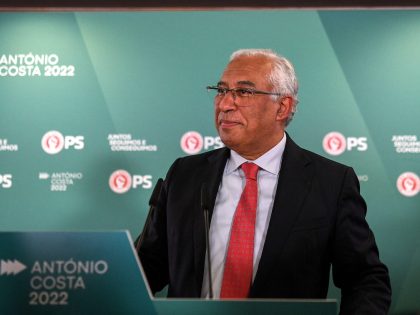
The Portuguese Socialist Party once seemed to be a model for Europe’s center left, gaining support while its sister parties were in decline. But this year’s election was a crushing defeat that saw the Socialists fall behind the far-right group Chega.

The Right won more than 50% of the vote in Portugal’s general election earlier this month. It did this by politicizing a corruption scandal and drawing a wedge between the radical and center left.
After the bank bailouts in 2008, the next stage in the government’s response was to cut spending on public services and lump even greater responsibilities onto private households. The end result was a huge rise in informal and unpaid labor carried out by women — and faced with the current shutdown, the losers from the last crisis are being punished even further.
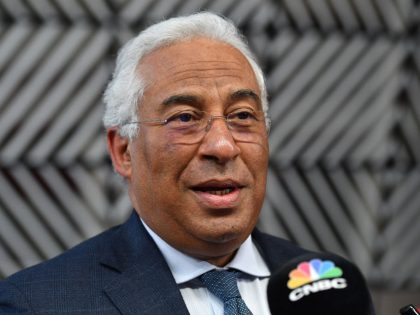
Riding a narrative of stability and economic growth, the center-left won elections in Portugal yesterday. But the country’s recovery is precarious. We need to push for a total break with austerity.
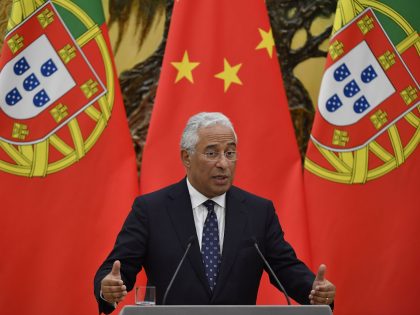
Portugal’s Socialist-led government looks like an exception to the decline of European social democracy. But its record in fighting austerity is less clear.
If we want to take on the European Union, we have to first understand its nature.
Despite the Right's victory, the Portuguese left had its best showing in years in Sunday's elections. Where do anti-austerity forces go from here?
The Left in Europe and beyond faces enormous challenges. What kind of political strategy do we need going forward?
The Greek left has a historic opportunity to marginalize fascists and address the needs of migrants.
German elites are willing to let the euro crash to guarantee their own political survival.
What should Syriza's economic strategy be going forward, given Greece's position in the eurozone?
How do Syriza's origins and Greece's political economy affect its capacity to govern?
Syriza needs mobilized support to defeat its creditors — and the far right.
Syriza has only been in power for a week, but debates are already raging inside and outside the party.
Many are excited by the prospect of a Syriza victory. But what is the party's program and how will it be carried out?