Greenland Is Not for Sale
The people of Greenland don’t want to be subjects of Denmark or the United States — they want economic independence and freedom from foreign control.

The people of Greenland don’t want to be subjects of Denmark or the United States — they want economic independence and freedom from foreign control.

Seventy-five years ago today, Japan adopted a constitution that ruled out ever using war as a tool of state policy. The country’s conservative leaders now want to ditch that commitment as they embrace the dangerous role of a militarized US client state.

The Biden administration's lofty rhetoric about "vaccine diplomacy" is a blatant lie. The reality is that the US government has actively upheld a system of vaccine apartheid that guarantees vaccine scarcity in the Global South and reinforces US empire.

Economist Branko Milanovic saw firsthand the soaring inequality of Russia’s 1990s transition to capitalism. He spoke to Jacobin about how Vladimir Putin’s war has plunged the country back into crisis — and placed a bomb under the globalized order.

Despite four decades of imperial interventions, the United States was defeated in Afghanistan. Tariq Ali explains the long history of meddling in Afghanistan — and why the US's defeat will set back the broader project of American military supremacy.

There’s lots of breathless chatter out there about how cryptocurrency will reshape the world. But the truth about crypto is simple: capitalists are using it to get rich and screw the rest of us.

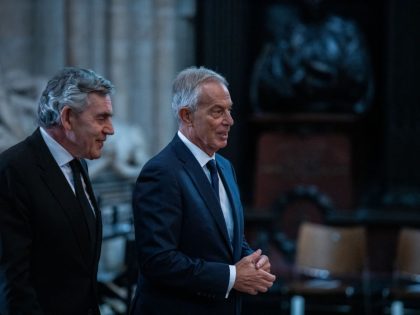
The COVID-19 pandemic has encouraged influential figures like Gordon Brown and Tony Blair to press for new structures of global governance. But the system they have in mind won’t be democratic. We need a radically democratic world government.

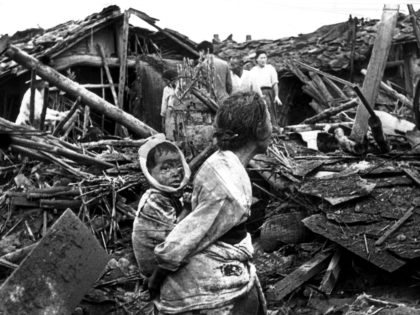
During the Korean War, the United States inflicted unimaginable horrors on the Korean people. Yet today Americans know almost nothing about their government's role in war crimes and atrocities.

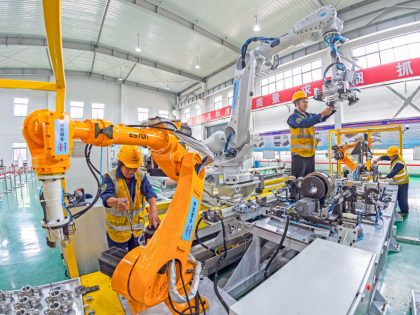
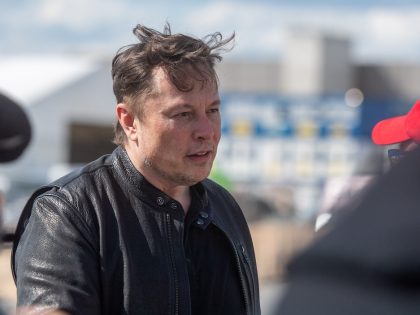
Tesla has announced plans for a nonunion factory in Berlin. Auto manufacturing going green was supposed to help workers, not hurt them.

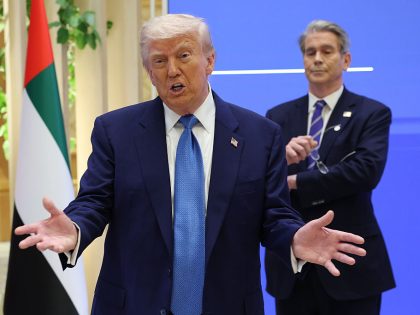
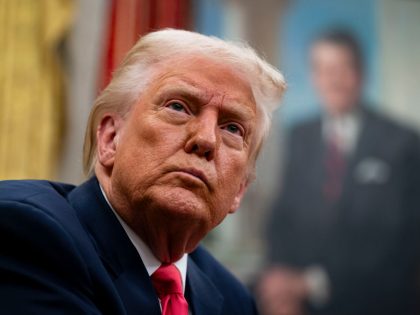
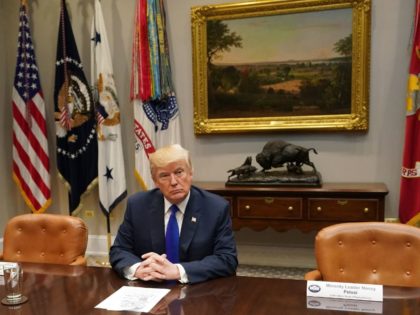
For decades, European leaders fostered a willing dependence on the United States that has made the continent acutely vulnerable to the superpower’s whims. Donald Trump has sensed this weakness and is using it to advance his own narrow interests.

Economists often take money for granted, ignoring the role it plays in constraining the distribution of resources. A new book by economists J. W. Mason and Arjun Jayadev sets out to overturn the dogmatic assumptions of their profession.

After 15 months of bloodshed, news has emerged of a cease-fire deal in Gaza. The US always had the power to restrain Israel but refused to use it.

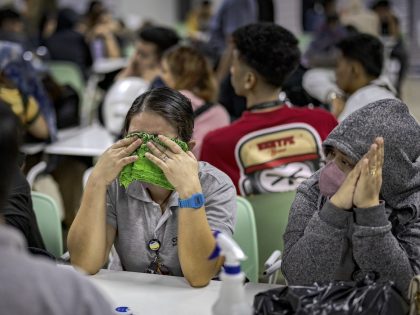
Centered in the lawless region of Southeast Asia known as the Golden Triangle, the scam industry is a new kind of capitalism built on corruption, organized crime, and slave labor — and it’s growing.

Donald Trump has abandoned the project of neoliberal globalization in a desperate bid to reverse America’s decline. It’s cut the ground from underneath Washington’s junior partners and left the European Union floundering.

The economist Alice Amsden’s work unmasked the dirty secret underlying capitalist development: it relied on states breaking all the rules of the free market. But her work also showed that industrialization required corporate discipline, not welfare.
What's next for Hong Kong's pro-democracy movement?

You can't understand the North Korean conflict without understanding the history of US imperialism.

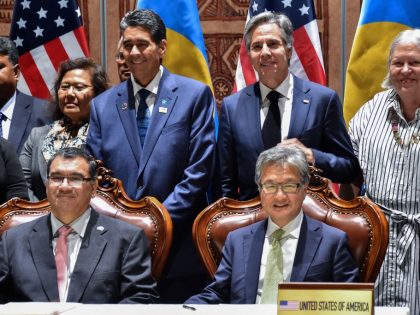
When Joseph Yun was the chief US negotiator in the Pacific, he also led talks that are likely to deliver a lucrative advantage to the consulting firm where he currently works and the powerful defense contractor it represents in the region.
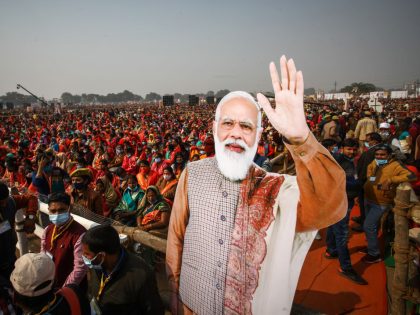
Indian prime minister Narendra Modi’s Bharatiya Janata Party, the electoral arm of a Hindu nationalist movement, represents the largest and most organized far-right force on the planet. To understand its rise, we must look to India’s 20th-century history.

Social theorists identify automation as both the main cause of unemployment and the future launchpad for a high-tech post-scarcity world. But, Aaron Benanav argues, the problem is the stagnation of global capitalism and its inability to generate enough jobs.