
We’re Being Worked to Death by Capital
Long working hours kill more than 700,000 people per year, even as millions are unable to find enough work to survive. The irrationality of capitalism has a human price.
Long working hours kill more than 700,000 people per year, even as millions are unable to find enough work to survive. The irrationality of capitalism has a human price.

If Castro is indeed the “Latino Obama,” it's because his early years in San Antonio replicated many of the ingredients of the former president's recipe for failure.

For several generations, India’s Dalits and other oppressed groups have fought for equal rights against upper-caste domination. The history of their courageous struggles can inspire resistance against Narendra Modi’s Hindutva repression today.

Compact’s Sohrab Ahmari is among a group of populists who see a home in a changing Republican Party. We asked him for his perspective on the November election and what comes next.
The United Federation of Teachers shouldn't stand in the way of a ban on suspensions for New York's youngest students.

The United Packinghouse Workers of America was a beacon of “civil rights unionism.” And in the aftermath of Emmett Till’s grotesque lynching in 1955, the union spearheaded a mass campaign on Till’s behalf in the North and South.
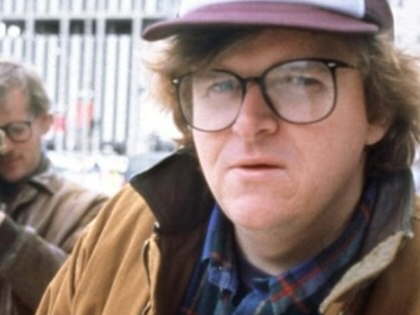
In 1986, Michael Moore didn’t want to run Paul Berman’s article on Nicaragua. Getting pushed out of Mother Jones turned out to be the best thing that ever happened to his career.

The exploitation of workers is central to the functioning of capitalism. The socialist argument is simple: we can live in a world without such exploitation.

On this day in 1976, a group of Asian immigrants in London began a strike that would define an era.

In the wake of strike activity in Britain not seen since the 1980s, the government is proposing draconian laws further restricting workers’ right to strike. RMT leader Mick Lynch says the laws are a threat not just to unions but to democracy in general.
A profit-hungry pharmaceutical industry and an indifferent political class are fueling the deadly opioid epidemic.

Two key questions confront labor: should unions focus on organizing workers with major strategic leverage in the economy? Or should they welcome any workers willing to fight, since that organizing can constitute a major catalyst for other workers?
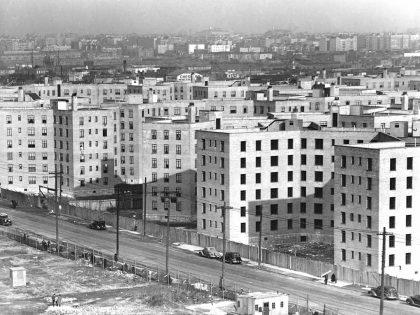
In order to put social housing back on the agenda in American politics, we first have to understand how public housing was destroyed — especially by Bill Clinton’s Hope VI program.
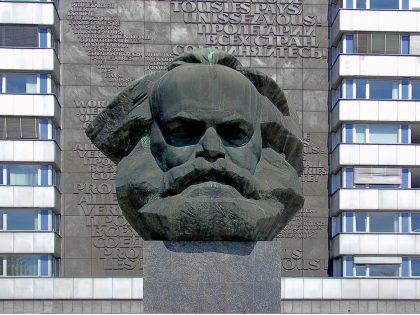
Karl Marx is often thought of as a purely economic thinker. But the famed socialist was a committed democrat — and his writings offer potential remedies for democratizing our undemocratic political system.
For forty years, liberals have accepted defeat and called it "incremental progress." Bernie Sanders offers a different way forward.

This spring, undergraduate student workers at Wesleyan University in Connecticut became the US's first known undergrad labor union to win voluntary recognition. With sustained organizing, student workers on campuses across the country can follow suit.
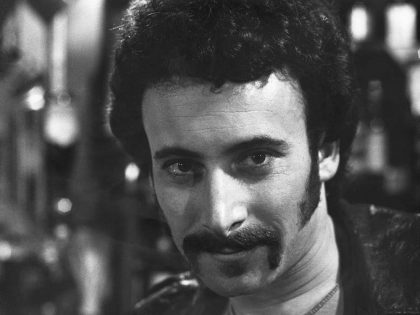
The 1980s BBC series The History Man was a venomous takedown of academic pseudo-radicals. How does it stand up today?

Joe Biden’s historic visit to the picket line yesterday would never have happened if the UAW simply cozied up to Biden. As the union showed, you don’t win by showing deference to Democratic elites — you use the leverage you have to extract concessions.

In Welfare for Markets, Anton Jäger and Daniel Zamora show that cash transfers emerged as an alternative to the welfare state favored by a left that had abandoned hope in socialism and a right hostile to democratic management of the economy.

What would we have to do to make sure our Election Day choices in 2036 aren’t as miserable as they are in 2016?