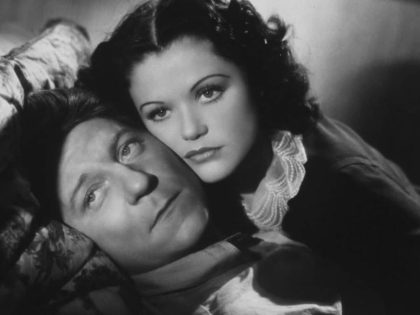
In Praise of French Poetic Realism
In the 1930s, the French realist filmmakers found a way to speak to and fight against the rising authoritarianism in their country and the world.
In the 1930s, the French realist filmmakers found a way to speak to and fight against the rising authoritarianism in their country and the world.
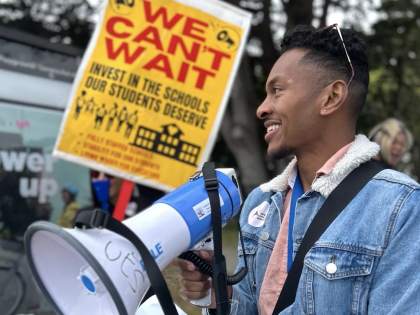
Over 6,000 public school educators in San Francisco went on strike last month for the first time in nearly 50 years. We spoke to three of them about what they won, including coverage of skyrocketing health care costs and easing special education workloads.
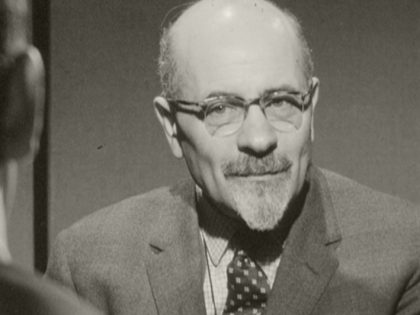
The Polish Communists were savagely persecuted by Stalin in the 1930s, before he raised their party to power after 1945. Despite attempts at reform, their regime could never transcend its origins as a Soviet satellite state.
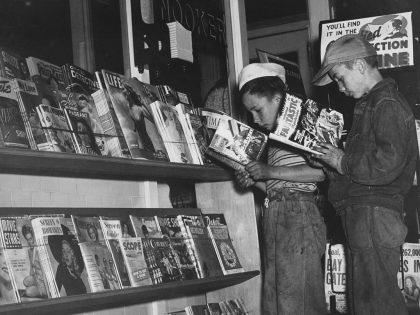
In the age of gentrification, a financial logic shapes cultural products just as much as the neighborhoods we live in. The rise of graphic novels is a case of aesthetic gentrification — the transformation of comic books into a glossier product marked by high prices and middle-class values.
The Democratic donor class will resist the very policies that could unite workers of all races. They can't subdue Trumpism.
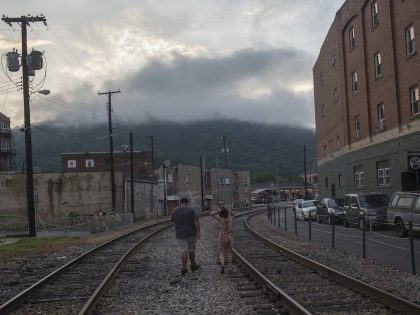
Wielding a pivotal Senate seat at a moment when the Biden administration is prepared to spend trillions on fixing the climate, West Virginia is now in a position to make huge demands of the Democratic Party. We can’t let a blend of woke neoliberalism and elite condescension get in the way.
Why Democrats were wrong to think that shifting demographics alone would hand them victory.
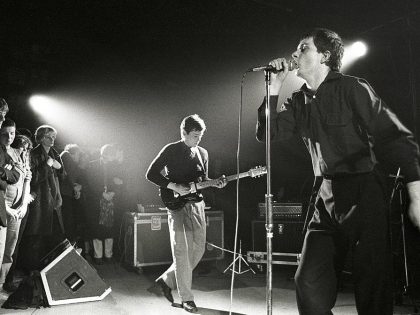
Manchester in the 1980s was home to bands like Joy Division and the Smiths and a world-famous rave scene. The music rose from the conditions of life in postindustrial Manchester — and, ironically, it paved the way for a new wave of capital investment.
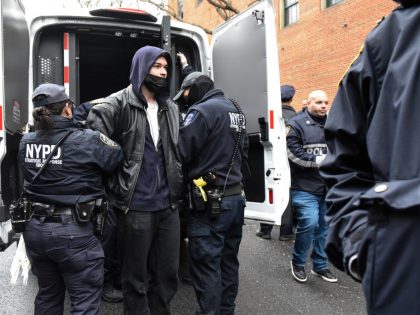
Capitalism creates social disorder and relies on police and prisons to manage it. Until liberals recognize this link between criminal justice and the economy, their reform programs will be ineffectual — and racist policing and mass incarceration will persist.

Harley-Davidson is one of most iconic “American” companies in America. What does work on its shop floor look like?
Today is a boss's holiday.
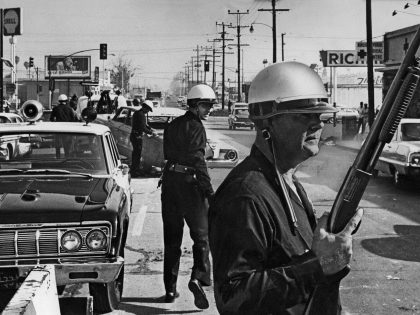
From the Black Panthers to the Communist Party, radical Los Angeles in the ’60s was a seething cauldron of unrest, united by the brutal, lawless repression of the LAPD. In a rollicking new book, Mike Davis and Jon Wiener tell the story of a decade of explosions.
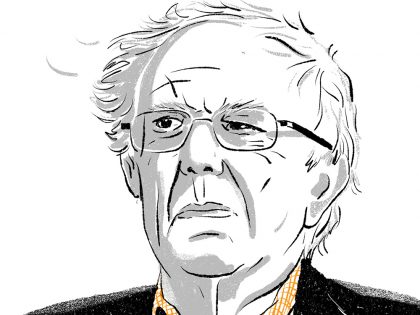
Four key figures in Bernie Sanders’s quest for the White House on what really happened.
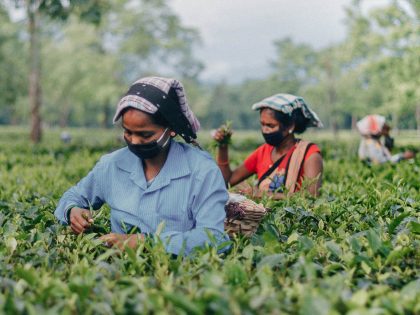
In the pandemic’s first year, poor countries’ debt rose to astonishing heights, plunging such countries into even worse austerity than before. These attacks are directed at workers in the Global South, but the fallout isn’t contained within national borders — the struggle against debt servitude belongs to workers everywhere.
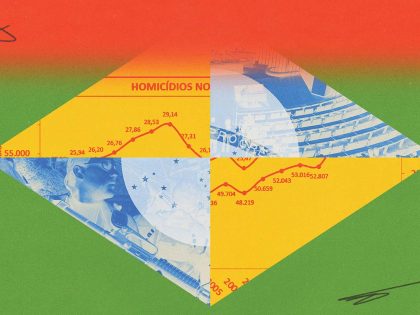
When Lula and the Workers’ Party took power in Brazil, they had a plan to take on crime and the power of the police. Their failure helped undermine their entire program.
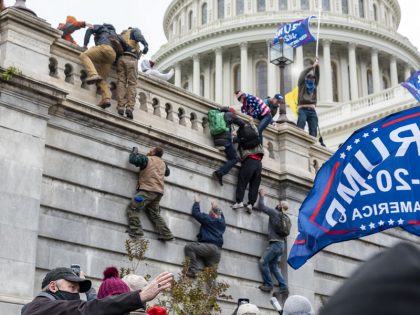
The January 6 Capitol riot was the product of a decades-long attempt to destroy democracy in America — one that Democrats have never made an effort to stop by creating a government that is serious about the public interest.
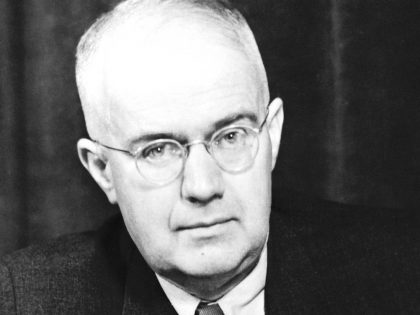
Polish economist Oskar Lange blended Marxist theory with mathematical brilliance to make a vital contribution to neoclassical economics. But his main concern was to demonstrate the inherent flaws of capitalism and the viability of a socialist alternative.
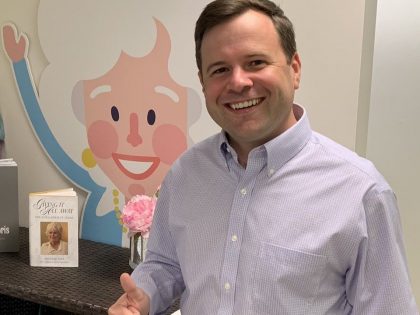
We have so many miseries in American society because rich people are hoarding all of our resources. We shouldn’t applaud them when they toss us a few dollars as philanthropy.
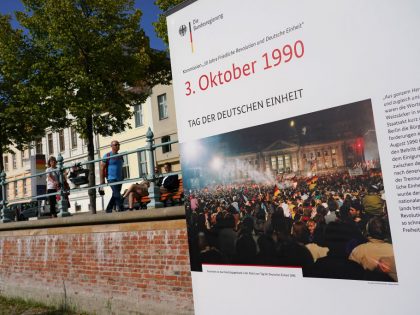
In the last years before the Berlin Wall's fall, most opposition movements in East Germany sought a reformed, more democratic socialism. But the effect of reunification on October 3, 1990 was a wave of neoliberal triumphalism in both East and West — undermining the principles of social solidarity and pushing the Left into the wilderness.
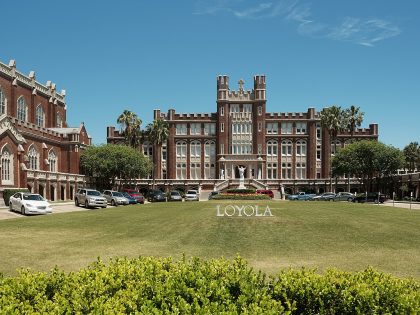
Catholic radical Louis J. Twomey’s labor institute at Loyola University New Orleans trained a generation of workers for class struggle. A new union drive among the university’s food service workers draws on that legacy of the best of Catholic trade unionism.