In Praise of French Poetic Realism
In the 1930s, the French realist filmmakers found a way to speak to and fight against the rising authoritarianism in their country and the world.
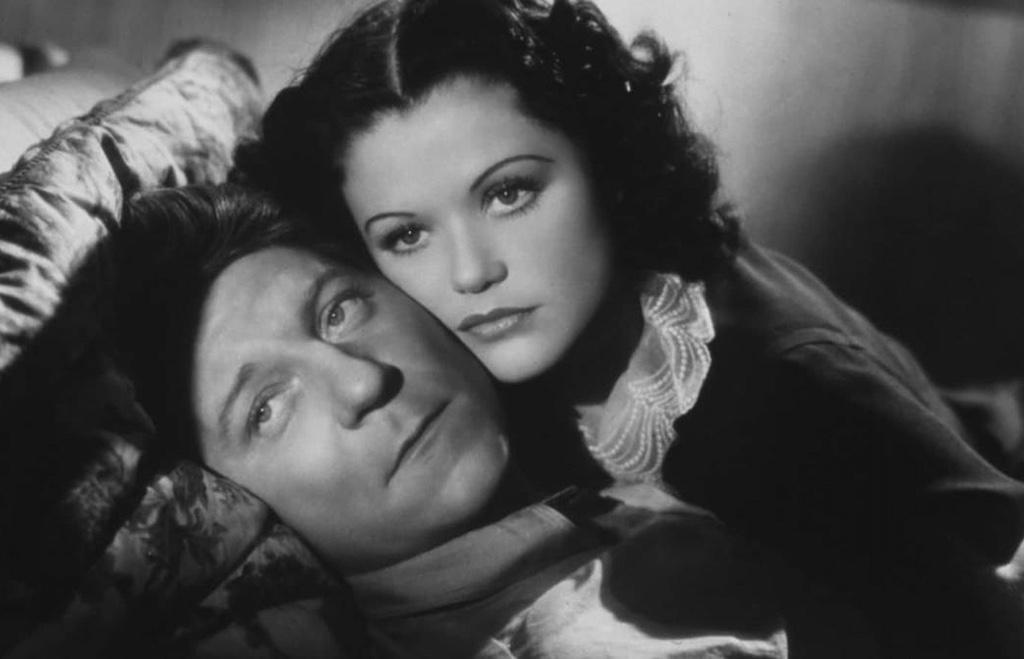
Still from La bête humaine. (Lux Compagnie Cinématographique de France)
There’s a wonderful new Criterion Channel series on French poetic realism, a short-lived but intense film movement of the 1930s that is extraordinarily timely right now. A bleak and brooding yet beautifully poignant film genre and a clear forerunner of film noir, poetic realism emerged at a moment of political crisis in France, during the crushing global Depression when surging left-wing power driven by the ascendance of the Popular Front was overtaken by the rise of fascism across Europe.
The French right hated poetic realism, with good reason. They recognized in the form all the stances and attitudes they despised, such as identifying with the working class and the suffering members of marginalized communities — sex workers, criminals, the jobless and homeless wandering destitute through the streets and gathering in cheap bars, grim tenement housing, seedy dancehalls, and rowdy cafés.
And then there was the plain fact that poetic realist filmmakers, mostly communists and socialists, were actively involved in the Popular Front.