The Shackles of Debt in the Global South Weigh Down Workers Everywhere
In the pandemic’s first year, poor countries’ debt rose to astonishing heights, plunging such countries into even worse austerity than before. These attacks are directed at workers in the Global South, but the fallout isn’t contained within national borders — the struggle against debt servitude belongs to workers everywhere.
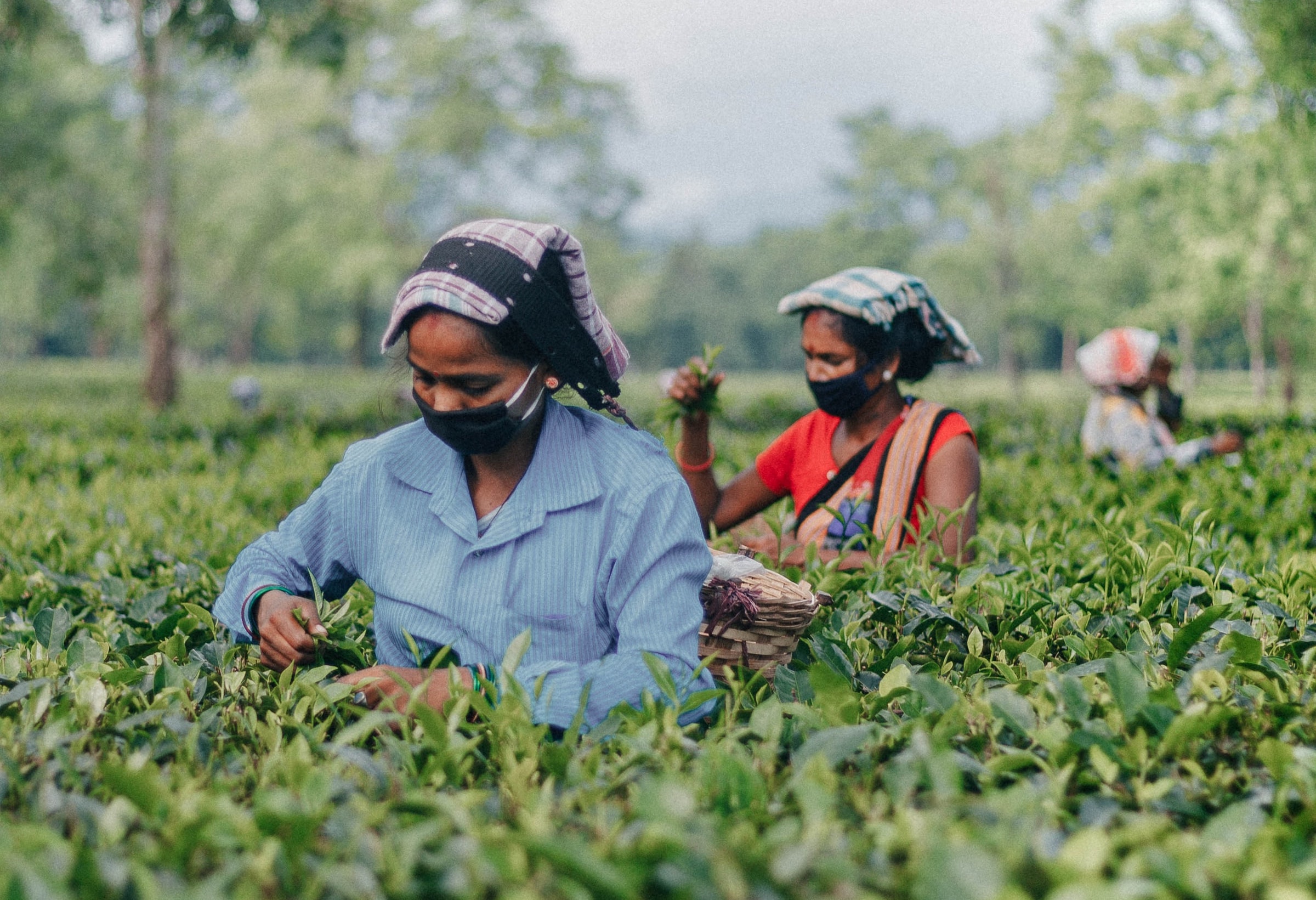
Compounding debt and forced austerity risk plunging the Global South into yet another “lost decade” of development. (Nilotpal Kalita / Unsplash)
As Global North nations emerge from a year of lockdown to reopening bars and brunch spots, countries across the Global South are facing not only the continued impacts of the virus itself, but a profound debt crisis that threatens the lives and livelihoods of millions for years to come.
When the pandemic hit early last year, economies across the world came grinding to a halt. While wealthier nations were, for the most part, able to spend their way through the crisis, those in the Global South were not so fortunate. Already under-resourced and overexploited, “developing nations” found themselves faced with falling revenue, fleeing capital, acute social needs, and a cartel of creditors none too eager to lose out on repayment.
Facing the risk of widespread default, creditors responded characteristically. The International Monetary Fund (IMF) provided limited, largely symbolic, debt cancelation to a select group of twenty-five countries. The G20 nations established a Debt Service Suspension Initiative that merely postpones, rather than cancels, payments, and is open only to low-income countries, excluding middle-income countries like Colombia, El Salvador, and the Philippines that often need it most.