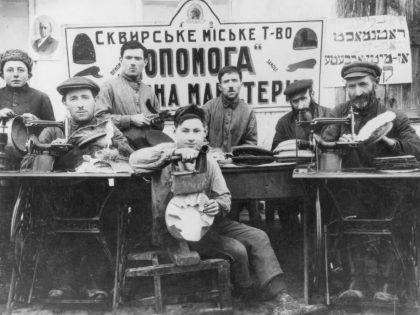
Before World War II, Zionism Was a Fringe Ideology
Prior to Israel’s founding, the majority of European Jews rejected the idea of an ethnically Jewish nation. Instead they fought antisemitism by building solidarity.
Prior to Israel’s founding, the majority of European Jews rejected the idea of an ethnically Jewish nation. Instead they fought antisemitism by building solidarity.

Vivek Chibber on why Trump II signals the end of an era — but not capital’s unchecked rule over our society.
Without transparency in politics and in the institutions that govern our daily lives, we can’t build socialism.
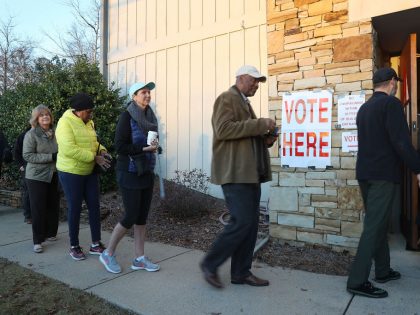
Republicans captured the South through racist “dog-whistle” appeals and by exploiting the deindustrialization that ravaged the region after NAFTA. But we can't write off the South as hopelessly reactionary — there’s a base for progressive politics that speaks to workers of all races.
The domestic workers who asserted their rights in the 1970s provide a model for organizing workers today.
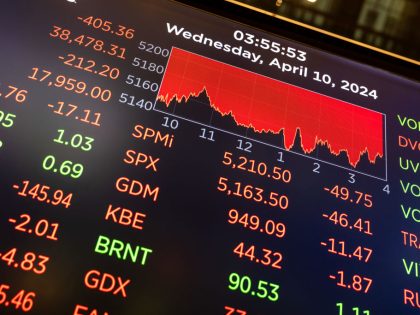
Globalization is a project of class war whose destructive effects have driven many US workers into the Trumpian right. The Left needs a real response to the problems raised by global capital mobility — and that should start with capital controls.
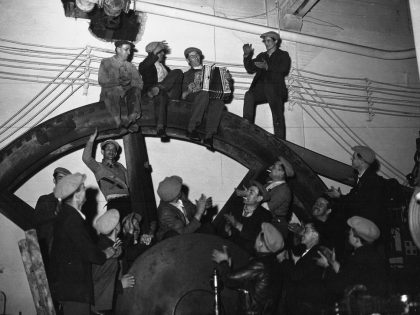
In interwar Europe, the rise of Hitler and Mussolini forced leftists into pragmatic alliances. The popular fronts they built were a defense against fascism, but also pointed to how to win broad-based social reform.
Today's repression of social movements in Brazil has roots in the Workers Party's time in power.
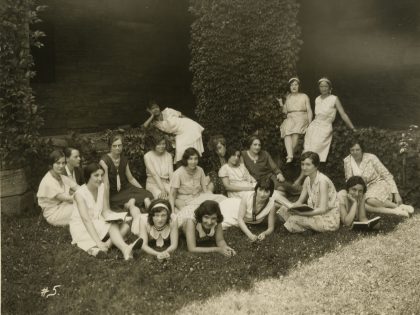
In the 1920s and ’30s, a summer school for industrial working women built an economics curriculum around the perspective of labor rather than capital. It offers a visionary example of worker education that emphasizes class struggle and worker empowerment.
Merle Haggard provided the soundtrack of American reaction for five decades.
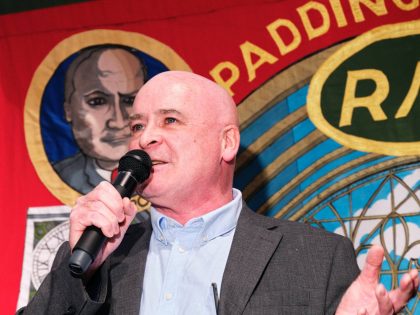
The British rail union leader Mick Lynch has recently gone viral for his media appearances defending his union's strike. In an interview, Lynch discusses that strike, the media firestorm he's helped spark, and how workers can defeat Britain's superrich.
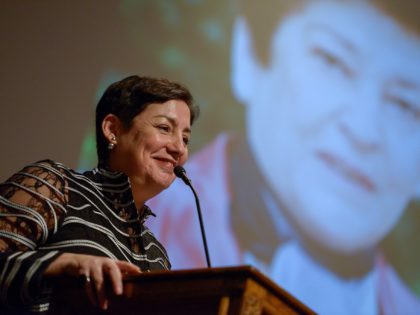
Recent elections in Chile offer hope that the country’s neoliberal consensus will soon shatter.

In March, an environmentalist arson attack near a German Tesla factory halted production — and prompted many workers to defend Tesla. It was further proof that actions bypassing organized labor are unlikely to appeal to those whose livelihoods are at stake.

In the 1930s and ’40s, meatpacking employers used racial hiring policies as “strike insurance,” strategically fostering racism to discourage unionization. The Packinghouse Workers Organizing Committee organized across racial lines and proved them wrong.

Thinking about racism as some kind of existential “original sin” that will always be with us no matter what we do, no matter what efforts we undertake to fight it, is a political dead end. Through organizing, we have struck blows against racism in the past — we can do so again today.

Over the course of 1917, the Petrograd Soviet transformed from a body willing to negotiate with capital to one ready for revolution.

In the tumultuous 1970s, women and people of color streamed into unions, strikes swept the country — and employers launched a fierce counter-attack.

The Congress of Industrial Organizations is often understood to the be the innovative, solidarity-based alternative to the American Federation Labor, its immediate predecessor. But the CIO had limits too — and the AFL had more to offer than it gets credit for.

French interior minister Gérald Darmanin has ordered that families of “delinquents” be evicted from social housing. Such collective punishment tramples on all manner of legal principles — but fits with the government’s repressive crackdown in poor suburbs.