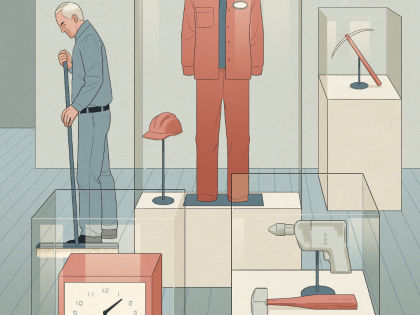
The Many Farewells to the Working Class
For decades, the parties of labor have been slowly replaced by the parties of the educated. A Left that doesn’t acknowledge this as a problem has already been defeated.
For decades, the parties of labor have been slowly replaced by the parties of the educated. A Left that doesn’t acknowledge this as a problem has already been defeated.

New research confirms that policy messages on climate favored by college-educated liberals often fall flat with working-class Americans. The good news? Workers are favorable to pro-climate policies that speak directly to their everyday material concerns.

Lula rose from humble origins to become a leftist icon, exuding working-class authenticity and successfully bringing working people into the country’s political life. And his story isn’t over: he could soon return to power.
Matt Karp on how a political movement beating the drum for working-class populism can restore fraying ties between blue-collar workers and the Left.

A strategic focus on uniting the working class doesn’t mean marginalizing the struggle against racism and sexism.
If we’re going to change the United States, socialists will have to win the working class. And we urgently need a strategy and an organization to do just that.
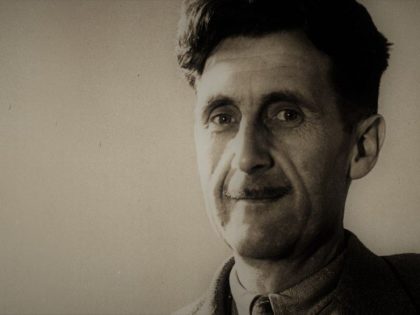
Though his pessimism about the working class ebbed and flowed throughout his life, George Orwell ultimately saw workers as the only force that could build an egalitarian, socialist society.
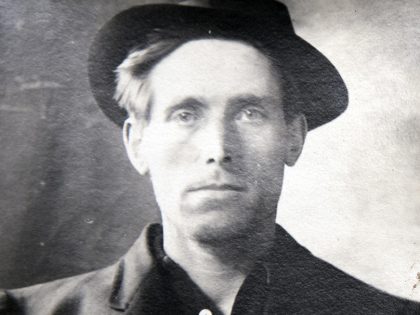
One hundred seven years ago today, the labor troubadour Joe Hill was executed by a Utah firing squad for a crime he almost certainly didn’t commit. His real crime: singing and agitating on behalf of the working class.
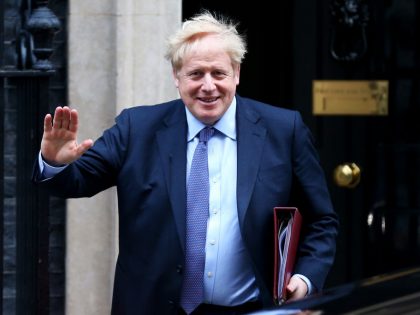
Britain’s Conservative Party used Brexit to cut a swathe through Labour’s electoral heartlands. But don’t be fooled by their last-minute populist makeover: the Tories are the same as ever — they’re not the party of the working class.
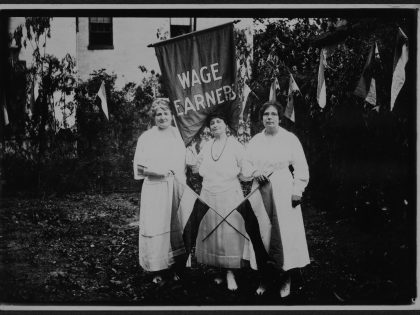
On the one-hundredth anniversary of American women’s right to vote, let’s remember the working-class socialist suffragists who struggled for the franchise. And let’s devote the next hundred years to realizing their vision.

While public-health guidance tells citizens to work from home, for millions of low-wage workers, this has never been a realistic option. As Europe’s governments ease the lockdown, it’s working-class people who are on the firing line of a second wave of infections.
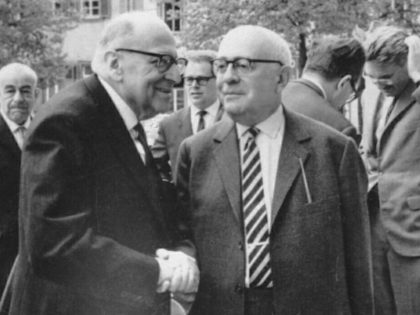
Frankfurt School cofounder Max Horkheimer is today credited as an insightful analyst of authoritarian culture. But Horkheimer’s ever-pessimistic outlook reflected the political defeats of his time — and an oft one-sided view of the loss of working-class agency.
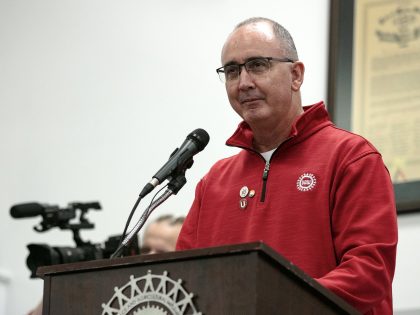
United Auto Workers president Shawn Fain explains his union’s position on tariffs and argues that we need a political movement that puts working-class people first to address the current political crisis in the US.
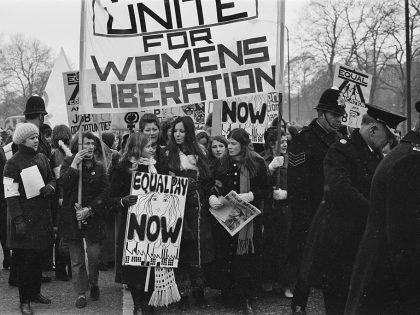
In an interview, longtime socialist-feminist historian Sheila Rowbotham reflects on her decades on the Left, grappling with the reality of being a socialist from the middle class, and E. P. and Dorothy Thompson and the classic book The Making of the English Working Class.

The working class in capitalism is not a coherent class but a fragmented one — an amalgam of individuals trying to survive. It’ll take politics to change that.
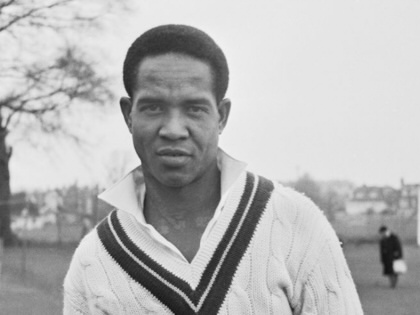
Garfield Sobers, widely regarded as one of the greatest cricket players to ever live, died last week at age 89. His career embodied a golden age of the sport and the social and political ascent of Barbados’s working class.
Millennials are better educated than ever. They also overwhelmingly identify as working class.
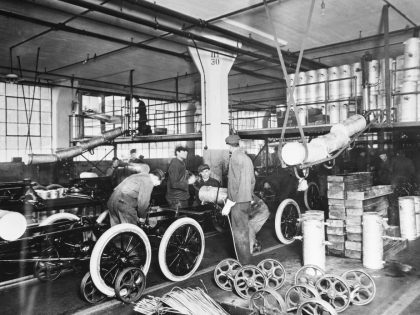
One of the great labor scholars of the 20th century, David Montgomery was determined to place workers at the center of US history. For Montgomery, rigorous historical analysis couldn’t be divorced from engagement with the working class.
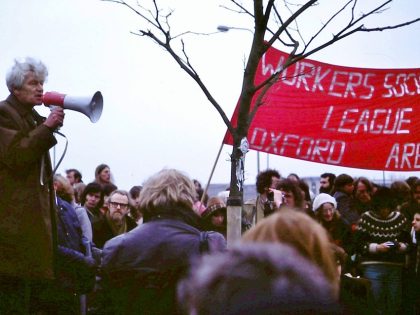
This month marks 100 years since the birth of Marxist historian E. P. Thompson. His work offers vital insights into the growth of class consciousness — but also helps us see how parts of the 20th-century left lost their structural focus on class.
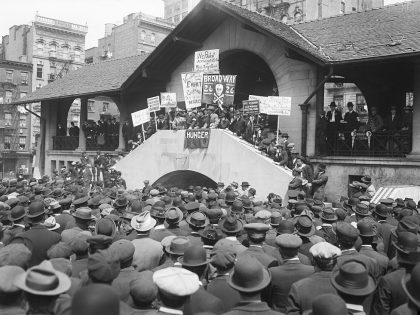
For the first century of its existence, the organized left mobilized around the “labor question”: who determines the what and how of production. For years, though, the Left has abandoned this question for a concern with inequality — at its own peril.