Denmark’s Socialist Left Needs to Reverse the Decline in Working-Class Mobilization
Recent decades have seen a historic shift in Danish politics, with mass-membership parties replaced by a professionalized media-political sphere. To drive real social change, the socialist left needs to go beyond creating a progressive niche — and rebuild the mass organizations that once made the working class a mighty political force.
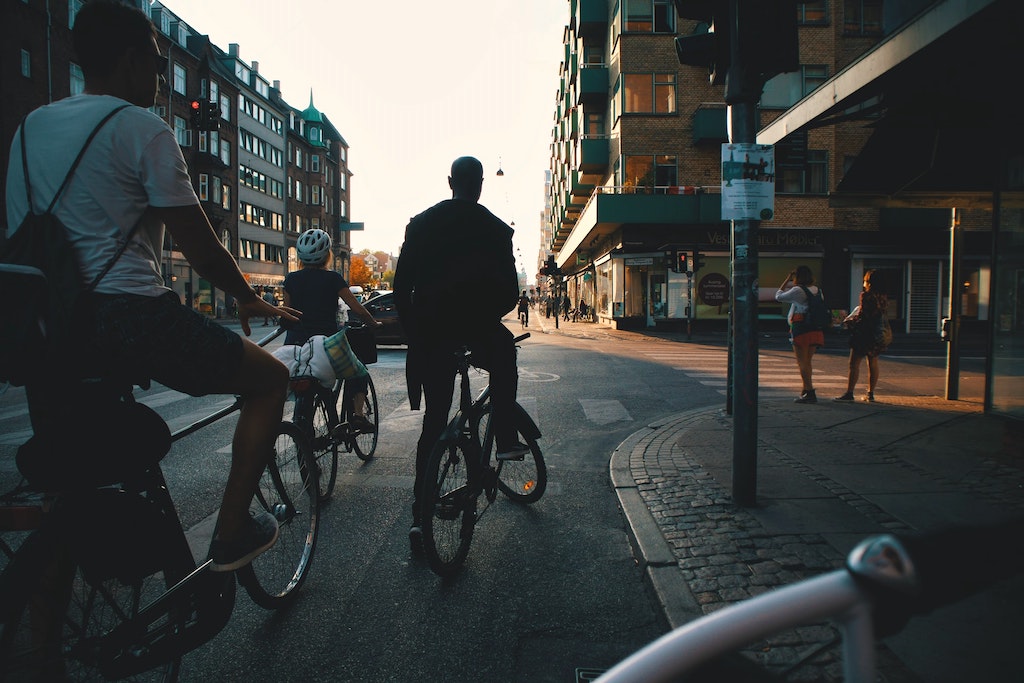
The main voter base of the Red-Green Alliance party is heavily concentrated in the largest cities, with as much as 50 percent of its vote falling within the area surrounding Copenhagen. (Unsplash)
In Denmark, socialist parties to the left of social democracy are stronger than ever. The Red-Green Alliance and the Socialist People’s Party together took a historically high 14.6 percent in 2019’s general election and are now polling above even that. This is especially remarkable given that the Social Democratic Party today commands over 30 percent support, regaining some of its historic strength.
Its new leadership’s move away from former prime minister Helle Thorning-Schmidt’s neoliberal policies has paid off: for the first time in decades, a majority coalition between the Social Democrats and the socialist left could be possible after the next election.
Yet despite these encouraging facts, it would be ill-advised for the socialist left to become complacent. Indeed, with little chance of attracting protest voters from the currently popular Social Democrats, the socialist left’s room for maneuver has decreased significantly. The two more leftist parties have been highly effective in mobilizing what has become the “traditional” left-wing vote in recent decades: students, well-educated residents of large cities, and a significant share of public employees. These middle layers can be mobilized on left-wing welfare and climate agendas — and comprise these parties’ main social base.