Thinking Past Fidel
Though often overlooked, working-class movements played a substantial role shaping the Cuban Revolution.
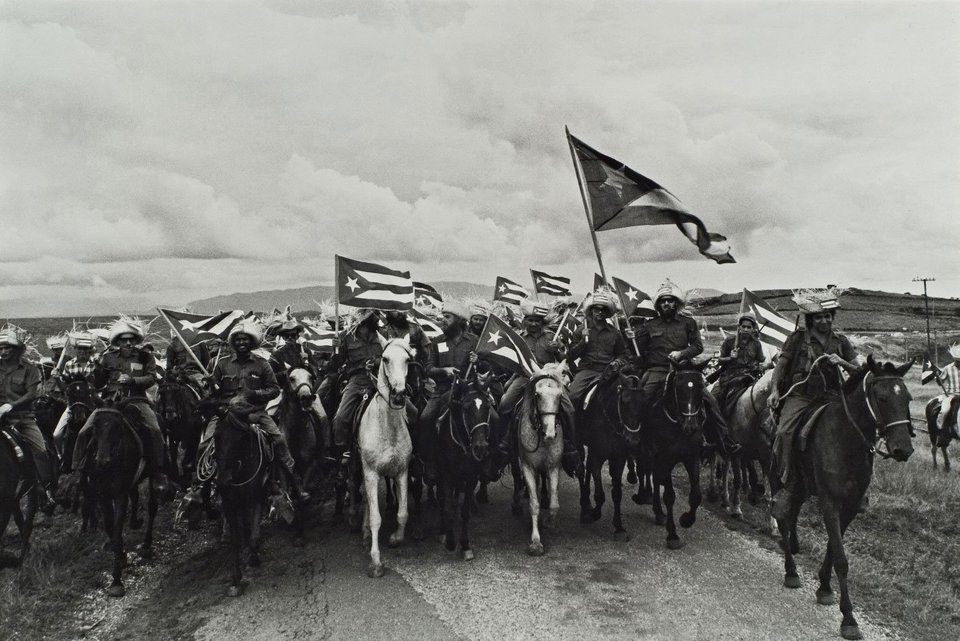
Cuban revolutionaries shortly after victory in 1959. Library of Congress
In the aftermath of Fidel Castro’s death, and with the blustery threats of the incoming Trump administration, it’s tempting to speculate about the future of Cuba. Yet this may also be an important time to rethink the origins of the revolution, so often seen as the handiwork of one man.
While Fidel Castro’s extraordinary influence and power can never be ignored, we still know far too little about how or why many thousands of ordinary Cubans participated in making the revolution. This is particularly true of the Cuban labor movement, which many observers have described as apathetic, passive, and demoralized by corrupt union bosses, and thus not particularly active in the revolutionary movement.
Steve Cushion’s new book, A Hidden History of the Cuban Revolution: How the Working Class Shaped the Guerrillas’ Victory, is a useful corrective to those assumptions and provides an important shift of historical perspective as Cuba moves beyond its historic leadership. Cushion argues persuasively that the island’s working class made a vital contribution to the revolutionary movement.