No, We Don’t Need These Forever Wars
China doesn’t have an empire. The United States doesn’t need to saber-rattle. And we really don’t need to fight these forever wars.
China doesn’t have an empire. The United States doesn’t need to saber-rattle. And we really don’t need to fight these forever wars.
Amid rising tensions in the Southeast Asian Sea, both the US and China are courting the Philippines. Most Filipinos would prefer a nonaligned foreign policy — but Manila’s elites keep lining up with the US, further threatening regional peace and stability.
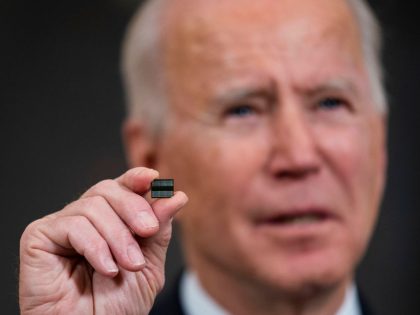
Pundits have lauded the Biden administration for replacing the free-market consensus with supply-side liberalism. But it is geopolitical tensions with China and labor’s weakness that have made elites feel comfortable with a milquetoast industrial policy.
Silicon Valley is increasingly embracing the narrative that the US is in an existential battle for technological dominance with China. The story is a convenient shield against efforts to rein in the tech industry’s power.

Vasily Eroshenko was a blind Ukrainian poet and writer of children’s stories. He traveled around the world teaching Esperanto, railing against imperialism, and witnessing revolutions in Russia and China.
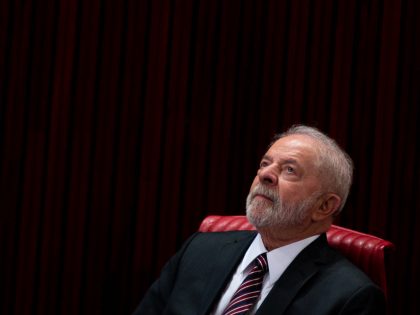
Brazil’s president-elect, Lula da Silva, appears eager to challenge Western dominance. But instead of siding with China against the US in a new cold war, he’s likely to pursue a sovereign third path in the vein of the 20th century’s Non-Aligned Movement.
Factory relocations and land privatizations have put Chinese migrant workers on the defensive.
Two decades of unprecedented infrastructure investments transformed China. Then the country hit a wall of debt.
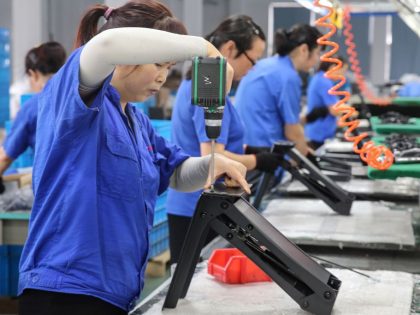
Donald Trump’s trade war with China was never about helping American workers. The US labor movement needs to reject trade tariffs and stand up for international solidarity among workers everywhere.
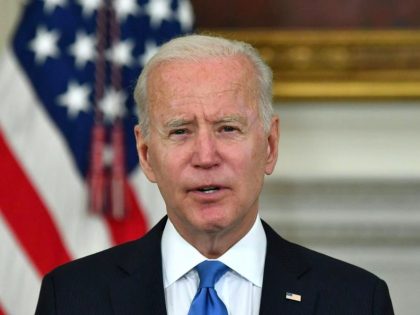
Historian Andrew Bacevich has made his name picking apart the bipartisan forever wars from an idiosyncratic, conservative position. We spoke with him about Joe Biden’s foreign policy, whether American primacy is coming to an end, and the folly of a new Cold War with China.
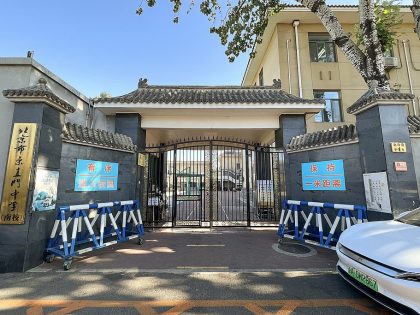
The exploitative relationship between city and countryside pervades Chinese life. Nowhere is inequality in access to public goods clearer than in the country’s urban education system.
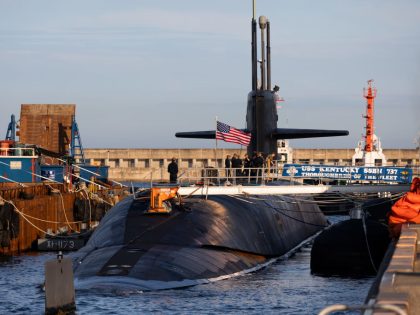
North Korea is taking an increasingly hostile posture toward the US. It’s the predictable result of the United States’ aggressive maneuvering in the region in its great power rivalry with China.
An Asian challenger to the International Monetary Fund has garnered support from China. But without a radical departure from the existing neoliberal model, more of the same international development financing isn’t the answer.
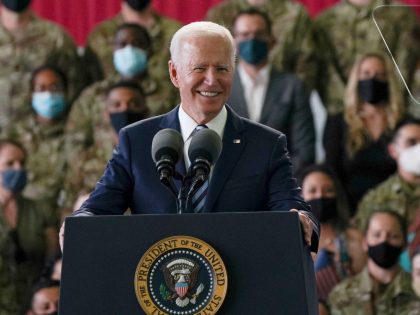
Joe Biden signed a record-breaking defense budget even as his domestic agenda is languishing. We’re getting all of the Pentagon spending and anti-China saber-rattling — and none of the supposedly transformative social programs.
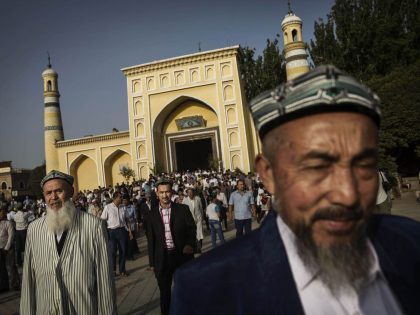
After 9/11, Western governments launched a domestic "war on terror" to surveil and police Muslims. Now, China is using the same framework to justify reeducation camps and mass repression.
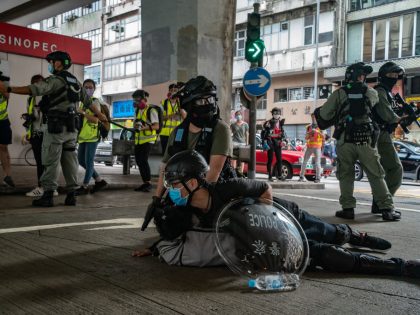
The new national security laws that Beijing has imposed on Hong Kong criminalize dissent — and they could make it harder for workers in mainland China to organize, too.
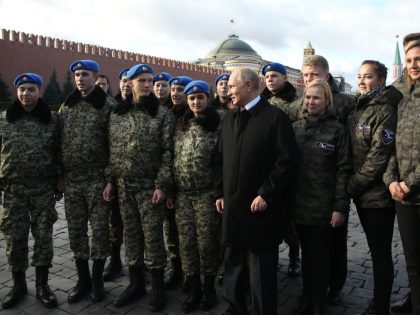
In an interview with Jacobin, Vivek Chibber discusses why the US desire for global dominance was responsible for the Cold War — and why the United States is inflaming new rivalries with Russia and China today.
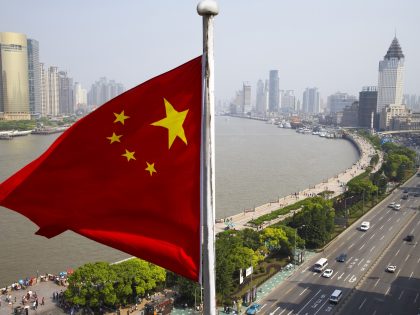
How a book published twenty years ago predicted Trump’s trade war with China.
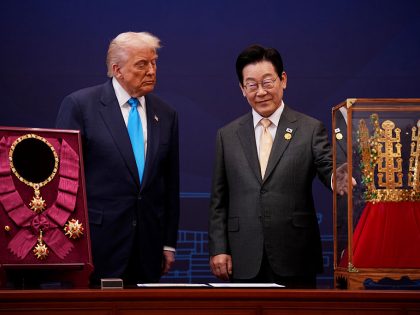
Donald Trump has approved a deal with South Korea to equip its navy with nuclear-powered submarines. Combined with Trump’s aggressive posture toward China, the move will further exacerbate tensions in a volatile region.
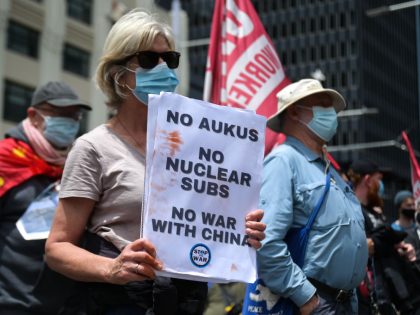
Workers in an industrial trading port in Australia are now at the forefront of the fight against war with China, demanding that jobs and environmental protections take precedence over militarism.