
Trumponomics
What kind of economic policy could we expect from a second Trump term?
What kind of economic policy could we expect from a second Trump term?

While the mass adoption of AI has transformed digital life seemingly overnight, regulators have fallen asleep on the job in curtailing AI data centers’ drain on energy and water resources.
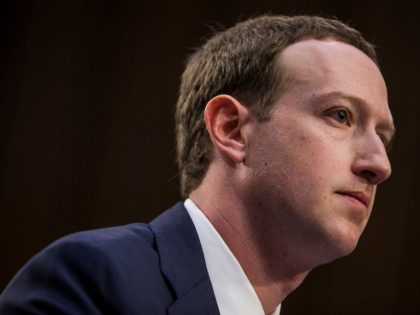
Facebook is joining a long tradition of companies minting their own currency to cement their monopoly over the infrastructure of social and economic life. Now is the time to stop tech titans like Mark Zuckerberg in their tracks — before they amass even more power.
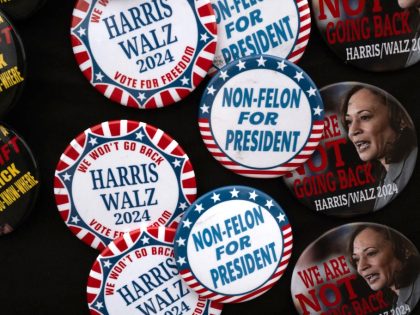
Both political parties in the US receive exorbitant amounts of donations from corporations and the very rich. A close look at the money trail shows which sections of capital favor Republicans and Democrats, respectively.

Web3 is touted as the next generation of the internet, promising to break the grip of giants like Google and Facebook. But far from empowering ordinary users, its token-based model threatens to commodify our online lives even further.
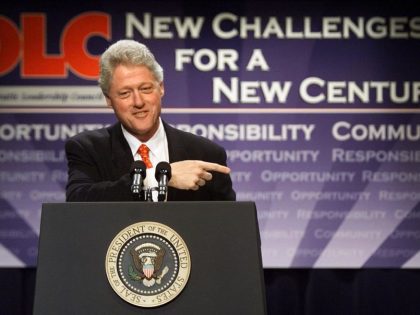
In the ’80s and ’90s, the Democrats took a jackhammer to education, housing, and social welfare. This isn’t the story of a weak party unable to defend its earlier gains, but a transformed party demolishing them in service of a new neoliberal ideology.

Elon Musk isn’t the only Silicon Valley somebody to leave the Dems in the dust.
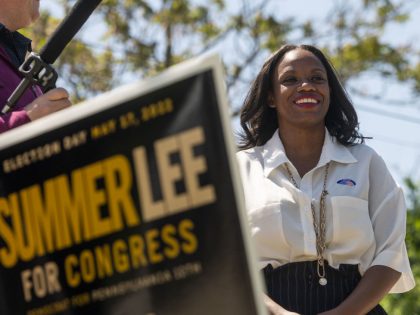
Despite setbacks, from Pennsylvania to Kentucky, socialist candidates eked out victories in this week’s primaries. Centrist challengers, backed by super PAC and corporate money, massively underperformed. Democratic socialists aren't going away anytime soon.

Despite massive investment and grand promises, AI companies are struggling to deliver returns. The bubble may be deflating, but like the dot-com crash, the aftermath could consolidate power in the hands of tech giants.
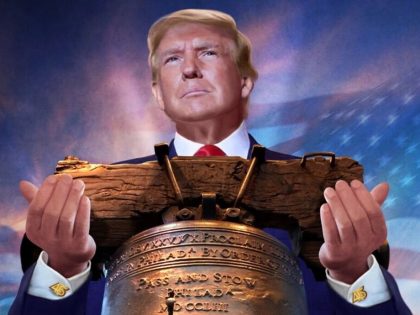
I bet you thought you were done hearing about non-fungible tokens. Well, Trump is bringing them back. The former president has never met a scam he didn’t love, and what’s a better scam than NFTs?
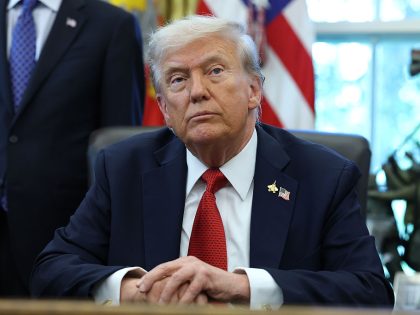
The Trump administration’s cartoonish graft presents a unique opportunity for a populist anti-corruption platform. But for the Democrats to pull it off, they’d have to repudiate corruption within their own party first.

A crop of progressive-minded veteran congressional candidates say they are aiming to break from the mold of military service candidates — hawkish, corporate-friendly, and weak on labor questions — favored by the Democratic Party establishment.

The growing popularity of the “Bowie” bond — a security backed by royalties — may sound strange, but it’s nothing new. In treating songs like annuities, capitalists prove once again that nothing is too sacred, or silly, to be commodified.
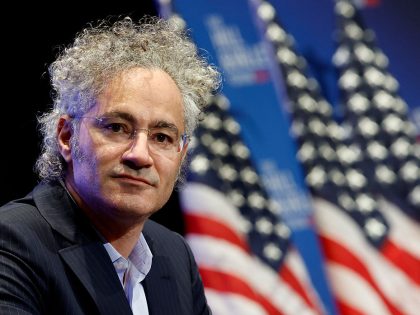
The Big Data firm Palantir spent years developing lethal military tech. Now it’s leading a transformation in Silicon Valley, with tech giants abandoning their progressive posturing to join the battle for American military supremacy.

The crash of 2008 was supposed to augur the end of ultraspeculative financial capitalism. But financial actors have actually gone from strength to strength since then, and fictitious capital is a bigger menace to global economic stability than ever.

From brands commissioning immersive installations at prestigious art fairs to hedge funds transforming artworks into stock-like financial instruments, the line between art and capital is blurrier than ever.
We need left-wing media outlets to build socialism. And the late German communist Willi Munzenberg shows us how it can be done.
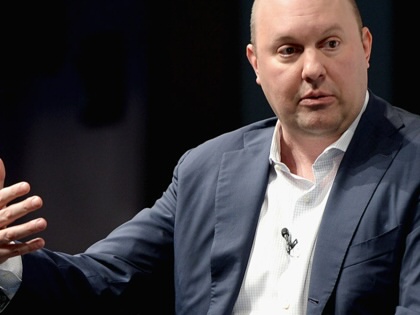
Spooked by anti-billionaire talk from the Democratic Party base, ultrawealthy donors are backing Republicans this cycle. That confronts the Democrats with a choice they’ve spent years avoiding: chase big money or build mass politics.

The writer Yukio Mishima, who took his own life fifty years ago today, remains one of modern Japan’s most important cultural figures. Mishima’s eccentric and contradictory political stances have also gained him a devoted following on the international far right.
Corporate lobbying shop Ballard Partners previously employed Donald Trump’s chief of staff as well as his attorney general. The firm’s pull in Trumpworld has made it the highest-earning lobbying shop in the US, raking in more than $20 million last quarter.