Your Favorite Songs Are Wall Street’s Latest Investment
The growing popularity of the “Bowie” bond — a security backed by royalties — may sound strange, but it’s nothing new. In treating songs like annuities, capitalists prove once again that nothing is too sacred, or silly, to be commodified.
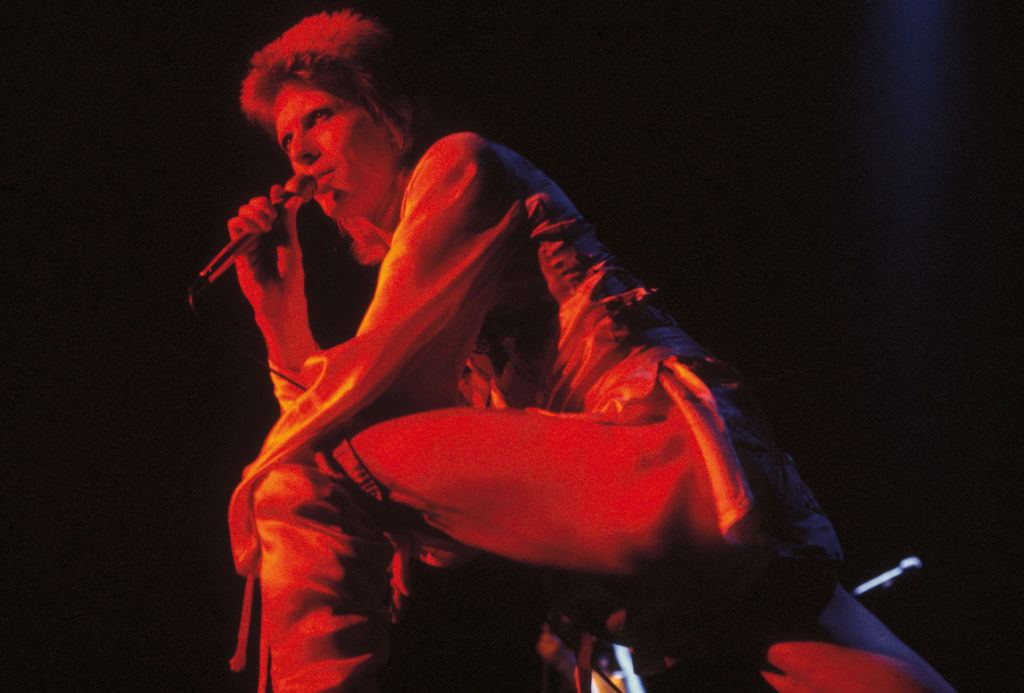
Ziggy Stardust once lit up the underground; now, his catalog is collateral. Bowie bonds remind us how easily finance can roll over art, rebellion, and everything in between. (Debi Doss / Hulton Archive / Getty Images)
The bond market is crooning along to a familiar tune of financial engineering. Last week, the Financial Times reported that securitized music catalogues were going “mainstream,” as large investors including Blackstone and the state of Michigan’s pension fund seek new avenues for returns. The bonds aren’t exactly new-fangled. They’ve existed in some form since the 1990s. But they’re becoming normalized, now treated as a mainstream option by major investment firms and funds. And in a thoroughly memeified, chasing-the-latest-thing culture, it’s a safe bet that the model will get plenty of uptake.
David Bowie launched what became the eponymous “Bowie Bond” in 1997 along with his financial manager Bill Zysblat, celebrated by a credulous press as a market “innovation.” The bonds were meant to extract investment returns from the singer’s back catalogue by way of securitizing future royalties at a healthy rate of 7.9 percent annually.
The idea of packaging up assets and selling them as securities is, to say the least, one that we’re all too familiar with. For most, especially those who lived through the global financial crisis, housing debt stands out as the prototypical bundle. But as today’s music-rights salesmen are demonstrating, just about anything with a revenue stream can be wrapped up, sliced, and sold.