Hillary Clinton’s Empowerment
Hillary Clinton isn't a champion of women's rights. She's the embodiment of corporate feminism.

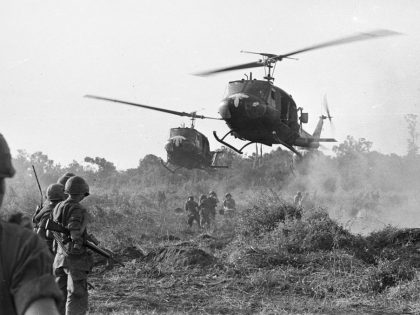
Apologists for US empire like Max Boot insist that American victory was possible in the Vietnam War. It wasn’t. But as long as the war machine needs justification for new interventions — today, in countries like Venezuela and Iran — writers like Boot will have an audience for their imperialist fantasies.

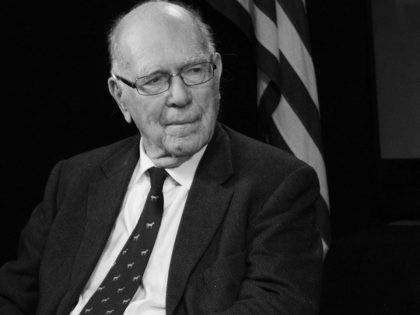
American politics produces no small number of eccentrics. Lyndon LaRouche, who died yesterday, towered above them all.
Jamaican prime minister Michael Manley died twenty years ago. What can we learn from his democratic socialism?
Five ways Hillary Clinton used the State Department to maintain and expand US power across the globe.

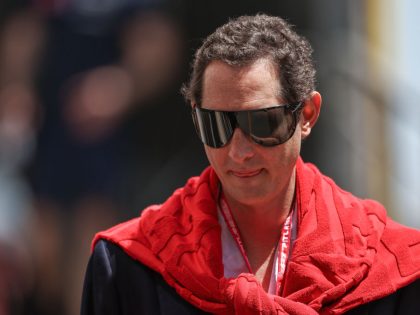
As autoworkers are worked to the bone and face factory closures, dynastic billionaire and Stellantis chairman John Elkann is hanging out on his yacht and attending fancy art galas. No wonder the UAW is on strike.
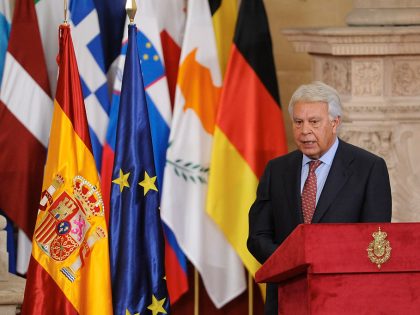
Four decades since the passing of Spain's democratic Constitution, the "regime of '78" is sharply criticized by the Left and the Catalan independence movements. Yet former prime minister Felipe González still defends it.

For more than three centuries, something has been going horribly wrong at the top of our society, and we’re all suffering for it.

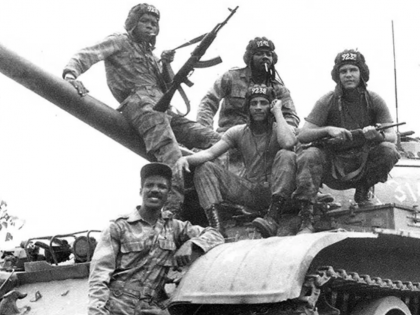
This year marks the 30th anniversary of the battle of Cuito Cuanavale, when Cubans joined Angolans to defeat the South African apartheid regime.

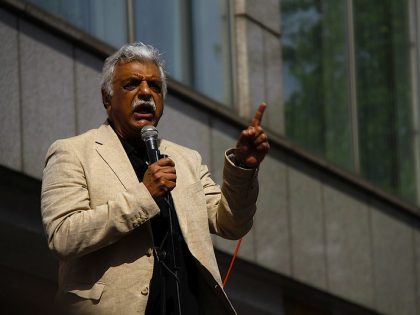
Despite four decades of imperial interventions, the United States was defeated in Afghanistan. Tariq Ali explains the long history of meddling in Afghanistan — and why the US's defeat will set back the broader project of American military supremacy.

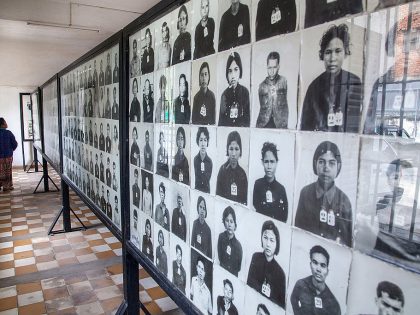
John Pilger, who died on December 30, had an extraordinary career as a reporter. His journalism informed countless people about the catastrophic impact of US foreign policy during and after the Cold War, from Vietnam and Cambodia to Nicaragua and East Timor.

The Left in Bangladesh has struggled for generations against Islamism and authoritarianism.

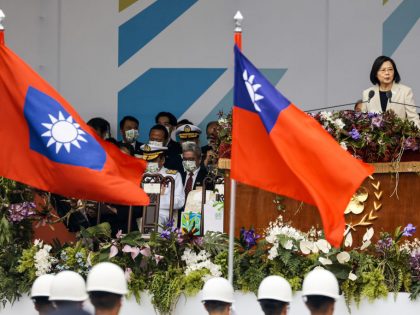
During the Cold War, US officials saw Taiwan as an “unsinkable aircraft carrier” and supported Chiang Kai-Shek’s dictatorship. Modern-day Taiwan has developed a democratic culture that shouldn’t be subordinated to confrontation between Washington and Beijing.

After Indonesian dictator Suharto invaded Timor-Leste in 1975, Australian communists set up an illegal radio station, broadcasting reports from the resistance to the world. Their work exposed atrocities — and Australia’s role in hiding them.
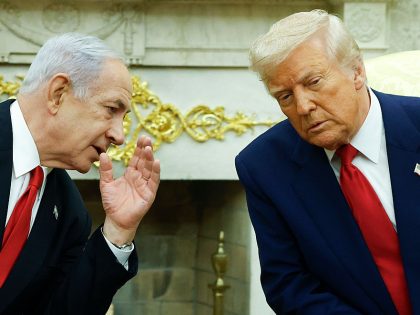
The US supports Israel because it furthers American interests in the Middle East — not just because of pressure from the Israel Lobby.

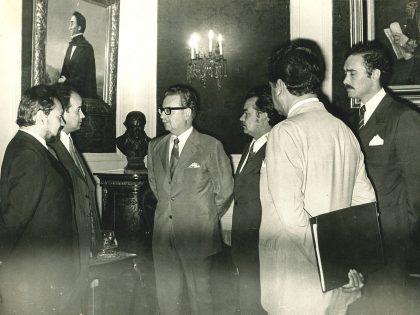
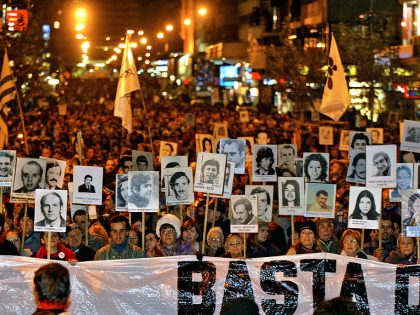
This month, Italian courts jailed fourteen men for their roles in Operation Condor, the US-backed Latin American terror campaign. But many more torturers are living out a peaceful retirement — denying justice to the leftists they brutalized and murdered.

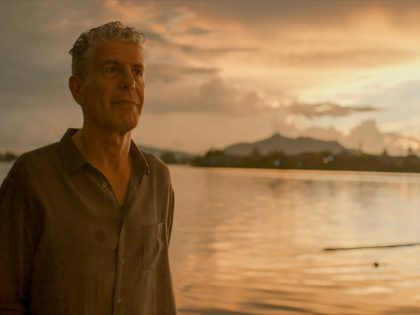
From staging its emotional finale to deploying AI-generated simulations of Anthony Bourdain’s voice, Roadrunner’s director has undercut the reliability of the entire project.

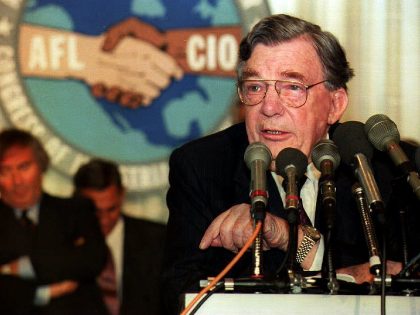
During the Cold War, the CIA and State Department understood that there is power in a union. After the successful purges of leftists from unions, US labor leaders were enlisted by government officials to join in their imperialist operations across the world.

Robert Kaplan’s latest book on big geopolitical questions reflects a shift away from high-minded ideals in US establishment thought. But instead of self-critical pragmatism, what he offers as a substitute is a misanthropic, antidemocratic worldview.
In case you haven’t noticed . . .