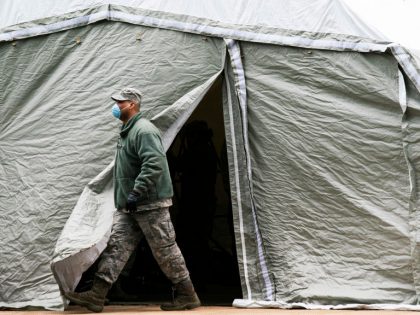
The Last Thing We Need Is a Military Shock Doctrine
The COVID-19 pandemic should be a time to reduce the military's deadly footprint at home and abroad. We can't let the military use this crisis to expand its powers.
The COVID-19 pandemic should be a time to reduce the military's deadly footprint at home and abroad. We can't let the military use this crisis to expand its powers.

Martin Luther King Jr died supporting striking black sanitation workers in the South. Less than a decade later, a black Atlanta mayor and King’s own father were attacking that same group of workers and breaking their strike. Black urban governance is meaningless without a commitment to strengthening the public sector and rejecting the logic of austerity.

The Bernie Sanders campaign fell short. But it assembled a coalition that, if expanded only slightly, can reshape American politics for generations to come.
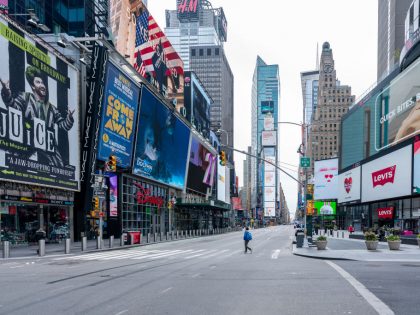
Gary Shteyngart’s novel Super Sad True Love Story was published a decade ago, and it offers a portrait of a near-future, dystopian United States that might suddenly be upon us. It’s perfect reading for the pandemic lockdown.
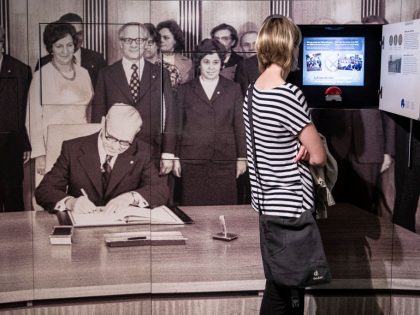
Thirty years since reunification, the former East Germany is routinely presented as a “second German dictatorship” where human rights were all but nonexistent. Yet when that state took sides with Third World causes and antifascists in the West, it frequently used the language of human rights — an expression of solidarity that often clashed with realities in East Germany itself.
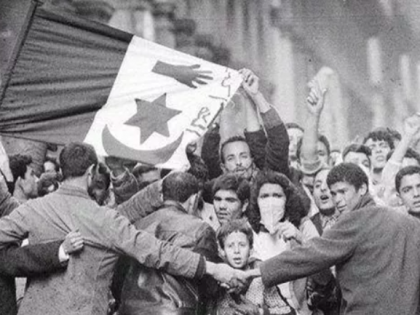
May 8, 1945 brought the end of World War II in Europe and the final liberation of German-occupied territories. But the creed of restored national independence wasn’t extended to Africa — and that same day, French colonial forces launched a wave of repression in Algeria that killed thousands.

As the war in Afghanistan slowly grinds to an end, many in the foreign policy establishment want to tell you it was a “good war gone bad.” That’s false. The war in Afghanistan never should have been waged in the first place.

The Post Office is a national treasure, providing service everywhere from the smallest town to the biggest city and offering a rare example in US society of democratic values prevailing over private profits. We can’t let the Post Office’s opponents use the coronavirus crisis to dismantle this vital universal service.
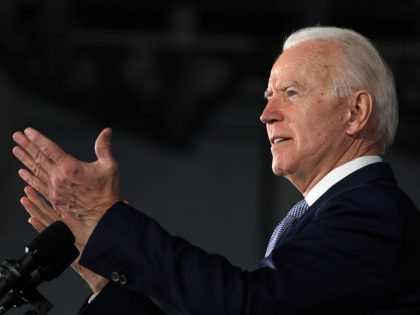
The New York Times attack yesterday on socialists who won’t endorse Joe Biden isn’t actually about convincing socialists to vote for him — it’s about performatively denouncing leftists as irresponsible, for the edification of the liberals who are watching.
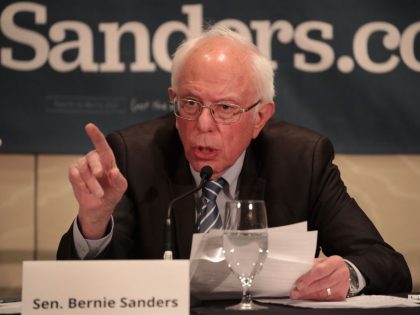
Bernie Sanders is the coauthor of the Health Care Emergency Guarantee Act, which wouldcover anyone who was uninsured when the coronavirus crisis began. The labor movement's animating maxim is “an injury to one is an injury to all” — unions should keep that phrase in mind and back this bill.
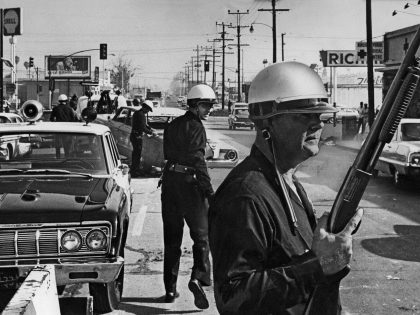
From the Black Panthers to the Communist Party, radical Los Angeles in the ’60s was a seething cauldron of unrest, united by the brutal, lawless repression of the LAPD. In a rollicking new book, Mike Davis and Jon Wiener tell the story of a decade of explosions.

The COVID-19 crisis, like the subprime mortgage crisis a decade ago, has sparked major public interventions to stabilize the financial markets. But the Fed isn’t stepping in to bail out the real estate sector — and the big losers are set to be ordinary households.
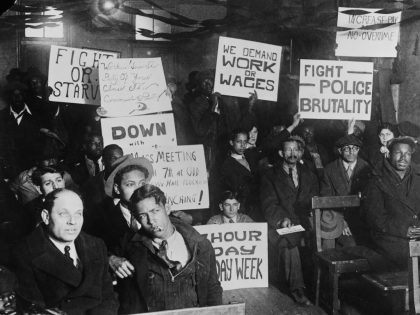
In the years immediately following World War II, the movement for black equality, rooted in the militancy of black workers, was making massive strides. The McCarthyist anticommunist campaign of the late 1940s dealt a hammer blow to that project, attacking its unions and scattering its activists, ultimately narrowing the ambitions of the black freedom movement.

Thirty years since German reunification, the “new states” from the former East still suffer the effects of mass deindustrialization and emigration. But if reunification hasn't delivered the promises of 1990, socialists should recognize why most East Germans didn't defend the old system — and why welfare and public services aren’t enough to build a viable socialist society.
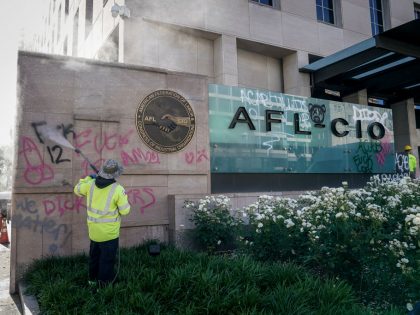
In the past, radical-led unions have been at the forefront of the struggle against police brutality. Unions must step up and do the same today — because racial justice movements can’t win radical reforms without the institutional power of organized workers.

The police were first created to suppress labor militancy and the Left, before becoming a tool to bludgeon the most marginalized in society, particularly poor black people. We must dismantle this brutal instrument of social control.
Stuck in the middle with you.
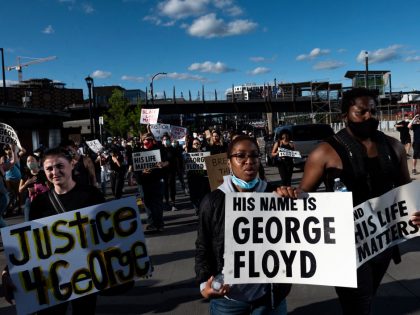
The brutality we have repeatedly seen meted out by American police all over the country isn’t a bug of our political-economic system — it’s a feature.

Rising from the ruins of World War I, in the 1920s Vienna’s socialist administration was famous for its innovative housing and public health programs. But at the heart of “Red Vienna” were its services for children, guaranteeing that even the poorest young people could share in the joys of childhood — and the foundations of a fulfilling life.

Manning Marable was a leading radical thinker whose brilliant writings showed how the struggle for black liberation is bound up with the struggle against capitalism. Though he didn’t live to see the rise of Black Lives Matter, his work has a tremendous amount to offer the movement today.