
Workers Want to Unionize. Will Union Leaders Respond?
Conditions are ripe for labor’s revitalization. So why aren’t unions stepping up with massive financial and organizational support for workers’ organizing efforts?
Conditions are ripe for labor’s revitalization. So why aren’t unions stepping up with massive financial and organizational support for workers’ organizing efforts?

GOP leaders are threatening to cut Social Security and Medicare if they take back the House this fall. Elected Democrats won’t have the will or power to stop them unless ordinary Americans are willing to put up a real fight.

Tim Ryan understands that decades of neoliberal policies have been disastrous. But his solutions to that disaster leave much to be desired.

During a speech on Saturday, Joe Biden referred to right-wing protesters calling him a socialist as “idiots.” He’s right. Socialists are committed to ending inequality, and the president has always been on the other side of the barricades.

The Marxist writer and activist Mike Davis died yesterday at the age of 76. His astonishing body of work will be impossible for anyone to replicate — but all of us can emulate his example of how to live and fight as an “old-school socialist.”

The Federal Reserve has signaled that it will further raise interest rates this month, increasing the chances of a recession that will hurt average people. In response, most of the Democratic Party establishment are twiddling their thumbs.
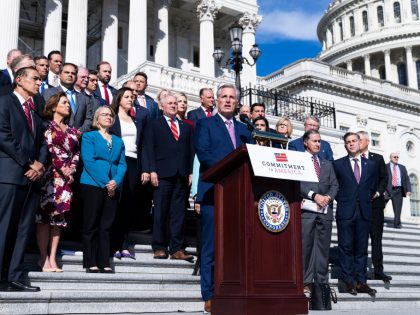
Draconian spending cuts, attacks on labor organizing, stoking war with China, and speeding up climate disaster — these are just some of the things Republicans are planning if they win big on Tuesday.
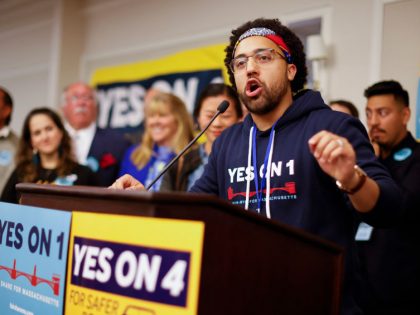
Voters in Massachusetts just ratified the Fair Share Amendment, which taxes income above $1 million to fund public services. A broad coalition of labor and community groups took on billionaire money and won.

Throughout American history, no matter the oscillations in politics, the economy, or class struggle, the “labor question” refuses to die.

Faced with job losses, oil workers in Trinidad and Tobago put forward a plan for worker ownership. Their fight shows how workers in fossil fuel industries can play a central role in reorienting production to social need.

In the neoliberal era, Democrats adopted an elitist approach that emphasized education as the key to individual success. Only the revival of an inclusive social democratic politics can reverse economic inequality and defeat reactionary populism.

The Democratic Party has sold out and ignored workers over and over in recent years — so much so that despite Republicans’ steadfast commitment to the rich, they’ve also made significant inroads in winning over working-class voters.

The decline of religious affiliation in the United States has harmed the Left more than the Right. It has also produced millions of spiritual-but-not-religious Americans who are lonely and hungry for a nourishing community. We should organize them.

We spoke with a longtime BNSF conductor about the labor agreement recently imposed on railroad workers by President Biden. He says he feels betrayed by a president he thought was pro-labor and explains how his job has gotten worse over time.

Eisenhower’s warning about the “military-industrial complex” marked an era when the American right feared militarism could bankrupt the country and plunge it into socialism.
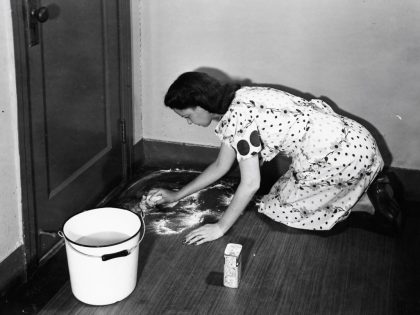
Marxists have a powerful critique of exploitation in the capitalist workplace, but our analysis can’t stop there. A comprehensive analysis of capitalism, Nancy Fraser argues, must also account for the social relations that make the official economy possible.

Democrats have won South Carolina once in 60 years, the state is getting older and whiter, and plenty of battleground states would be a better fit. So why do Democrats want to put the state’s primary first? Because it helps Joe Biden and hurts the Left.

Arizona senator Kyrsten Sinema’s switch from the Democrats to independent isn’t about political principle — it’s a last-ditch attempt to save her reelection prospects against a progressive challenger.

Jacobin staffers and contributors reflect on the best books we read this year.

We published 2,500 original essays in 2022. Here’s a recap in case you missed one or two of them.