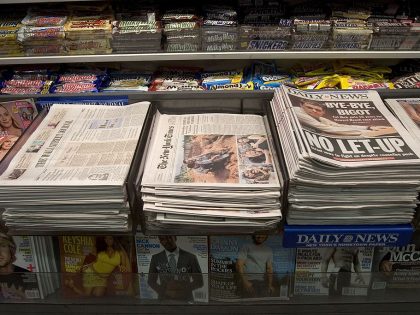
Mainstream Media Are Obsessed With Comparing Bernie to Trump
Corporate media can't stop equating Bernie Sanders with Donald Trump. That's because for them — and their bosses — Bernie is the bigger threat.
Ed Miliband was no radical. But he helped lay the groundwork for Jeremy Corbyn's rise, New Left Review’s Robin Blackburn argues.

About 450 immigrant workers hired to disinfect New York City’s subways at the height of the pandemic were given inadequate equipment and paid less than the city’s prevailing wage. They have now won more than $3 million in back pay.

Pundits are insisting Americans only feel bad about the economy because they’re ignorant or delusional. But maybe it has something to do with the very real economic hardships Americans are still suffering three years after the worst of the pandemic economy.
Syriza has been able to stand up to eurozone finance ministers because of the popular movement behind the party.
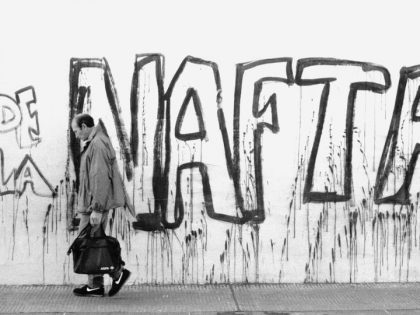
Fighting corporate trade deals requires uniting with immigrants and foreign workers — not scapegoating them.
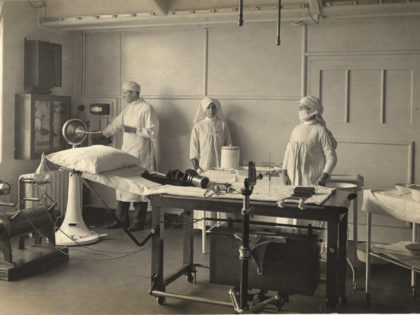
Single-payer critics argue that removing people from employer-based plans would be a disaster. They're wrong.
The recent Teamsters election didn't unseat the old guard's James P. Hoffa, but it left him discredited and vulnerable.
Blaming third-party voters for Trump's win isn't just bad politics. It's bad math.
You can’t fight Herrenvolk populism with weak-tea liberalism.
There was no crisis of profitability heading into the financial crisis and there is even more obviously no profitability crisis now.
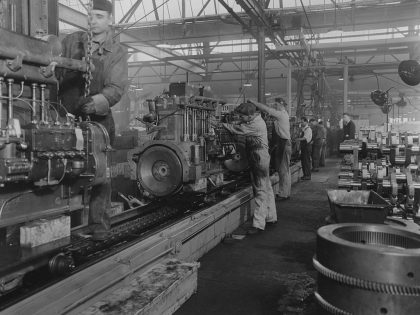
Even the Financial Times, the mouthpiece of international business, is suggesting the US needs an industrial policy. But we need one that empowers workers, not American corporations.
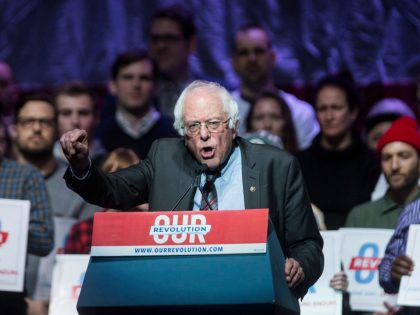
How he lost and where we go from here.
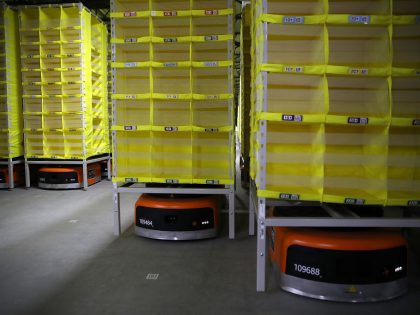
It’s fashionable to claim that the “rise of the robots” or the “disappearance of work” have changed everything about labor in the twenty-first century. But when it comes to extracting profit from workers, today’s era of ruthless capitalism is fundamentally the same as those of the past.
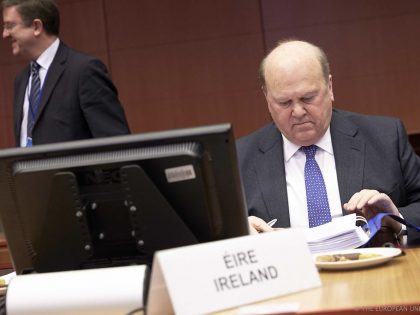
Held up as a eurozone poster boy after the 2008 crash, the Irish economy still isn’t delivering for the majority of its people, especially the young. A second global recession in just over a decade will sharpen popular discontent and the desire for a new model.
As the policy wonk has risen in prestige, we seem to have reached the point where this entire class of commentators is highly susceptible to what I’ll call “Charlie Rose disease.”

The American economy seems headed in the opposite direction of the “golden age” Donald Trump promised in his inaugural address.
What makes this perennial sad story worthy of another reexamination?