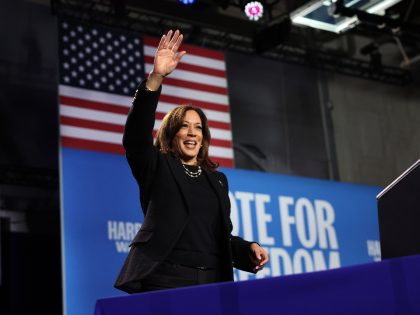
Analysis: Kamala Harris Turned Away From Economic Populism
Pressed by influential corporate advisors, Kamala Harris ran away from a winning economic populist message and ended up losing a campaign. We have the proof.
Pressed by influential corporate advisors, Kamala Harris ran away from a winning economic populist message and ended up losing a campaign. We have the proof.

The new FX TV show Say Nothing dramatizes one of the most controversial stories in modern Irish history, with characters that include former Sinn Féin leader Gerry Adams. Showrunner Joshua Zetumer spoke to us about the challenges of producing the series.
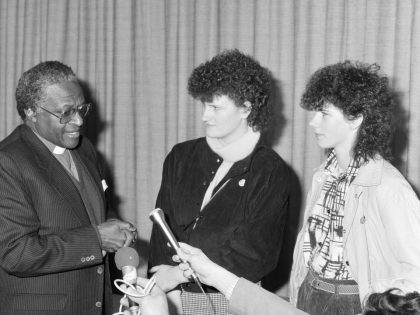
Forty years ago, eleven Dublin supermarket workers walked out on strike to refuse the selling of South African fruit — an act of defiance that would make Ireland the first Western nation to ban apartheid goods.
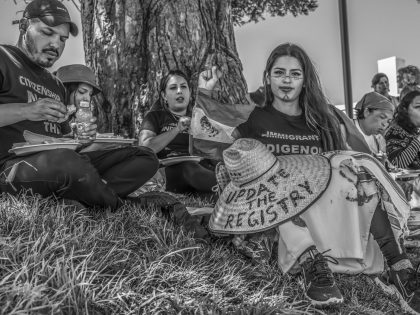
The US working class has a long tradition of standing up against immigrant repression. This history is a reservoir of inspiration and strategic thinking — and it can help immigrant workers and communities confront Donald Trump’s promised wave of repression.
In defiance of predictions, American Marxism has survived and even flourished, notably in universities. This institutional base has produced plenty of good scholarship, but it’s also encouraged hyper-specialization and the use of impenetrable jargon.
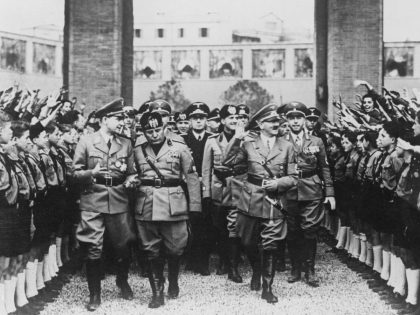
Behind the confusion and debates about fascism lies a simple truth: it’s a power game driven by economic elites. Communists recognized that fascism’s form is shaped by class dynamics — an insight we shouldn’t forget.

Years into the war with Russia, the Ukrainian state has not resorted to widespread nationalizations or labor conscription. Unlike the total mobilizations of the last century, Ukraine’s war effort heavily relies on market mechanisms and civilian donations.

A new report from the Department of Housing and Urban Development affirms the obvious: ripping away pandemic-era welfare amid inflation and a housing affordability crisis was a complete disaster. The result: homelessness in the US is at a record high.
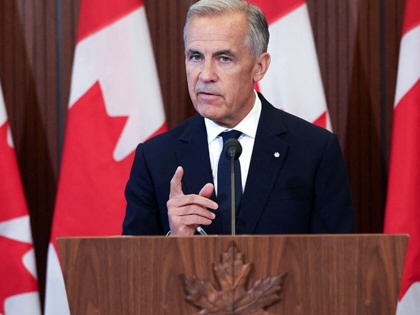
Newspapers around the world have anointed Canada’s prime minister the new “leader of the free world.” But Lula links democracy to economic equality and solidarity, while Mark Carney revives the technocratic neoliberalism that helped create its crisis.
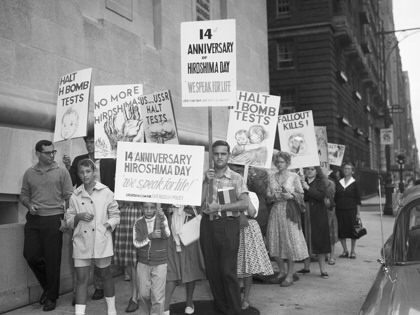
In the latter half of the 20th century, labor leader Tony Mazzocchi fought for a progressive political vision that put working-class concerns front and center. His example continues to be invaluable for labor and the Left today.
After nearly half a century as a key figurehead in the Democratic Party’s rightward turn on domestic politics, Joe Biden had a chance to undo some of that damage as president. Time after time, he blew it.

As president, Donald Trump launched broadsides against the liberal international order. Will Joe Biden be able to put America “back at the head of the table” once in office?
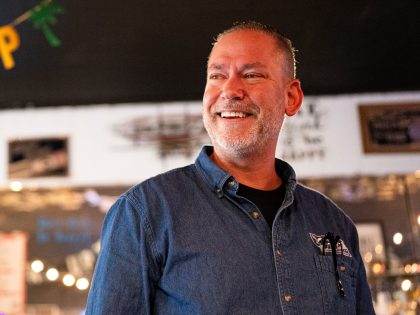
Last year Dan Osborn, a former union president and strike leader, almost won a Senate seat in deep-red Nebraska as a populist independent. Osborn has now started a PAC to recruit, train, and support more blue-collar candidates for public office.
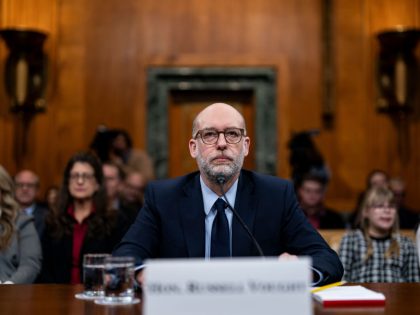
Russell Vought, Trump’s nominee for budget chief, has a plan: cut taxes for the wealthy, eliminate regulations on corporate power, and slash spending on government programs the rest of the country depends on.
The Left needs a revived labor movement, and a revived labor movement needs the Left.
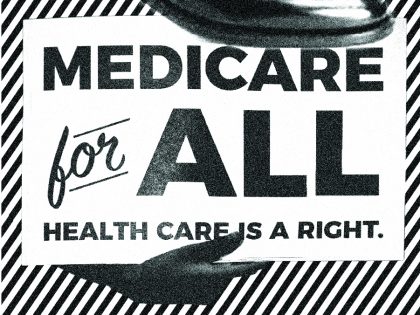
As the Trump era draws to a close and yesteryear’s centrist, Joe Biden, takes office, can the Medicare for All movement build the momentum it needs to win?
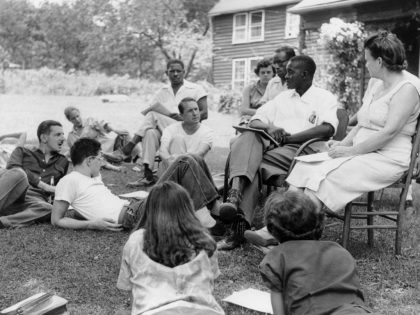
Throughout the entire history of left-wing and working-class organizing in the United States, the participation in and building of institutions of political education has been key.
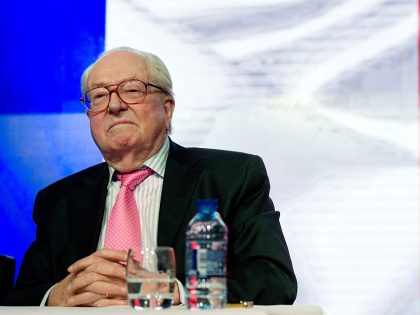
Jean-Marie Le Pen, who died last month, attempted to forge an alliance between neo-fascists, apologists for French colonialism, and neglected working-class communities. Today this coalition threatens the foundations of the Fifth Republic.
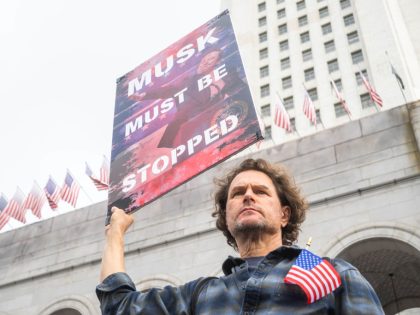
Up against a far worse assault on government and the basic components of democracy than in 2017, an opposition force to Donald Trump and Elon Musk may be cohering.
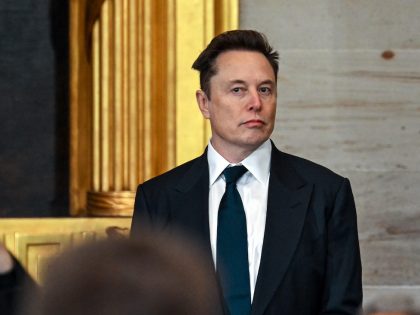
Elon Musk would like you to think he is invincible right now. But the world’s richest man is actually extremely vulnerable to public pressure at the moment — public pressure that federal workers and their unions can take advantage of.