War and Instagram in Ukraine
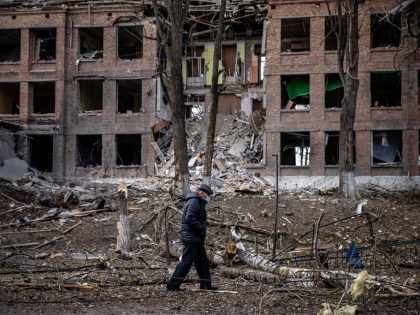
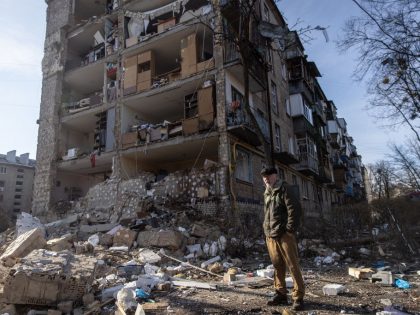
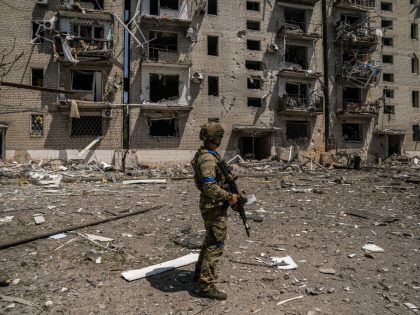
For the last few years, enthusiasts have documented Ukraine’s Soviet buildings online. Since February, they’ve been bombed and shelled. What happens next?

For the last few years, enthusiasts have documented Ukraine’s Soviet buildings online. Since February, they’ve been bombed and shelled. What happens next?

The Donbas is at the heart of Vladimir Putin’s claim that Lenin divided Russia to create Ukraine. Yet the region’s real history shows how much the Bolsheviks struggled with demands for national autonomy amid the collapse of the tsarist empire.

On Thursday, European leaders released another €50 billion in funding for Ukraine. The funds are a lifeline for the Ukrainian military — but waning US support and the stalemate on the front line are chipping away at Europe’s commitment to Kyiv.

There’s a disconnect between Western leaders’ increasingly hawkish public discourse and the quiet consensus among their military experts that any armed encounter with Russia would likely end in a nuclear catastrophe.

The Trump administration’s proposals for peace in Ukraine sound like a real estate deal, where the United States gets a payoff for handing over Ukrainian land. But with Kyiv’s leverage shrinking, the country may be forced to swallow a grim deal.

Ukrainian president Volodymyr Zelensky has been criticized for recent moves to centralize power. But these developments are less about the actions of a single leader and more the result of decades of state weakness following the dissolution of the USSR.

The Ukraine crisis is extremely complex and little understood. Sociologist Volodymyr Ishchenko explains the crisis’s origins, the fictions that surround it, and why war is still far from inevitable.
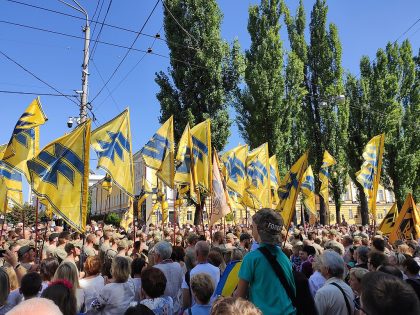
Ukraine's politics are dominated by oligarchs. Its streets are more and more run by the far right.

Ukraine owes billions of dollars in foreign debt, most of it to international finance institutions, banks, and hedge funds. If Western governments were serious about helping Ukrainians amid a devastating war, they would push for those debts to be canceled.

The same Western media that once documented and decried Ukraine’s far right is now playing it down and even rehabilitating its leaders — including actual Nazis. Such apologetics aren’t doing any favors for Ukrainians or their fight against Russia’s aggression.

Vladimir Putin uses the language of “demilitarization” to pursue an aggressive imperial policy against Ukraine. In an interview for Jacobin, a Ukrainian socialist explains the falseness of the Kremlin’s pretexts — and why the war could drag on for years.

Critics have taken the Left to task for its skeptical view of offensive military aid for Ukraine. They are quick to forget the fraught record of liberal interventionism around the world.

Some influential voices are calling for a policy aimed at turning Ukraine into an “Afghanistan-style” quagmire for Russia. It's a disastrous idea that would prolong Ukrainian suffering and ignores the lessons of countless foreign misadventures.

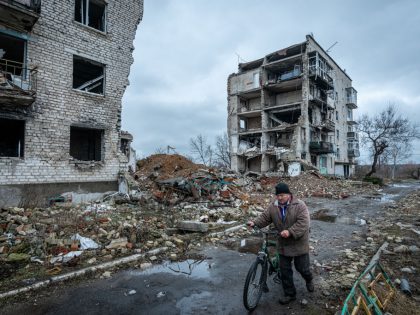
The criminal Russian invasion has devastated cities around Ukraine and forced millions to flee the country. Achieving a cease-fire is top priority — but the war has already brought changes that will echo for decades to come.

Putin’s disastrous gamble in Ukraine has left the West in a strong position to craft a peace that would underscore the futility of Russia’s aggression. But there are worrying signs that the Biden administration might be unwilling to accept peace on any terms.

Hundred of thousands of Ukrainian workers have mobilized to defend their country against the Russian invasion. Yet economic elites are using this moment to push through an unpopular liberalization agenda.

Vladimir Putin’s war on Ukraine is a horrific, unconscionable act. NATO’s expansionist policy made such an invasion more likely. Both of these things are true.

Socialists’ first task in Vladimir Putin’s appalling war on Ukraine: provide unconditional solidarity with its victims.

Ukraine’s public debt has ballooned over years of war, with European authorities and the IMF offering loans in return for pro-business “reforms.” Ukrainians are calling for the debt to be canceled, to aid the country’s future recovery.

In the early 20th century, Ukraine was repeatedly a site of antisemitic violence and genocide. Even today, racism hasn't disappeared — but Jewish people’s place in today's Ukraine shows that antisemitism is no eternal national trait.