
Japan’s “Womenomics”
Shinzo Abe pledged to create a Japan in which “all women can shine.” But behind the glitter is a program that has little to offer working-class women.
Shinzo Abe pledged to create a Japan in which “all women can shine.” But behind the glitter is a program that has little to offer working-class women.
Shinzō Abe and Japanese ultra-nationalism can only be countered with a transnational movement of solidarity.

The US trade war is a result of domestic elites’ refusal to accept America’s relative decline. The recent experience of Japan shows how economic decline can be managed.
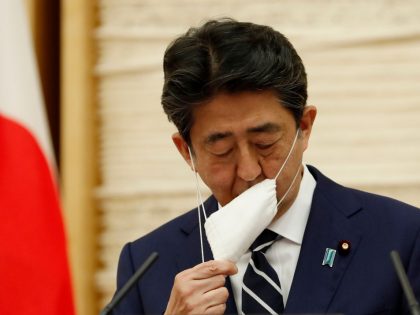
Abe Shinzo’s government was slow to respond to COVID-19, lagging behind neighbors like South Korea. The public health crisis has been worsened by the recklessness of Abe’s foreign policy, which relies upon an erratic US sponsor whose bases are a vector for spreading the disease.
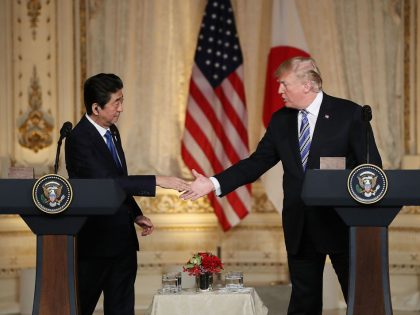
Shinzō Abe is pushing to open up Japan's restrictive immigration system. But his reforms would serve the interests of business, not immigrant workers.
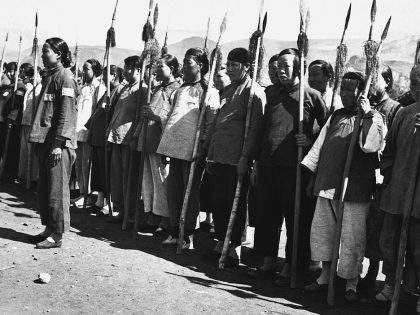
Japanese colonialism is infamous for its brutalization of women, abducted and forced into sex slavery. Less known is women’s role in fighting against the Japanese Empire, brilliantly brought to life in two recent novels.
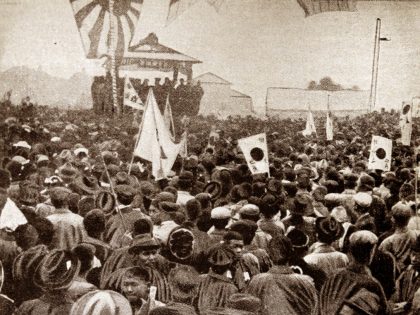
Japan’s socialist movement took shape in the face of brutal repression as the country embarked on a path toward imperialist expansion. Against the odds, Japanese socialists built a political force that could challenge the new capitalist order.
Two American veterans journeyed to Japan to apologize for US war crimes. They found a growing grassroots antiwar movement.

In the 1960s, leftist filmmakers from France to Japan revolutionized the documentary. Anti-fascism was not just the heritage of past generations but a message carried forward by the avant-garde on-screen.
Japanese Prime Minister Shinzō Abe is pushing the country toward dangerous new militarization.
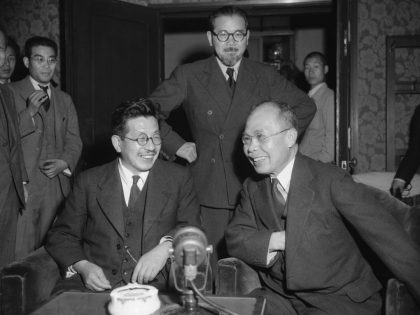
For most of Japan’s postwar era, the Socialists were the second force in the country’s political system and the main challenger to conservative rule. But when they ditched their left-wing, anti-militarist principles in the 1990s, they collapsed into minor-party status.
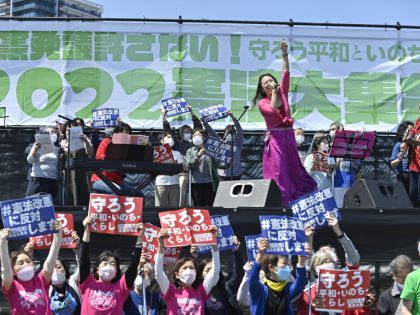
Jacobin interviewed Yuichi Ikegawa, a Communist member of the Tokyo Metropolitan Assembly, about why Japanese youth are increasingly rejecting militarism, gerontocracy, and the false promises of capitalism.
Efforts to suppress political expression in Japan are meeting an unlikely foe: the flash mob.
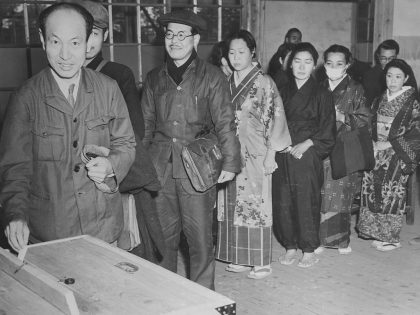
Today marks a decade since the death of Japanese communist Toshiko Karasawa. Her courageous life is a testament to the revolutionary potential of anti-imperialism, but also the difficult choices faced by the Left in US client states.
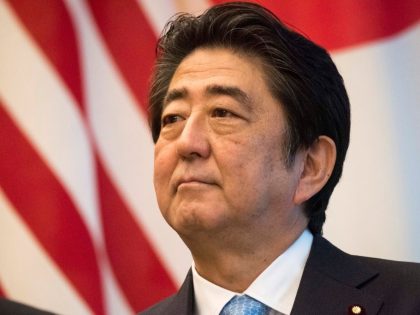
The Japanese government is pressing ahead with a state funeral for its former prime minister Abe Shinzo — essentially a state blessing for Abe’s legacy. In death as in life, Abe is strengthening the grip of ultranationalist militarism on Japanese politics.
Okinawan residents have built a broad movement to resist the power of the United States military in Japan.
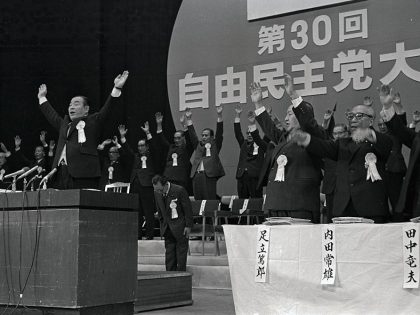
From its origins in 1955 as a US-sponsored bulwark against the Left, the conservative Liberal Democratic Party has dominated Japanese politics for seven decades. It now faces a new electoral challenge from parties of the populist, xenophobic right.
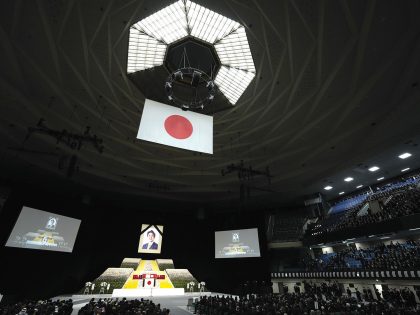
From the Moonies to military revanchists, Abe Shinzo was in bed with some dangerous oddballs. His funeral was a battle over their place in Japanese politics.
The nationalist pride and neoliberal economics peddled by Shinzō Abe promise only cheap escape from Japan's problems.

The dystopian film Plan 75 imagines a society in which the aged willingly commit mass euthanasia — but it can’t imagine a society without class.