
Germany’s 28-Hour Workweek
Last month German metal workers won the right to a 28-hour workweek — after going on strike to demand a better work-life balance.
Last month German metal workers won the right to a 28-hour workweek — after going on strike to demand a better work-life balance.
A left that does not champion the interests of every oppressed group is no left at all.
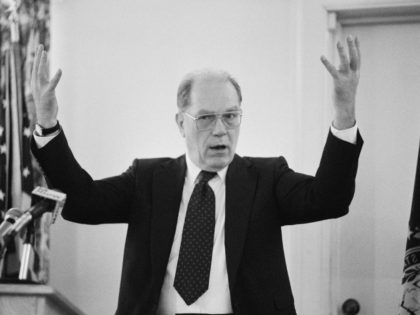
The crises and anxieties of our age gave Lyndon LaRouche a lot of material to work with, to create his theories and control his followers. Now, his aimless and contorted reign has come to an end.
The story of the Stonewall Rebellion and the rise of the gay liberation movement.
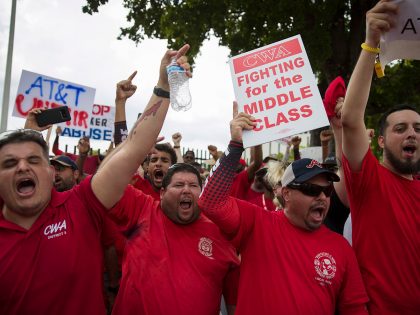
Strikes are on the rise in the United States, not just in education but also in the private sector, as we saw in this week’s AT&T strike in the South. We can’t understand the rise in labor militancy without understanding the role Bernie Sanders has played in stoking that militancy.
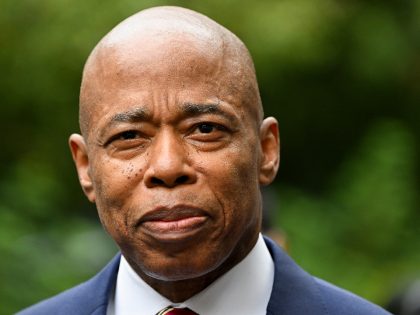
The federal corruption indictment against New York mayor Eric Adams suggests his victory didn’t reflect a popular consensus on law and order and austerity — it was a product of alleged straw donor fraud that gave him a huge cash advantage in a tight primary.
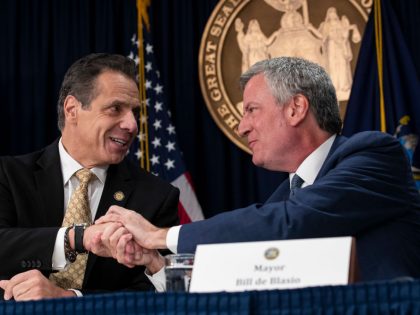
Bill de Blasio is welcoming Amazon to New York City with open arms — proving that his progressive reputation was always a sham.
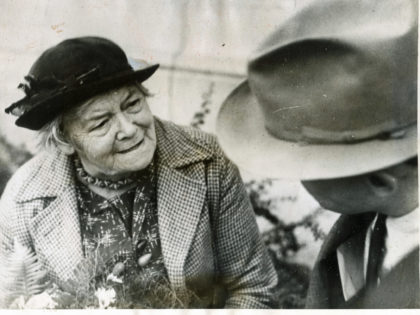
Labor organizer Ella Reeve Bloor died on this day in 1951. Her life stands as a signpost for all radicals.

The Soviet Union’s collapse created opportunities for nationalist elites. Azerbaijan's current campaign of ethnic cleansing in Nagorno-Karabakh has been enabled by both this instability and regional jostling for influence by Russia, Turkey, and others.
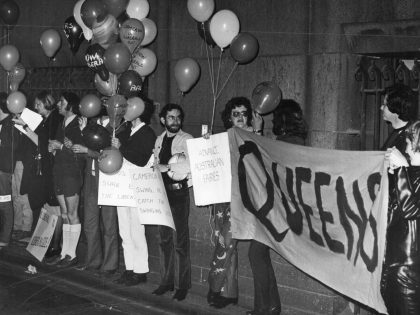
In 1968, Ken Davis became a socialist while still in high school — ten years later, he helped to lead the first Gay and Lesbian Mardi Gras in Sydney. As Davis explains, the struggle for gay rights in Australia formed part of a global fight for liberation.

Social theorists identify automation as both the main cause of unemployment and the future launchpad for a high-tech post-scarcity world. But, Aaron Benanav argues, the problem is the stagnation of global capitalism and its inability to generate enough jobs.
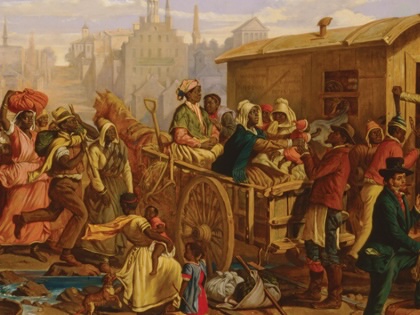
The Reckoning, Robin Blackburn’s monumental work of history, offers a sweeping account of the politics behind American slavery’s rise and fall.
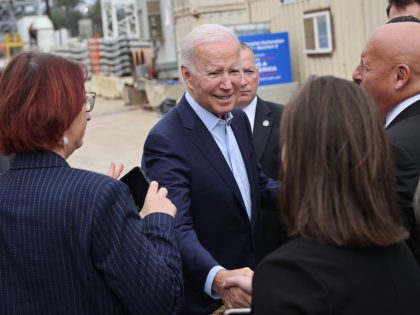
As millions of Americans struggle with the high cost of living, the Democratic leadership seems out of touch. It could cost them in the upcoming midterms.
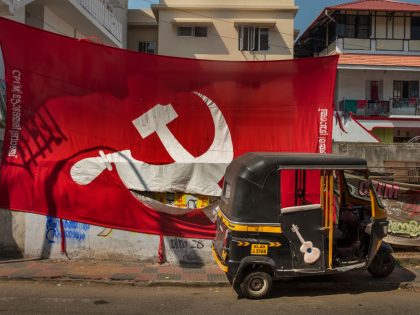
The Communist Party of India (Marxist) used to have a mass base among West Bengal’s landless Muslim peasants. Today, their poor relations symbolize the party’s decline.
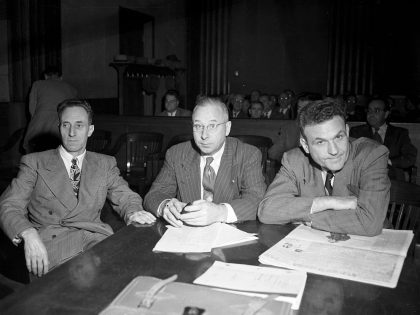
Across the 20th century’s two red scares in the US and Canada, the Wobblies and Communist-aligned unions faced fierce repression from employers and government. They were targeted because they were seen as posing a real threat to the capitalist social order.
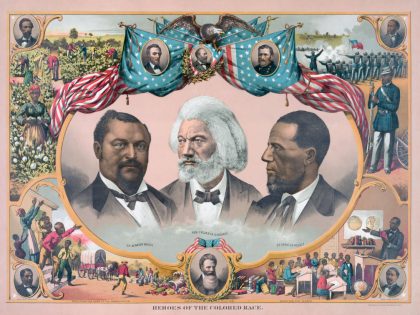
Slavery in America, Brazil, and Cuba relied on capitalist markets, which supplied credit and demand for slave-made goods. The Reckoning, Robin Blackburn’s monumental history, offers a dizzying account of the politics behind this system’s rise and fall.

Make no mistake: the Working Families Party’s opaque presidential endorsement process signaled a rejection of not only Bernie Sanders but the movement emerging around him.
Corporate music festivals amplify the power of capital, to the detriment of artists and fans.
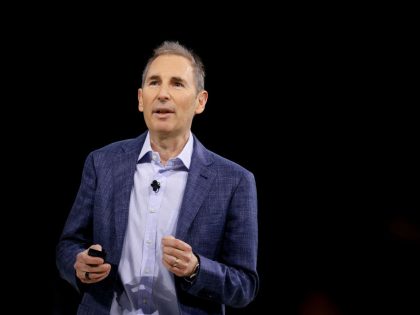
Thanks to AI, white-collar workers are discovering what blue-collar workers learned a half-century ago: they’re disposable.

Péter Magyar will be sworn in as Hungary’s new prime minister this week. His government has a strong technocratic thrust — a departure from Viktor Orbán’s cronyism but hardly a revitalization of democratic participation.