Capitalism made the Second Slavery
The Reckoning, Robin Blackburn’s monumental work of history, offers a sweeping account of the politics behind American slavery’s rise and fall.
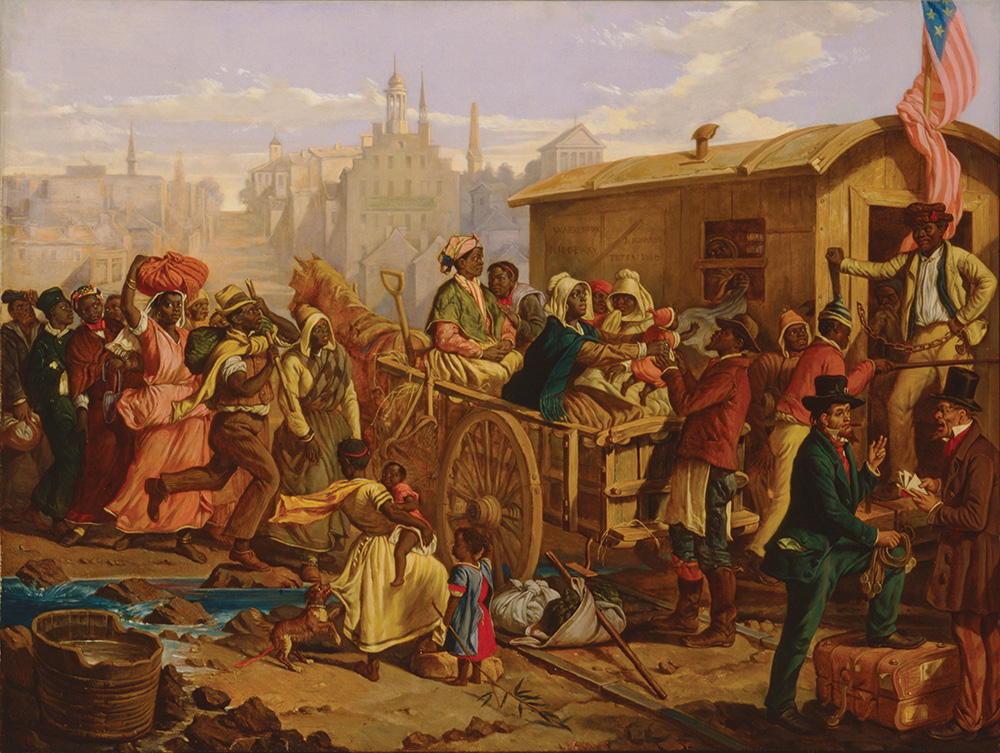
(Chicago History Museum / Getty Images)
Review of The Reckoning: From the Second Slavery to Abolition, 1776–1888 by Robin Blackburn (Verso, 2024)
W. E. B. Du Bois called the rise and fall of slavery in the Americas the “most magnificent drama in the last thousand years of human history.” It is a drama that continues to grip the popular imagination, which has its own varying interpretations: slavery as an original sin cursing the New World to perpetual racial domination, abolition as a pure moral crusade against a white supremacist regime run by and for a class of cruel slaveholders, slavery as a premodern blight holding back progress, abolition as the historically inevitable forward march of progress, slavery as integral to modernity itself, abolition as a historical aberration.
Historians have found it helpful to see the drama of New World slavery as occurring in two acts. From the first years of European colonization through the early nineteenth century, there was a “first slavery,” pioneering the growth of commodity plantations in the Americas under the aegis of imperial protection.