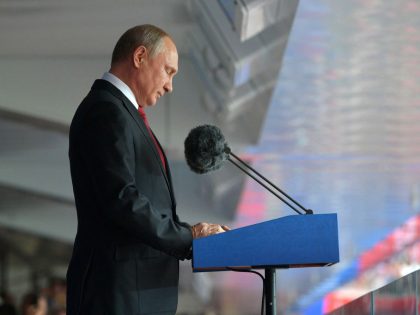
The Crisis That Created Putin
Twenty years ago, a crisis of Russian capitalism doomed Moscow’s pro-Western regime and gave birth to the Putin era.
Twenty years ago, a crisis of Russian capitalism doomed Moscow’s pro-Western regime and gave birth to the Putin era.
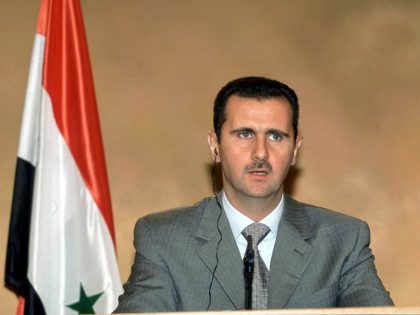
Bashar al-Assad has started confiscating the homes of Syrians who fled during the Civil War. For decades, his clan has purged the state of all but the most fanatical loyalists: now, it’s doing the same to society itself.
Chaos, violence, and authoritarian rule reign in Turkey. Is there any opening for the Kurdish liberation movement?
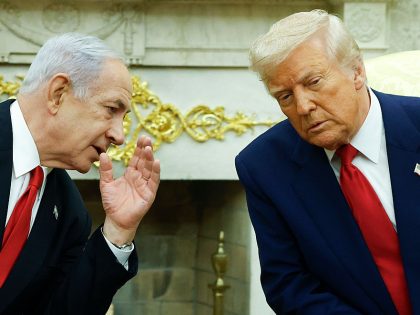
Robert Kaplan’s latest book on big geopolitical questions reflects a shift away from high-minded ideals in US establishment thought. But instead of self-critical pragmatism, what he offers as a substitute is a misanthropic, antidemocratic worldview.
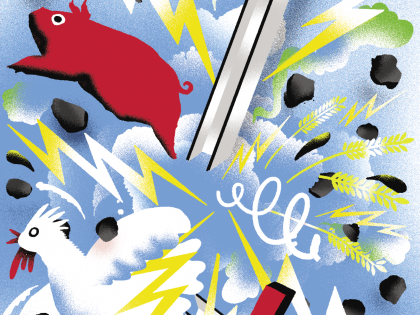
What have three decades of market reforms meant for the world’s largest working class?
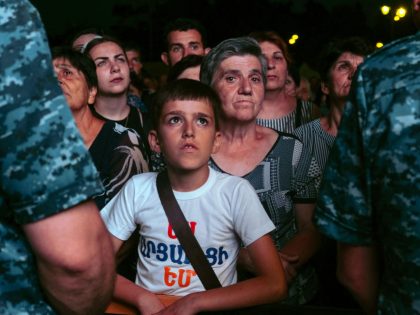
The West is indifferent to Azeri aggression in Armenia because Azerbaijan’s strategic significance makes it an essential partner for Western energy security, leaving democratic Armenia with limited support in its time of need.
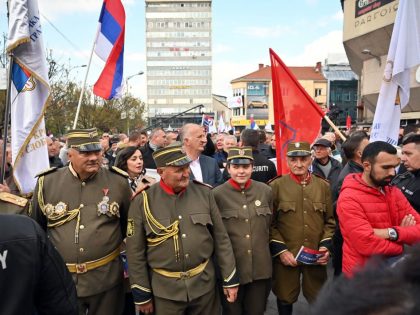
The Dayton Agreement ended the bloody Bosnian War of the 1990s, but it hasn’t resolved the conflicts plaguing the country. It’s a cautionary tale for finding an effective peace agreement in Ukraine.
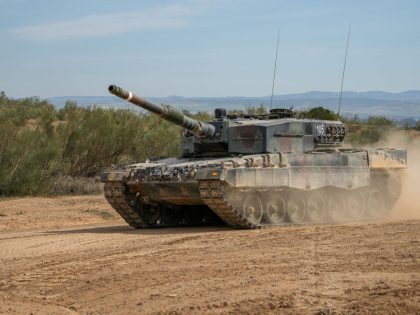
In Germany, even radical left-wingers who long distrusted state power are today calling for more tanks and jets for Ukraine. Lacking alternative solutions to the conflict, parts of the Left increasingly fall in behind the government’s call to rearm.
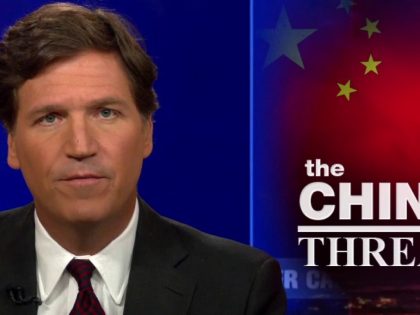
Tucker Carlson can’t be credited for dissenting against US war fever when he spent years on his Fox News show stoking major tensions with China.
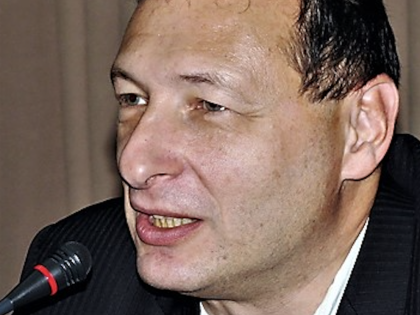
Sociologist Boris Kagarlitsky, a prominent Russian Marxist imprisoned by Vladimir Putin’s government on false charges, has had his appeal denied. He deserves our solidarity.
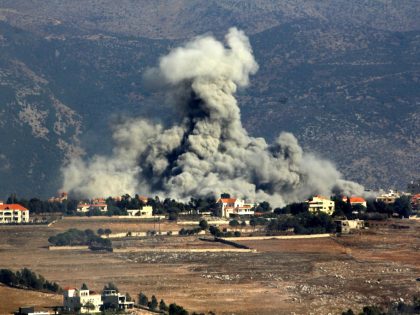
Israeli officials have cited a need to “escalate to de-escalate” as motivation for their ongoing assault on Lebanon. This theory has a long and ill-fated history in American foreign policy thinking, where it has served as a fait accompli for bloodshed.
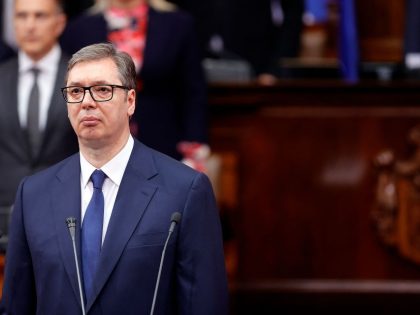
Western media coverage often presents Serbia under Aleksandar Vučić as a Russian puppet state. In reality, Vučić has been playing both sides in the new Cold War while applying the same neoliberal policies that hold sway in the West.
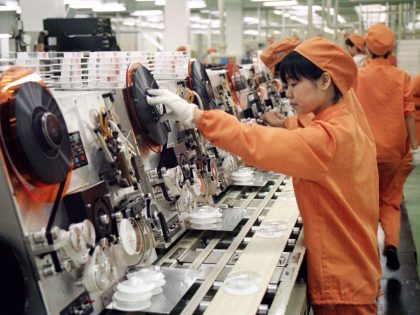
In the 1980s, as China sought to introduce markets into its economy, an internal debate roiled over whether to liberalize prices gradually or all at once. It rejected the free-market shock therapy option, and challenged neoliberal orthodoxy in the process.
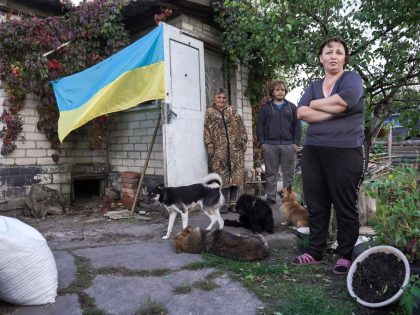
Ukrainian elites have for decades been divided between Westernized professionals and pro-Russian oligarchs, each with a narrow social base. The missing force has been the working class, unable to develop its own distinct project for the country’s future.
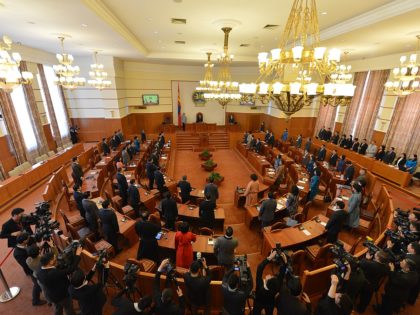
When the US intervened in Mongolia's elections, they did a lot more than leak emails.
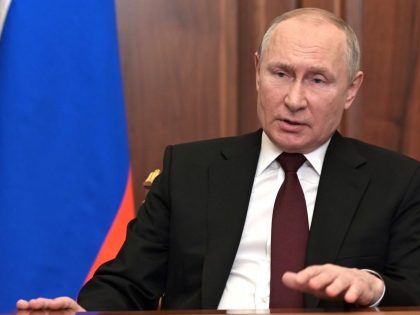
The world needs to punish Vladimir Putin for his illegal war and deter similar behavior in the future. Here are four options that don't require the West to get into a shooting war with Moscow.
The Ukrainian state and far-right groups have allied to build a new nationalist consensus.
Turkish president Erdoğan is wielding the state to attack anyone who won't capitulate to his authoritarian rule.
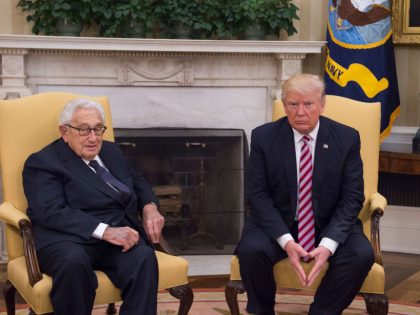
Many suspect Putin is blackmailing Trump. But could there be a different culprit? A plausible theory of mind-boggling confusion.
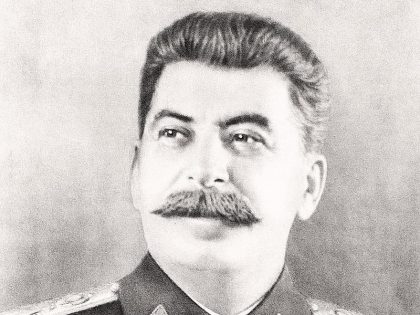
Stephen Kotkin aspires to give us the definitive picture of Stalin — and to bury socialism with his crimes. But Kotkin’s political outlook, neglect of ideas, and addiction to hindsight warp his presentation of Russian and Soviet history, undermining his entire project.