The Golden Era
Between October 1917 and April 1918, the Bolshevik government enacted the most radically democratic platform in history.
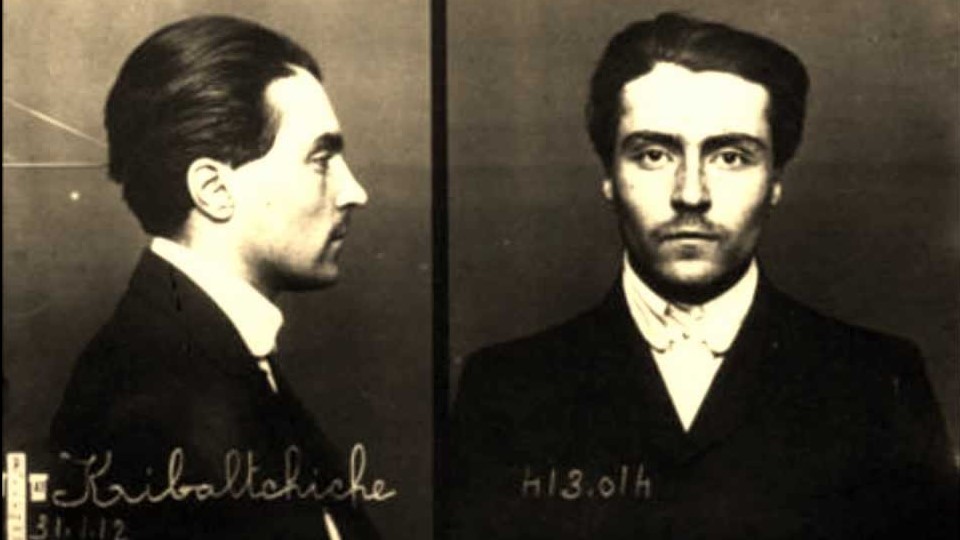
Victor Serge., chronicler of the Russian Revolution and its aftermath.Isidora / YouTube
Victor Serge began writing Year One of the Russian Revolution in Leningrad in 1928, just over a decade after the victorious revolution.
The year before, the Communist Party of the Soviet Union (CPSU), had expelled its Left Opposition, Serge among them. Three months later, Stalin’s regime arrested Serge and held him for seven to eight weeks. Soon after, he suffered an intestinal occlusion that nearly killed him. While recovering, Serge pledged to bear witness and write a “serviceable testimony” of these times.
The Left Opposition, whose best-known member was Leon Trotsky, had formed in 1923 to combat the growing power and privileges of bureaucracy, which was spreading like a cancer in the party and state. It protested the disappearance of democracy, the stifling dictatorship of the bureaucracy, the lack of a steady-paced industrial policy, and Stalin’s narrow nationalism, which represented not just a rejection of the Russian Revolution’s international character but of Marxism itself. The Left Opposition aimed to reverse a political drift that had already carried the revolution far away from its initial goals.