Labor’s Long March
The question is no longer whether the working class matters, but how it can fight back.
The question is no longer whether the working class matters, but how it can fight back.
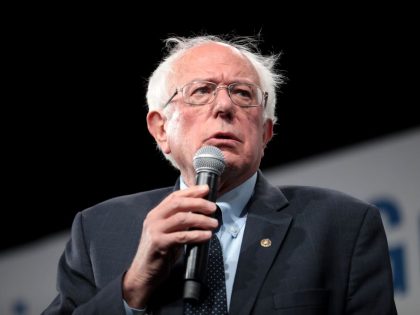
To win universal social programs and pro-working-class politics in America, the Left needs to win outside of traditional Democratic strongholds. And that means having the message and organizing that can capture the attention of millions.
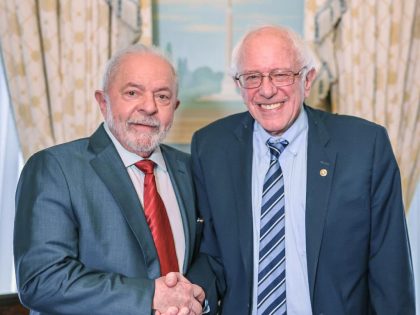
Brazilian president and working-class icon Lula da Silva made a major trip to Washington, DC last week. The two political leaders at the top of his meeting list: Alexandria Ocasio-Cortez and Bernie Sanders.
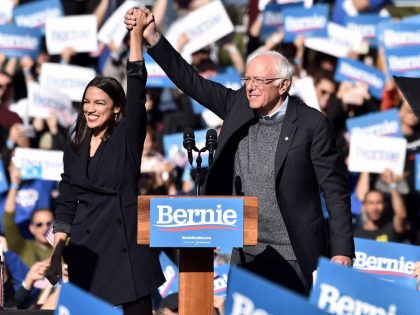
Everyone on the Left wants a more coherent, effective movement. But we’ll get there by devising creative new strategies for building our working-class base, not by launching yet another national progressive organization.

The Democrats managed to win last November's presidential election, but what about the next one? Given the party’s dependence on white suburban voters and the threat of resurgent Trumpism, they will most likely double down on their risk-averse 2020 strategy. That will only mean inviting further working-class defections.
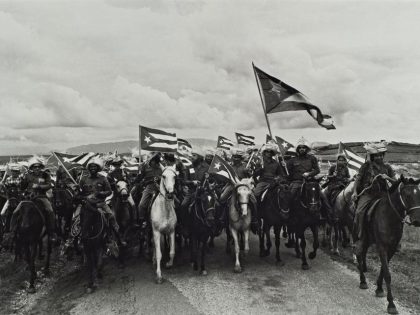
Though often overlooked, working-class movements played a substantial role shaping the Cuban Revolution.
Liberal pundits would have us write off all Trump supporters. But only a broad working-class movement can defeat the far right.

But we’re nothing without our universal subject — the international working class.
The working class has always been divided by varying forms of dispossession. Its strength lies in its collective power.
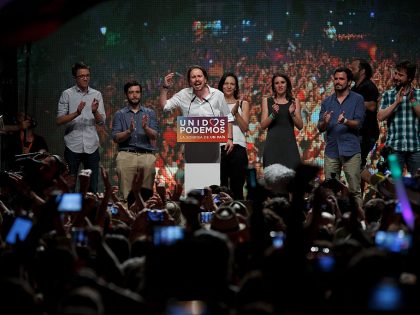
After decades of decline, left parties are in the midst of a renaissance. But without a commitment to social roots in the working class, twenty-first century “digital parties” could decline just as their predecessors did.
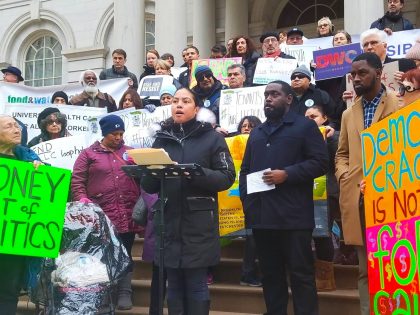
Newly endorsed by AOC's Courage to Change PAC, democratic socialist Samelys López is running to represent the South Bronx, fight for affordable housing — and take on the Democratic establishment in the process.
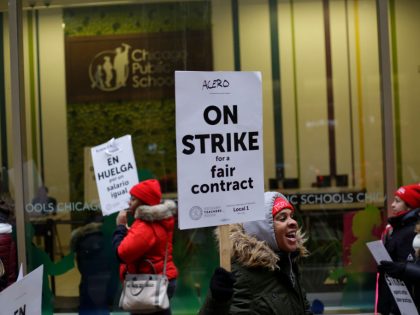
To build a more confident, fighting, politically educated working class, no task is more pressing right now than building for successful strikes.
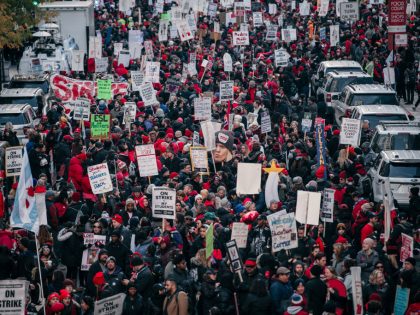
Joe Biden’s inadequate stimulus is the best workers can expect if they aren’t organized and fighting. But if we’re to see more policies that benefit and empower the working class, we’ll need more workplace organizing, more strikes, and more class struggle.
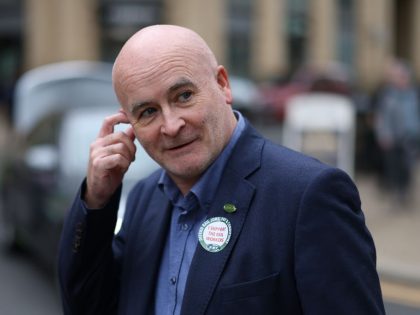
Leader of Britain’s RMT railworkers’ union Mick Lynch has become the most prominent face of the fight against the ruling Tories. He talked to Jacobin about his socialism and republicanism and how class politics can build a broad front against all inequalities.
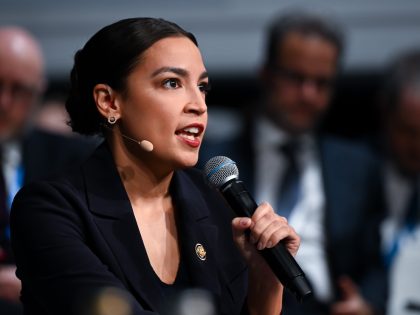
Working-class economic populism is necessary for both Democrats’ electoral success and the defense of democracy itself. Not many Democrats since FDR have recognized this, but Alexandria Ocasio-Cortez is one of the few who does.
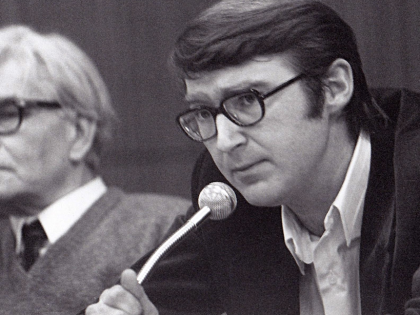
The postwar German left has had a lot of ups and downs — and leading Marxist political scientist Frank Deppe was there for most of them. On his 80th birthday, he spoke to Jacobin about the need to root left-wing politics in the changed realities of the modern working class.
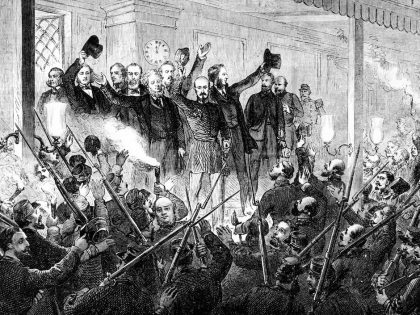
Today marks 150 years since the start of the Bloody Week, when the French army drowned the Paris Commune in blood. For Karl Marx, the Paris revolution was the greatest working-class uprising in his lifetime — and a model for what socialism might look like.
With the rise of Donald Trump, we need to think seriously about what it would take to form a democratic organization rooted in the working class.
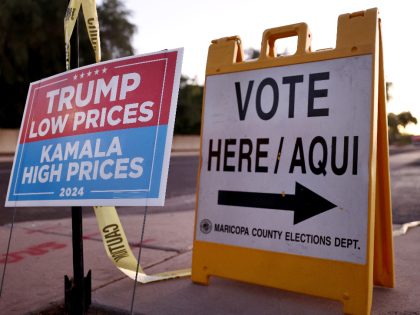
In their despair at Donald Trump’s victory, liberal pundits are concluding that the masses, especially the working class, are irredeemably terrible. That’s apolitical nonsense.
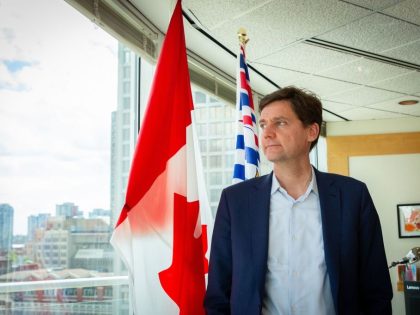
British Columbia’s social democrats, the New Democratic Party, have eked out a victory in the face of a right-wing populist surge that signals growing class dealignment. The party needs to win back its historic working-class base.