
America Can’t Build Homes Anymore
Cities stopped building not by accident but by design. Our housing system is constructed on scarcity, speculation, and private veto power.
Cities stopped building not by accident but by design. Our housing system is constructed on scarcity, speculation, and private veto power.

The teenager we know today came of age in the postwar era — but she owes her existence to the New Deal.

Using the enlistment crisis as justification, Project 2025 proposed measures for high schools that blur the lines between career guidance and military recruitment. The Trump administration seems likely to further embed the military in public education.

A recent string of revelations about abuses by the Junior Reserve Officers’ Training Corps presents an opportunity to rein in the military’s presence and power in public schools.
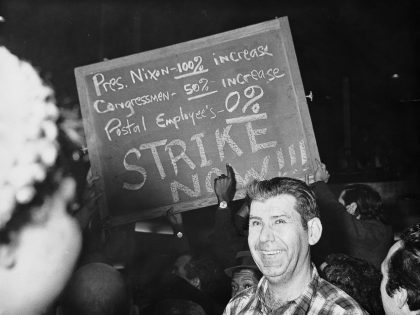
In 1970, US postal workers won collective bargaining rights with an illegal strike. If lawsuits to stop Trump’s attacks on the federal workforce fail, that kind of militancy may be the only way for federal workers to retain their own union rights.

Too many unions have responded to Donald Trump’s historic attacks on federal workers with little more than words. To beat back his anti-union assault, organized labor needs to break with decades of timidity.

The credit union motto is “people helping people.” Yet credit unions, like big banks, collect billions of dollars through excessive overdraft fees — and the Trump administration just made it easier for them to do so.
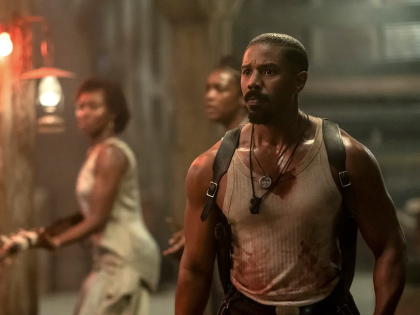
Ryan Coogler’s vampires ’n’ blues thriller Sinners is everything Hollywood tells us the masses don’t want: Set a hundred years in the past, it’s not a sequel, reboot, or adaptation of anything. And yet it’s a smash hit with moviegoers.

Elon Musk’s cuts may have “saved” the public less than half a percent of the national debt, but they are already making Americans poorer and sicker and forcing them to spend hours waiting on phone help lines.
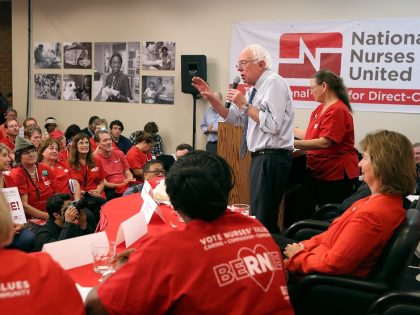
A look at recent bottom-up efforts to win endorsements for Bernie Sanders and mobilize trade unionists against Donald Trump offer insights into how the labor movement can better and more democratically engage its members in politics.

Discussions of whether Trumpism is fascist often lose sight of the political stakes of the issue. But like Italian and German fascism, MAGA reflects a political system failing to address capitalist crisis.

Joan C. Williams argues that progressives and leftists aren’t doomed to keep losing working-class voters — if they can stop dismissing the cultural principles that grant average Americans’ lives dignity.
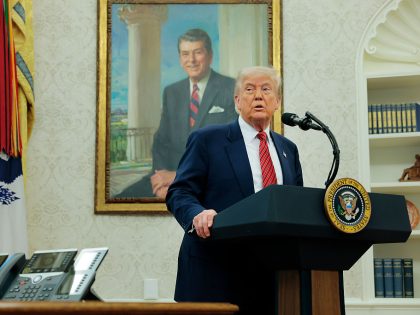
Donald Trump’s federal budget for 2026 would funnel more money to the Pentagon and the Department of Homeland Security — and proposes deep cuts to almost everything else.

With the passage of a $2 trillion stimulus bill, deficit-phobia appears to be waning in Washington. But it’s not because lawmakers have been won over to redistributive policies — it’s because they think the working class is too weak to set off inflation.

Karl Korsch was one of the most brilliant figures of interwar German Marxist culture before it was shattered by the rise of Nazism. His death in 1961 came just before the New Left began to rediscover his contribution to Marxist theory.
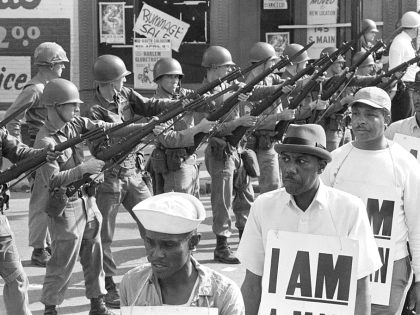
Donald Trump recently commandeered California’s National Guard to repress anti-ICE protests in LA. The National Guard has a long history of being deployed to break up protests and strikes, including violent repression of strikes by immigrant workers.

The world’s oldest president, Cameroon’s Paul Biya, is running for yet another term. Biya’s autocratic rule stems directly from a brutal colonial war France waged in the 1950s and ’60s while keeping it virtually hidden from the outside world.
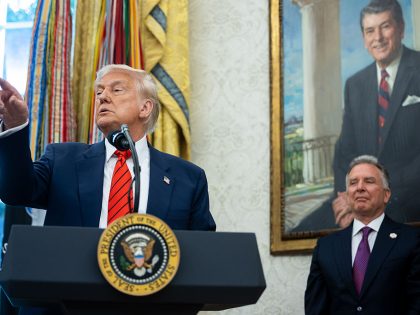
The people of Gaza are starving because of a man-made famine as Israel draws up plans for a full-scale military occupation. US government officials haven’t just turned a blind eye to the historic atrocities in Gaza — they’ve been cheering them on.
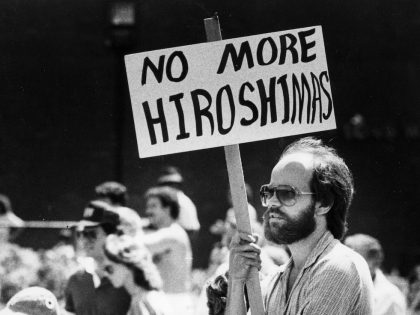
The labor movement has a key role to play in opposing the madness of a nuclear arms race and the possibility of nuclear war. In the 1980s, progressive unions did just that.
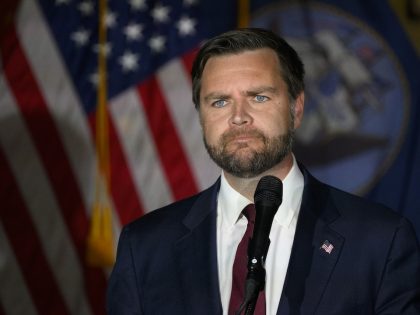
We’re seeing an alarming revival of archaic gender role ideas, from the manosphere’s remasculinization crusade to trad wives’ rejection of public life. Veteran historian of gender roles Stephanie Coontz explains the moment’s deep economic undercurrents.