The Left After Leave
Brexit offered the Left bad choices, and its aftermath has emboldened a racist right. What do we do now?
Brexit offered the Left bad choices, and its aftermath has emboldened a racist right. What do we do now?
Six months after the Australian Labor Party lost what was widely regarded as an unlosable election, the party released its internal review of the defeat. The document refuses to face the real reasons for the catastrophe, while proposing a potentially disastrous shift to the right.

The Liberal Democrats’ by-election victory in a seat long held by the Tories has fed talk of an electoral pact between Labour and the Lib Dems. But Labour needs to be rebuilt as a party of the working class — not just another brand of vaguely defined progressives.

The hysteria over Palestine protests on campus that is being ginned up to protect US support for Israel’s war is the beginning of a new Red Scare. Liberals must resist it, because it will come for them, too.

In recent years, a cavalcade of British liberals has taken to Twitter to denounce the supposed trans takeover. But as last week’s Labour Party conference showed, pushback against trans rights has also become a key weapon in the Blairite war against the Left.

Socialist filmmaker Ken Loach has released his final movie, about Syrian refugees finding their feet in an English working-class community. It makes it all the more grotesque that Loach’s political foes are trying to present him as a dangerous bigot.

As Keir Starmer’s Labour Party coasts toward power, its foreign policy discussion is all about being an outrider for Washington. As geopolitical conflict heats up, it wants to make Britain the US’s most implacable ally on the European continent.
In Britain, left-populist Green leader Zack Polanski has emphasized cost-of-living issues. While his party has won over parts of the working class alienated by Labour, broadening this base remains an uphill challenge.
It’s not enough for Labour leadership candidates to just say they’ll support radical policies. They need to prove they’ll fight for them — against big business, the political establishment, and the billionaire-owned press.
Die-hard opponents of Corbynism can look to the Australian Labor Party as a model of non-radical social democracy. That’s exactly why the party needs to change.
At the heart of socialism is the simple idea that everyone, no matter where they’re born, is worthy of a dignified life — and that the fate of workers everywhere is linked together. Turning our back on that idea by dropping our internationalism would be a grave mistake.

After years in the wilderness, first with Thatcherism, then with New Labour, both the Left and British director Ken Loach are just hitting their prime.
An interview with Greek MP Costas Lapavitsas on Popular Unity and the case for a progressive Grexit.
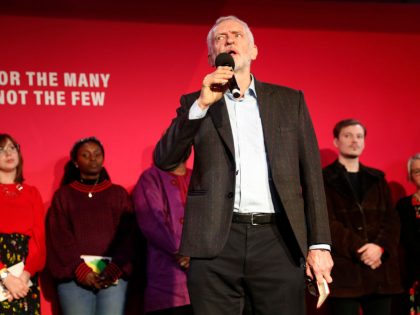
The exit polls from the British election are a devastating blow. Allowing the Tories to pose as the defenders of Brexit ensured defeat — and has handed historic Labour areas over to the party of bosses and landlords. But with resolute socialist organizing, we will have another shot at power.

The rush to condemn Ilhan Omar says more about the vacuousness of our political discourse than the supposed bigotry of her comments.

Jess Phillips’s brief but disastrous bid for the Labour Party leadership is a cautionary tale for substanceless centrists in politics: just because pundits and TV hosts love you doesn’t mean anybody else will.
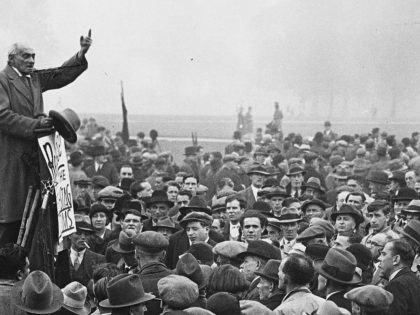
The Social Democrats have collapsed. Die Linke is divided. Will the German left ever be able to contend for power?
Equating the Sanders and Trump campaigns is meant to obscure their real political differences and defend the neoliberal consensus.
The Sanders campaign isn't the end of the line. We can use its momentum to unite movements and build broad support.
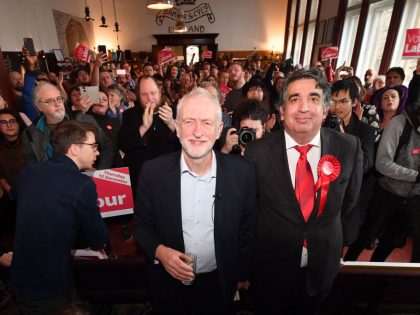
Margaret Thatcher crushed the British labor movement and pushed the Left into a deep identity crisis. But today, socialism is back on the agenda — and Labour has the chance to impose a new political consensus.