The Primary Contradiction
China’s leftist revival is overstated. The country’s new “Maoists" cede too much ground to nationalism and the market.
China’s leftist revival is overstated. The country’s new “Maoists" cede too much ground to nationalism and the market.
Two years after the Charlie Hebdo massacre, we consider the origin and trajectory of the publication.

On June 27, French police murdered Nahel Merzouk, a 17-year-old boy of Algerian and Moroccan descent. Rather than treating the incident as an opportunity for introspection, French police have rebelled against all attempts to be held accountable.
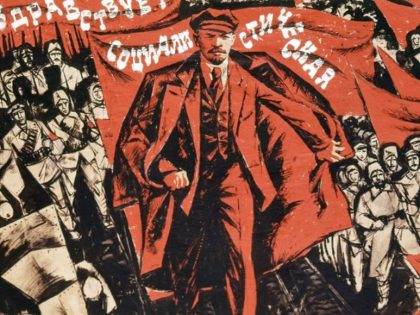
Between world wars and a crippling civil war, the Russian Revolution fought to change history.
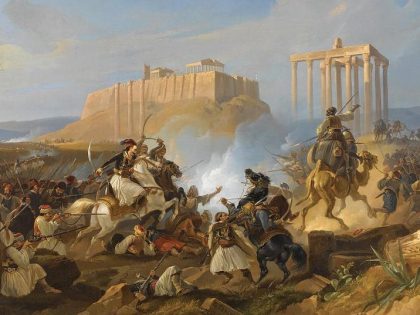
Today marks 200 years since the beginning of the Greek Revolution. The uprising secured Greece's national independence — but also expressed the anti-imperialist and democratic vision carried by a global revolutionary movement, from France to the black Jacobins in Haiti.
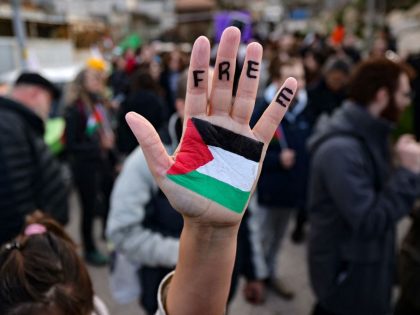
The Israeli state and its allies have campaigned tirelessly to promote the misleading concept of the “new antisemitism.” This effort brands effective, well-documented criticism of Israel as antisemitic while sowing confusion about real anti-Jewish prejudice.
Community college professor Michael Phillips spent the past year speaking out against a right-wing “purge” of progressive faculty at his college. Then he was fired.
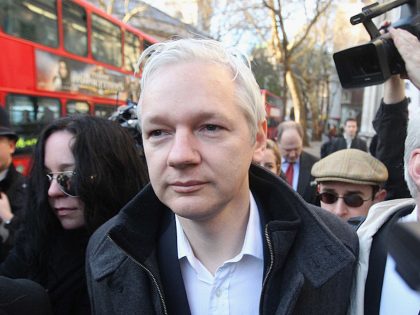
Monday's court ruling against extraditing Julian Assange to the United States is a welcome relief for his supporters. But the court also rejected his defenses on the grounds of journalists' rights to seek and impart information — a ruling that will further thwart scrutiny of the national security establishment.
The politics of The Hunger Games series aren't as revolutionary as they've been hyped to be.
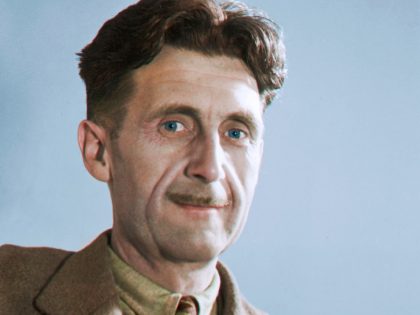
The term “Orwellian” has long been a vacuous cliché, and now even allies of Trump are making use of it to deride their opponents. But George Orwell, a self-described democratic socialist, always belonged on the Left.
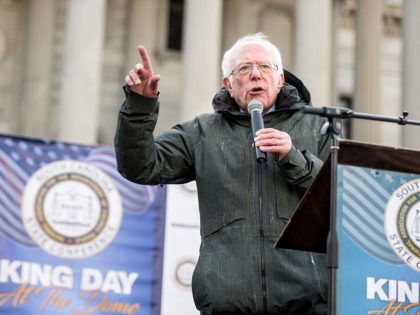
When Bernie Sanders compared wage labor to slavery in the 1970s, he wasn't equating the two. He was drawing on an emancipatory tradition, encompassing everyone from Frederick Douglass to Eugene Debs, that sees wage labor as shot through with subjugation — and insists on the need to democratize the workplace.
On violence and democracy.
Today in 1918, Eugene V. Debs delivered the speech that landed him in jail. We reprint it here in full.
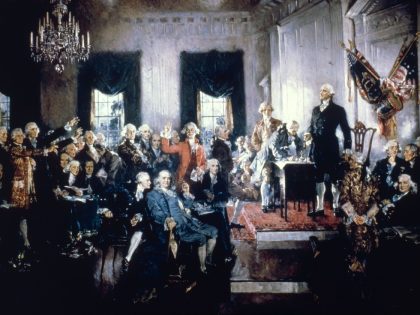
Early US elites drafted the Constitution to check democratic uprisings that threatened the power of the ruling class. The Bill of Rights, a late addition to the Constitution that protected important freedoms, was a concession to these popular struggles.

Historian Omer Bartov spoke to Jacobin about why scholars of the Holocaust are struggling to talk frankly about Israel’s genocide in Gaza.

Economist Daron Acemoglu wants liberal democracy to connect with working people’s material interests and political power. His case for institutional renewal should be taken seriously, but it needs a fuller account of class, war, and worker organization.
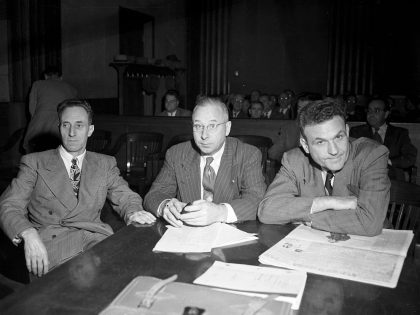
Across the 20th century’s two red scares in the US and Canada, the Wobblies and Communist-aligned unions faced fierce repression from employers and government. They were targeted because they were seen as posing a real threat to the capitalist social order.
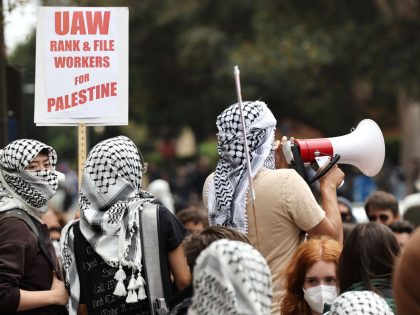
The United Auto Workers’ Brandon Mancilla explains why his union has continued to oppose the genocide in Gaza, why slaughter abroad is tied to workers’ decline in living standards at home, and the union’s pushback to Donald Trump’s war on higher education.
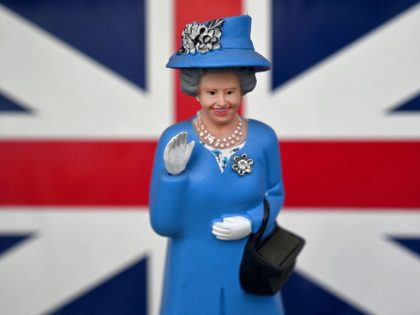
Conservatives on both sides of the Atlantic love Britain’s monarchy because “royals” are emotionally potent mascots of extreme inequality and deference. There’s no reason this heinously undemocratic institution should exist.