The Russian Revolution Reconsidered
Between world wars and a crippling civil war, the Russian Revolution fought to change history.
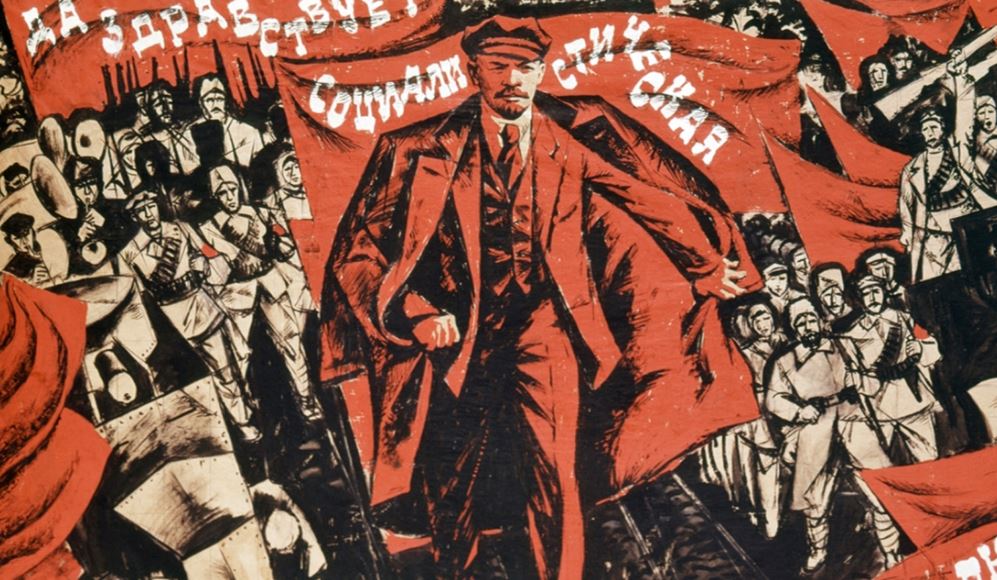
Wikimedia Commons
Of the numerous books and articles published on the occasion of the one hundredth anniversary of the 1917 Russian Revolution, S. A. Smith’s book Russia in Revolution: An Empire in Crisis 1890-1928 stands out as one of the most comprehensive and informative treatises of that period. In this ambitious volume, Smith, a major historian of Russia, sets out to explain how the 1917 Bolshevik Revolution, inspired by a radical democratic and egalitarian spirit, degenerated into the Stalinist totalitarian regime.
His book presents a panoramic and in-depth view of Russia’s epoch-making events in the years 1890-1928. It is a rich historical survey encompassing the older literature and the latest scholarly research based on the historical archives made available in the post-Soviet period. As the historian Ronald Grigor Suny pointed out, Smith “wrestled the events and personalities, policies and mass politics of the year 1890s to 1928 into a coherent and compelling story of the entrance of ordinary people onto the stage of history and the brutal, violent descent of Russia into dictatorship.” In light of the book’s vast material, this article will focus on the issues and events most widely discussed in political debates.
Background to the 1917 Revolutions
Starting with the Russian empire’s social and economic structure immediately prior to 1917, particularly its class system, Smith describes an industrializing society with the majority (80 percent) of the population constituted by peasants still carrying the memory of their serfdom and bitter about the exploitative conditions of their emancipation in 1861 by Emperor Alexander II, mostly their being forced to pay, and to pay above market value, for the land they received.