India’s Post-Ideological Politician
The catch-all populism of Arvind Kejriwal and the Aam Aadmi Party has proven politically expedient in India.
The catch-all populism of Arvind Kejriwal and the Aam Aadmi Party has proven politically expedient in India.
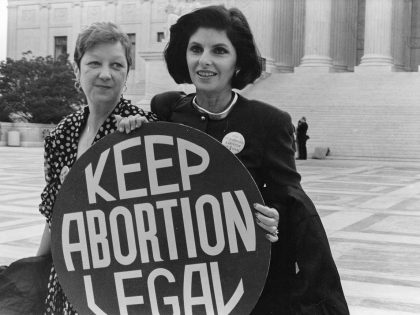
The news broke this week that Jane Roe, the plaintiff in Roe v. Wade, was paid by the anti-abortion right to publicly switch sides later in life. But while the news is shocking, we shouldn’t lose sight of the fact that no single person was responsible for the partial victory of Roe — it takes collective action to win social change.

Rahm Emanuel recently argued that states should be able to opt out of a $15 minimum wage. He’s being rewarded for it with a keynote speaking slot at an event organized by the National Restaurant Association, one of the key opponents of a minimum wage hike. Why won’t Rahm go away?

A consensus is growing that the worldwide post–9/11 “forever war” must come to an end. But that goal is in danger of being watered down to the point of meaninglessness by politicians and think tanks still in thrall to the national security state and its war on terror.
The Sanders campaign has been driven by class politics, not white male angst.
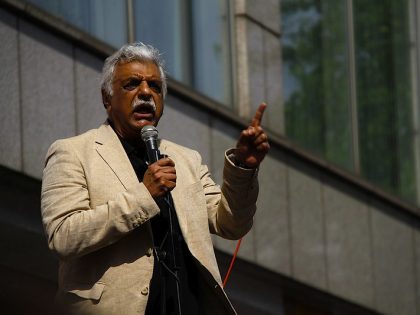
Despite four decades of imperial interventions, the United States was defeated in Afghanistan. Tariq Ali explains the long history of meddling in Afghanistan — and why the US's defeat will set back the broader project of American military supremacy.

The Middle East is a complicated place. But the worst way to understand it is through the lens of “tribalism.”
How indigenous people and the Left can continue to win in the wake of Standing Rock.

Joe Biden has nothing to offer workers of any race. He’s a corporate hack with a phony blue-collar veneer.

For roughly half a century, a certain strain of American evangelical theology has taught millions of believers to read conflicts like Trump’s war with Iran not simply as geopolitics in action but as prophecy unfolding in real time. I was one of them.
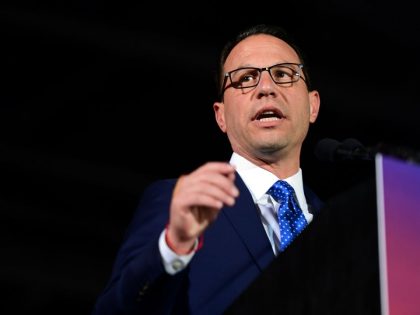
If Democrats survived this week’s midterms because they increased their share of wealthier voters, it’s a bad omen for building a working-class coalition around left-wing politics. Something needs to change.

While Boris Johnson’s Conservatives rely on a narrative that nothing could possibly get better, the transformative project of Corbynism rebuffs this cynicism — and isn’t afraid to speak in terms of hope.

The growing conflict between Nancy Pelosi and representatives like Alexandria Ocasio-Cortez isn’t a clash of personalities — it’s a clash of worldviews.

Trump's recent flurry of executive orders on “anarchist jurisdictions” and diversity training have him moving hard to the right to shore up his base — but, perhaps more worryingly, moving further left to keep Americans from losing their homes during a crisis than Obama did.

Despite lofty ambitions, four years of professional-managerial approaches to governing moved the Democrats even further away from their New Deal roots.

Revelations about McKinsey’s grotesque actions to further the opioid epidemic should remind us how closely entwined the company is with the Democratic Party. We should work toward a day when McKinsey’s presence on your résumé is as disqualifying as a gun manufacturer or a tobacco company.

Unions are pushing Congress to pass the most comprehensive labor law reform bill in decades, the Protecting the Right to Organize (PRO) Act. What exactly would it do? We spoke to a labor lawyer about how the act would help workers organize unions — and strengthen the power of those unions once they’re organized.
The US brags about its commitment to democracy. But its interventions have yielded death and despotism for the Middle East.

Within the Democratic Party, institutions created during the New Deal and civil rights era have acted as barriers to insurgents on both the right and left.

Behavioral economics dangerously denigrates the rationality of ordinary people.