Search Result(s) for: “Los Angeles”

Remind Me Never to Watch the Oscars Again
The Academy Awards were even more of a shitshow than usual this year. This is Jacobin’s last Oscars article, because we will find better things to do with our lives than watch that garbage.
How Nativism Went Mainstream
California is often held as a deeply progressive state. But three decades ago, it was the launchpad for a virulent strain of anti-immigrant politics that soon spread nationwide.

“Cops Are at War Out There”
A culture of racism, paranoia, and authoritarianism permeates American police departments. Piecemeal reform won't be enough.
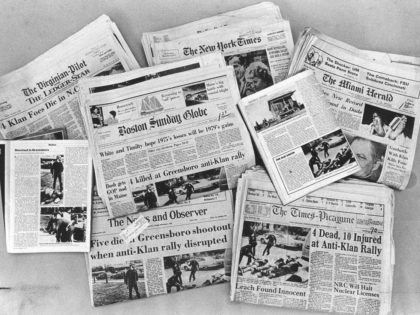
Fighting the Klan in Reagan’s America
The KKK was on the march in the 1980s. What strategies worked to stem their rise?
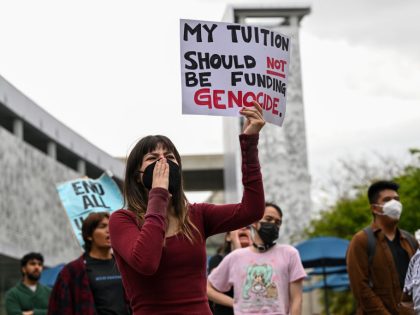
University Endowments Suppress Dissent by Design
Endowments are meant to insulate universities from politics. But far from being apolitical, the arrangement prioritizes the whims of the market, the authority of financial experts, and the preferences of donors over the concerns of students and faculty.
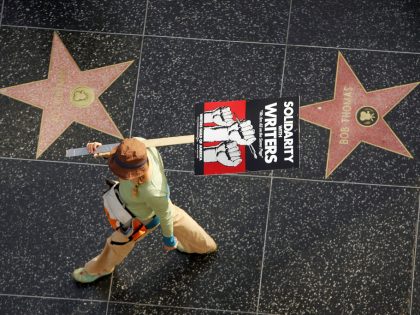
TV and Film Writers Are Getting Ready for a Strike
Members of the Writers Guild of America, which represents more than 11,000 television and feature writers, have voted almost unanimously to authorize a strike. The work stoppage could begin as soon as their contract expires on May 1.

Wallowing Into War
After October 7, Israel embarked on an unprecedented massacre. The new book 10/7 — with an afterword by novelist Joshua Cohen — longs for the moment when it was Israel that had the world’s sympathy.
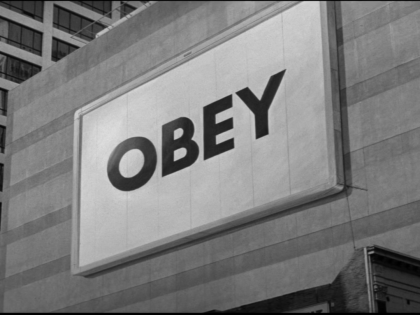
They Live Is a Timeless Anti-Capitalist Horror Classic
It’s never a bad time to revisit John Carpenter’s 1988 classic They Live, a hilarious sci-fi thriller that skewers the inequality of the neoliberal era and offers an iconic depiction of capitalist ideology.
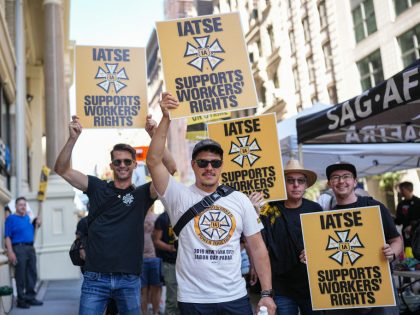
Hollywood Unions Are Back at the Bargaining Table
Two major strikes by Hollywood writers and actors dominated headlines last year. Only months after the strikes’ end, contract negotiations are now underway for the entertainment industry’s crew members — and the possibility of a strike is not off the table.

Your Therapist’s Notes Could Become Fodder For AI
Tech companies are marketing AI-based note-taking software to therapists as a new time-saving tool. But by signing up, providers may be unknowingly offering patients’ sensitive health information as data fodder to the multibillion-dollar AI therapy industry.
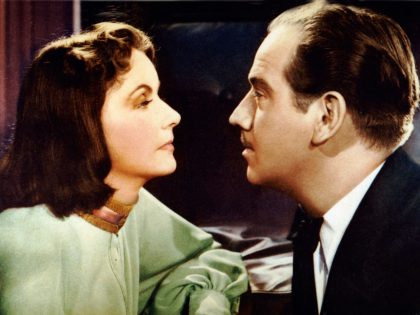
When Greta Garbo Played a Soviet Agent
Today marks the anniversary of Greta Garbo’s death. The 1939 movie Ninotchka gave her a breakout comedy role — but also reflected the grim mood in Hollywood as Europe headed to war.
Ending the Violence
Genuine public safety and social justice will come from projects that build popular consensus and organize for real power.
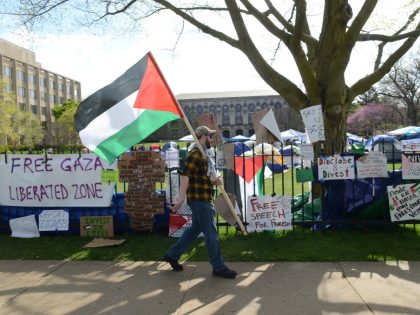
How Labor Can Aid the Student Movement for Palestine
Despite heavy repression, campus protests in solidarity with Palestine have been spreading like wildfire across the US. The support of organized labor can help the movement grow — and increase its leverage to achieve its demands.

Dirty Work Shows the Toll Bad Jobs Take on the People Who Do Them
Capitalism has created a world full of bad and brutal jobs, from meatpackers to drone operators. Capitalists created these jobs — only organized workers can get rid of them.
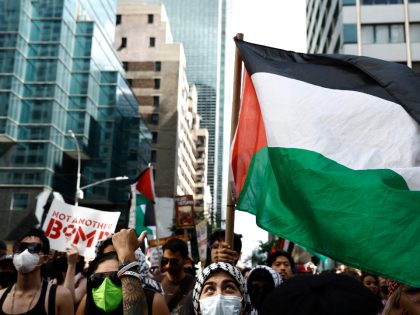
The Left’s Proud Legacy of Defending Free Speech
Throughout US history, left-wingers have often suffered harsh repression of their civil liberties, which is why they were at the forefront of fights to defend free speech. It’s a proud tradition that the Palestine movement must carry on today.
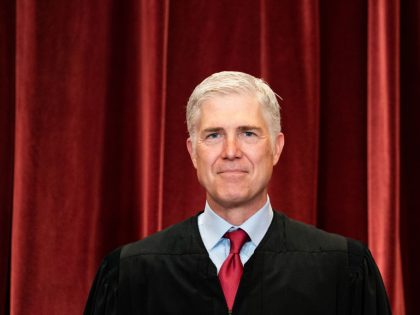
Neil Gorsuch’s Big Oil Pals Are Targeting Green Legislation
An oil giant linked to Justice Neil Gorsuch is pressing the Supreme Court to allow a crude oil train to run perilously close to a key water source for 40 million people. At stake in the case are foundational environmental laws protecting the Southwest.
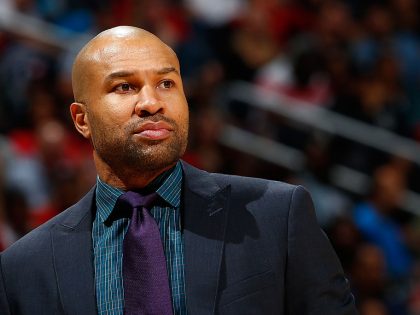
Derek Fisher Is a Bad Guy
Former Lakers star Derek Fisher is now the most parasitic of capitalists, working to rob fellow athletes of cash.
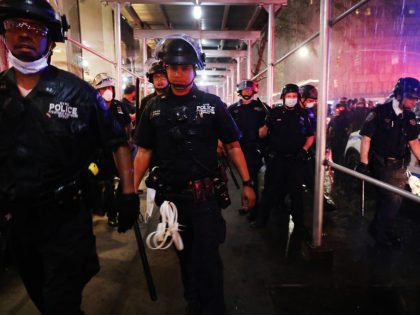
In Cities and Towns Across the US This Week, the Brutal Police Riot Has Continued
We're witnessing a national police riot that hasn't showed any signs of slowing. The instances of brutal police violence against protesters are so numerous that it's hard to keep track of them all — but here are some of the worst abuses we've seen.
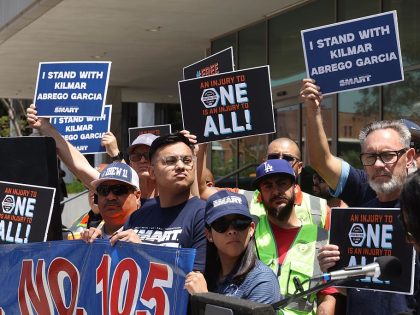
Building Trades Unions Are Split in Their Response to Trump
The Trump administration is attacking jobs and wages in the building trades, as well as the rights of immigrant workers. Building trades unions have been divided over whether to try to curry favor with the president or confront the attacks head-on.