
The Rise of the Degrowther Right
A new conservative environmentalism that blends anti-modernism with nationalism and austerity is spreading across Europe.
A new conservative environmentalism that blends anti-modernism with nationalism and austerity is spreading across Europe.

For decades, a technocratic approach has predominated within the environmental movement. Adam Hanieh, an expert on oil and Middle Eastern history, argues that solutions to the climate crisis must also confront capitalism and imperialism.

Noam Chomsky’s best-known political contribution is his powerful, long-running critique of US foreign policy. But Chomsky has also used his global platform to sound the alarm about the climate crisis and chart a path away from disaster.

In an interview with Jacobin, Colombia’s former energy minister outlines left-wing president Gustavo Petro’s plan to make the rich nations that profit from its extractive economy help pay for its green transition.

The floods that hit Spain last year were more than just a natural disaster. They were exacerbated by housing developers who built homes in the most flood-prone areas.

Ukraine’s energy infrastructure is a major Russian military target. But the system also faces another enemy: climate disasters putting ever more strain on the power grid.

Canada’s climate plans are a PR front for a carbon-export economy: its oil sands are distorting the economy and derailing any hope for transition. The country’s upcoming election reveals how far leaders are from reversing course.

Donald Trump’s attacks on environmental regulation and the administrative state are part of a right-wing class war — one that pits patriotic citizens against perceived liberal experts defending what’s left of the New Deal order.

Concerned to increase the supply of housing and improve infrastructure, some on the Left have come to embrace the “abundance agenda.” But what capital needs is discipline, not deregulation.

The New York City mayoral campaign of Zohran Mamdani is focused on lowering the cost of living. It can serve as a blueprint for progressives seeking to embed climate action in real improvements for working peoples’ everyday lives.

To build Colossus, Elon Musk’s pollution-spewing AI data center in Memphis, Musk used gag orders to silence city officials and bypass input from residents, whose asthma rates have since soared. Now Musk wants to take this strategy national.
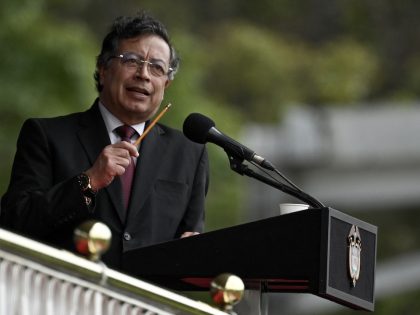
Colombia’s energy transition is not just playing out in policy papers — it’s unfolding in oil fields, coal towns, and courtrooms. Jacobin spoke with engineers, unionists, and President Petro himself about trying to realize a post-extractivist economy.

Abby Martin’s new documentary feature, Earth’s Greatest Enemy, takes stock of the US war machine’s environmental damage, tracing a devastating landscape of destruction from poisoned military bases to melting Arctic horizons.

Billionaire Bill Gates says we should back away from urgent emissions cuts and bet instead on tomorrow’s tech. But unless that innovation is democratically controlled, it will serve the same interests that caused the climate crisis in the first place.

In Valencia, Spain, the right-wing regional president has quit over the mishandling of floods that killed 229 people. While institutional failures forced his resignation, they’ve also fed support for Vox, a far-right party that opposes action on climate change.
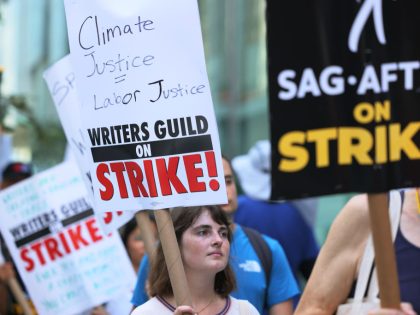
Young people looking to fight climate change should consider jobs in strategic industries to organize new unions or revitalize old ones and advocate for green, pro-labor policies. The fight for a livable future can’t be won without organized labor.
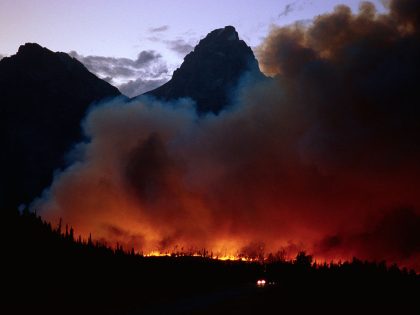
In The Long Heat, Andreas Malm and Wim Carton take aim at what they call rationalist-optimists — people who naively believe that market solutions can fix the climate crisis. But their sweeping critique runs the risk of abandoning all hope in the future.

The Czech Republic’s new environment minister is leader of a pro–fossil fuel party called Motorists for Themselves. It’s part of a right-wing backlash in Europe, moving to kill off the EU’s Green Deal.
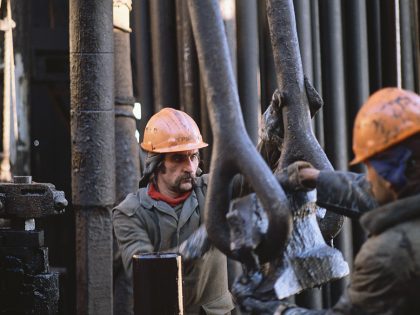
Jean-Baptiste Fressoz’s dizzying history of energy consumption argues that no energy transition has ever occurred: each generation consumes more of past fuels. Not only are his claims ahistorical but they justify an unwarranted pessimism about the future.

The UN is putting refugees to work in poorly paid green jobs to generate carbon credits for billion-dollar firms. It’s one of the most cynical instances of a corporate greenwashing agenda that has done little to address climate change.