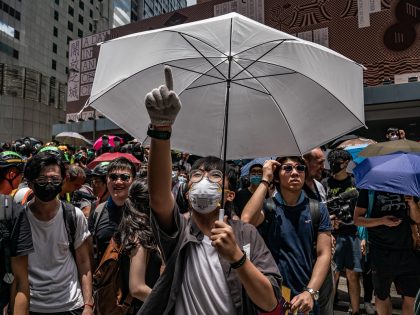
“Hong Kong’s Last Battle”
Protesters in Hong Kong are still clogging the streets en masse. Their task: to face down not just the authoritarianism of the Chinese Communist Party but the self-dealing of Hong Kong capitalists.
Protesters in Hong Kong are still clogging the streets en masse. Their task: to face down not just the authoritarianism of the Chinese Communist Party but the self-dealing of Hong Kong capitalists.
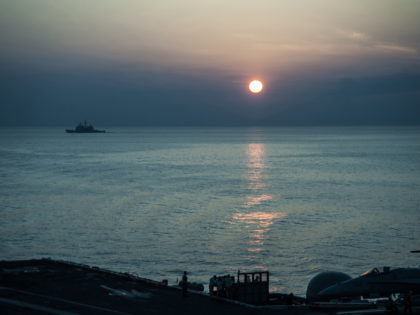
Donald Trump came to Washington vowing to take on the foreign policy establishment. But Beltway elites have mostly gotten their way.
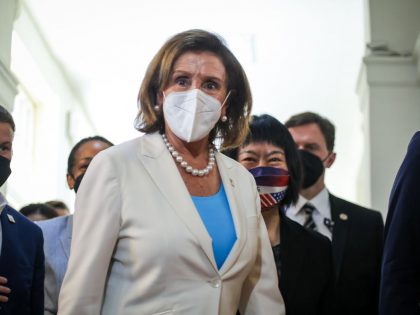
Nancy Pelosi is in Taiwan. The trip will accomplish nothing except ratcheting up tensions with one nuclear-armed superpower while the United States is already in a proxy war with another.
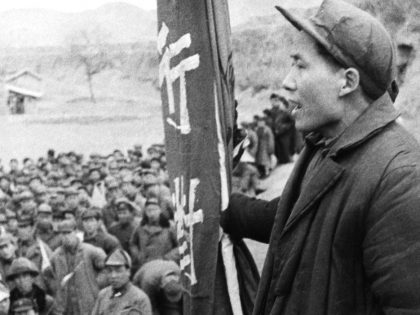
The Chinese Communist Party turns 100 as a party of power in one of the world’s most important states. It’s been a long road from the CCP’s early years as a band of revolutionary outlaws that narrowly escaped obliteration by its enemies.
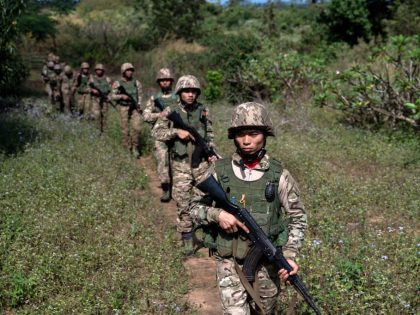
Three years since a coup restored full military rule in Myanmar, armed rebels are on the offensive. The country’s civil war is often painted in terms of ethnic strife — yet the opposition forces alone uphold the hope of an inclusive democracy.
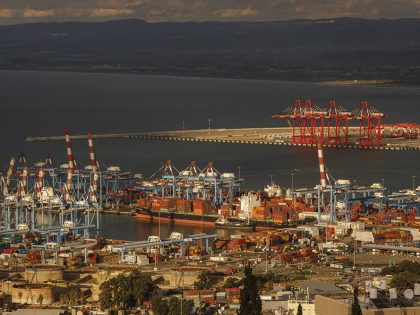
For the last two years, Washington and its allies have sought to consolidate influence in the region. This bid for hegemony is coming up against a new force: Chinese capital.
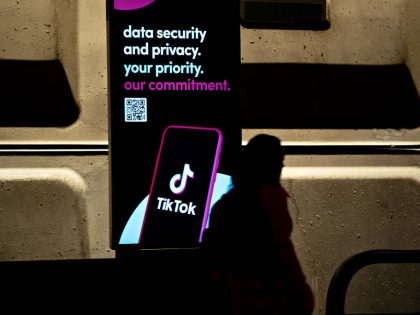
After decades of justifying tech expansion on the basis of free speech, US policymakers threatening to ban Chinese-owned TikTok are now changing their tune. The about-face reveals their real objective: preserving the dominance of American tech capitalists.
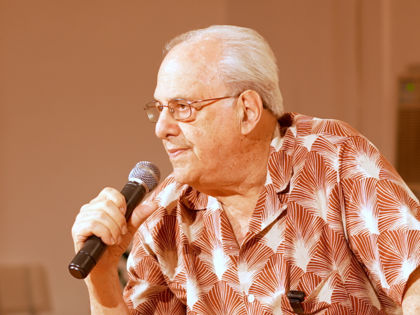
As American hegemony falters and a new global order emerges, Richard Wolff argues the crises around Iran and the Strait of Hormuz reveal capitalism entering another era of historic upheaval — and the need for a socialist alternative.
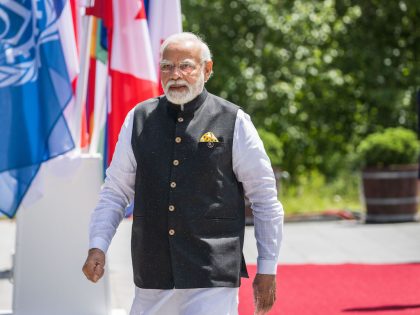
Bastille Day is meant to be about freedom, equality, and brotherhood. But this July 14, Emmanuel Macron is rolling out the red carpet for India’s far-right premier — showing how little France’s military alliances conform to its supposed values.
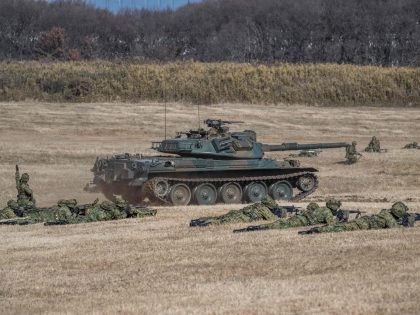
The specter of war in the Asia-Pacific is leading to a gloomy cynicism. But the Australian working class has influenced debates on war before — and won peaceful outcomes.
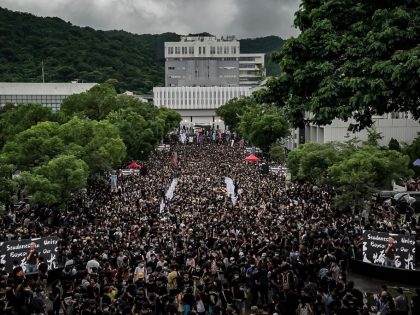
Hong Kong's government just withdrew the anti–civil liberties bill that set off massive, rolling protests and convulsed the city for months. But the political crisis is bigger than one measure — and protesters could be emboldened to push for even more.
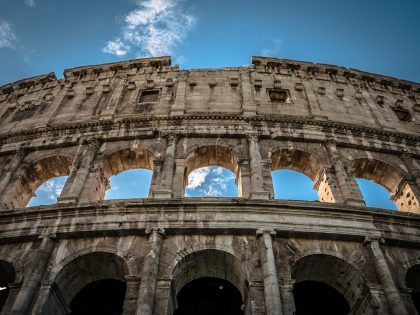
Historian Walter Scheidel claims to have found the surprising secret of Europe’s rise to world domination: the collapse of the Roman Empire. Scheidel’s work is an impressive, globe-trotting feat of scholarship, but his argument ultimately fails to convince.
Upon its launch ten years ago, Germany's Industry 4.0 program promised a fourth industrial revolution changing the way we work. Yet for all the talk of novelty, it followed age-old capitalist imperatives: using labor-saving technology not to lessen our workload but subject us to even tighter workplace discipline.
The resumption of US – Cuban relations is a real victory. But Cuban workers face renewed economic liberalization with little political opening.
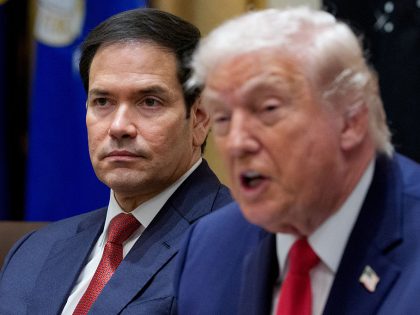
The new oil blockade makes explicit what US policy has long denied: that economic warfare against Cuba targets civilians in the name of “regime change.”
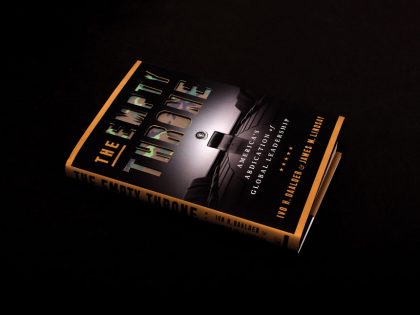
The foreign policy establishment is responding to Trump-era brutalities by demanding more, not less, aggression and empire.

We went looking for our favorite Obama and Clinton campaign alums. We found them in corporate America.
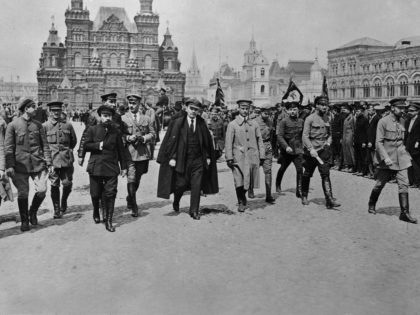
The story of November 7, 1917 — the day the Bolsheviks changed world history.
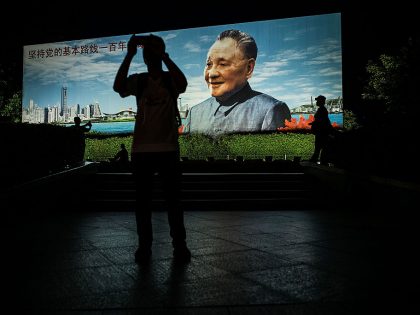
Deng Xiaoping was one of the most important Communist leaders of the twentieth century. Celebrated by the West for his pro-market reforms, leftists should be more skeptical of his accomplishments.