
Marxists Changed How We Understand History
Marxist historians in Britain — like E. P. Thompson and Eric Hobsbawm — sparked a revolution in understanding the role of working people in making history. Their work is still fresh and vibrant today.
Marxist historians in Britain — like E. P. Thompson and Eric Hobsbawm — sparked a revolution in understanding the role of working people in making history. Their work is still fresh and vibrant today.

Last last month, dramatic images of Chinese workers jumping over fences at the electronics giant Foxconn’s factories and walking home grabbed headlines. Despite China’s lack of independent trade unions, the workers took collective action and refused to work.

Faced with job losses, oil workers in Trinidad and Tobago put forward a plan for worker ownership. Their fight shows how workers in fossil fuel industries can play a central role in reorienting production to social need.

From Israel to Brazil, violent far-right forces have taken up the language of “landlords” defending their threatened property. Their war on the dispossessed is built on a simple claim: we own this country, you only live here.
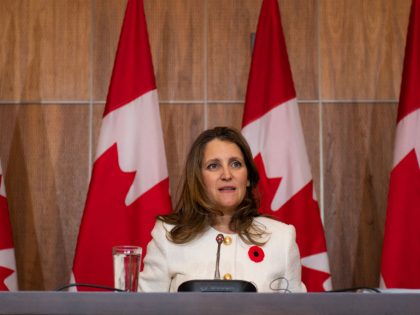
Other than suspending student loan interest, Canada’s fall economic statement promises next to nothing for workers. Bloodless technocratic tinkering is never enough, but during times of crisis, leaving structural change off the table is indefensible.
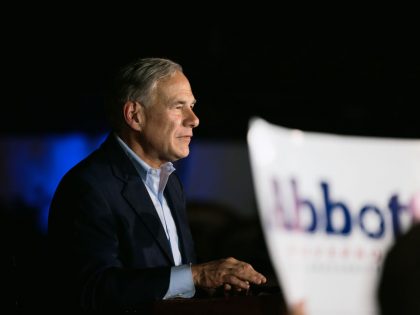
Texas governor Greg Abbott has forever changed the state’s politics. To undo the damage he has caused, we can’t rely on top-down initiatives. We need a working-class alternative.
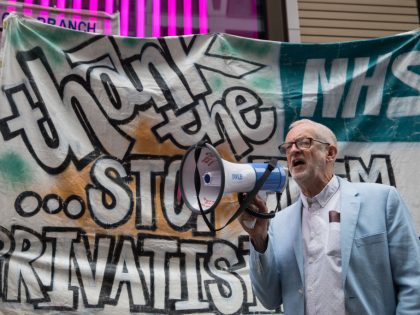
Dementia is the leading cause of death in the UK, and the country’s care sector is in crisis after years of austerity and privatization. That’s why former Labour Party leader Jeremy Corbyn says that the UK needs a National Care Service.
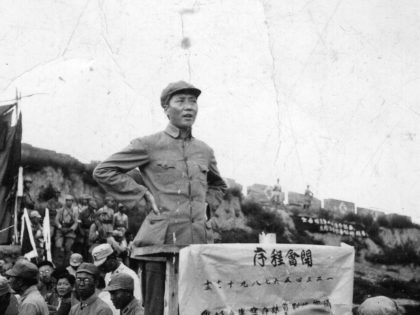
In the 1920s, China’s Communist Party retreated from the cities to the countryside to wage a protracted guerrilla war. This long separation from the Chinese working class fostered an autocratic culture that went on to shape the party’s rule over China.
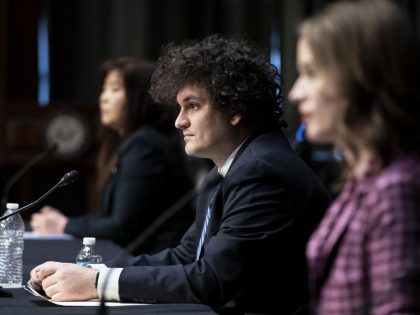
Sam Bankman-Fried, founder of FTX cryptocurrency exchange, rose swiftly as a Democratic mega-donor, rubbing shoulders with elites as he lobbied for crypto-friendly regulation. With FTX collapsing now, it’s clear his politicking demanded scrutiny long ago.
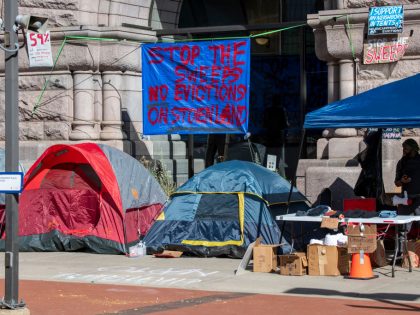
When housing is a profit-making venture rather than a human right, we’re perpetually stuck in an evictions crisis. Right now, that crisis is particularly dire. But it doesn’t have to be this way.
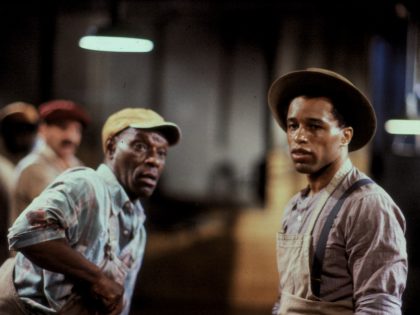
Few films capture the difficulties of interracial working-class organizing as well as the 1984 movie The Killing Floor, a drama about black slaughterhouse workers attempting to build a union with white ethnic coworkers in Chicago’s World War I–era stockyards.
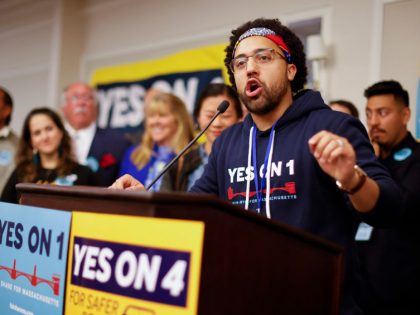
Voters in Massachusetts just ratified the Fair Share Amendment, which taxes income above $1 million to fund public services. A broad coalition of labor and community groups took on billionaire money and won.