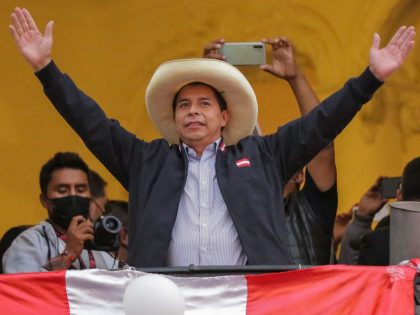
Left-Wing Trade Unionist Pedro Castillo Will Be President of Peru
Peru was the birthplace of neoliberal populism under Alberto Fujimori. Now Pedro Castillo, a socialist trade unionist from an indigenous background, has won its presidency.
Nicolas Allen is a commissioning editor at Jacobin and a PhD student in Latin American history at Stony Brook University (SUNY).
Peru was the birthplace of neoliberal populism under Alberto Fujimori. Now Pedro Castillo, a socialist trade unionist from an indigenous background, has won its presidency.
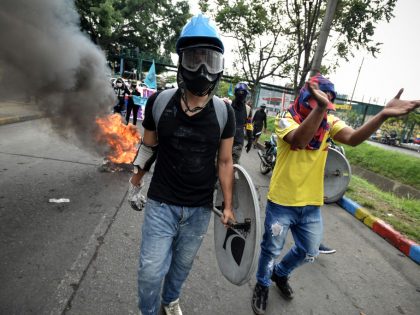
A popular protest movement is winning a war of attrition against Colombia’s authoritarian and neoliberal government. We talk to activist leader Jennifer Pedraza about how they're coordinating the upheaval and the challenges ahead.
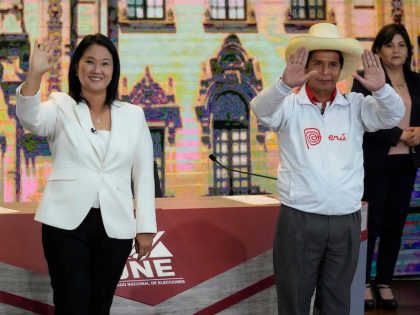
Peru heads for presidential elections on Sunday, when voters will have a choice between two very different candidates: left-wing trade unionist Pedro Castillo and far-right politician Keiko Fujimori.
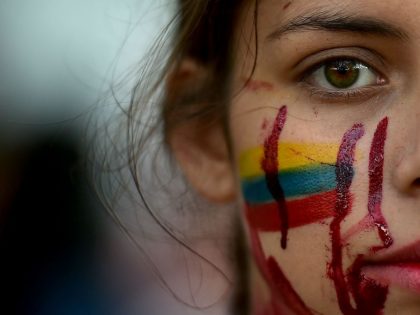
For weeks, Colombians have remained in the streets challenging their nation’s violent social and economic model.
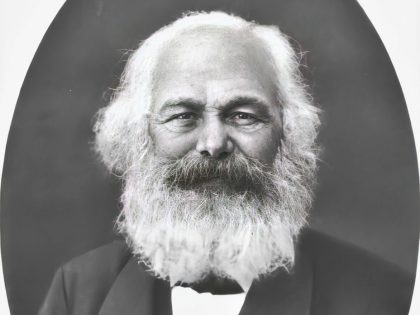
Karl Marx’s final years of life are often overlooked as a period of intellectual and physical decline. But his thought remained vibrant to the end, as he addressed political questions that are still relevant to us today.
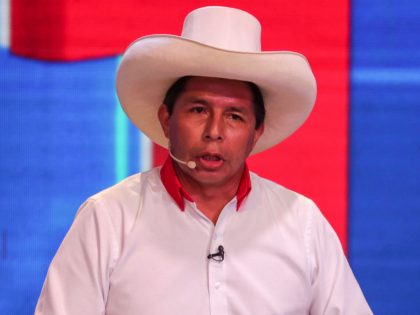
Fujimorismo is the glue holding together right-wing politics in Peru. In the second round of the country's elections, trade unionist Pedro Castillo has the potential to destroy it. But he’ll have to unite the Left first.
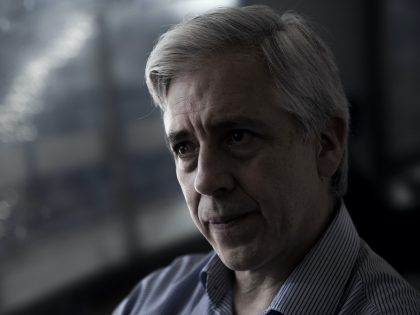
Former vice president of Bolivia Álvaro García Linera sat down with Jacobin to discuss socialist strategy, how the Left can mobilize against antidemocratic forces like the right-wingers who recently executed a coup in Bolivia, and why democratic socialism means an "overflowing of democracy."
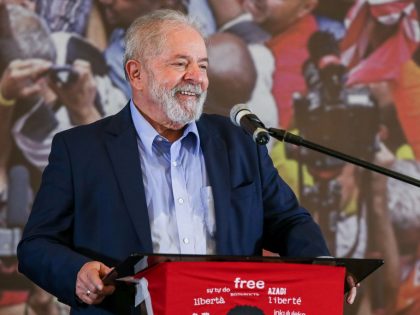
With former Brazilian president Lula da Silva now eligible to run in next year’s election, Jair Bolsonaro’s grip on power is looking weaker than ever before. Amid the tide of reaction, Lula’s return means there is finally some hope for democracy and social justice in Brazil.

After years of militant struggle from feminists, Argentina is now poised to legalize abortion rights. With the upper house expected to pass the abortion bill today, nineteen-year-old legislator and activist Ofelia Fernández spoke to Jacobin about the dynamism of Argentina’s Green Tide activism and what comes next.
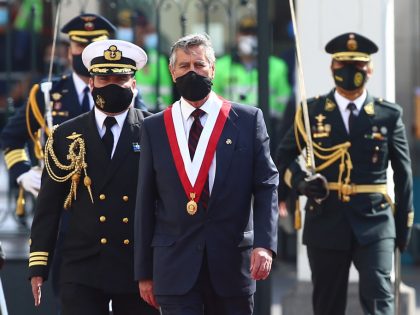
Last month, Peruvians took to the streets to protest the seizure of the country’s presidency by the far right after a questionable impeachment, with the likely intention of holding the office past next year’s elections. We spoke to Verónika Mendoza, left-wing presidential candidate for Juntos por el Perú, about the mass protests and the possibility of scrapping the country’s dictatorship-era constitution.
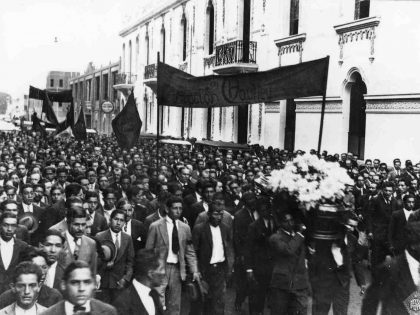
José Carlos Mariátegui was Latin America’s most original revolutionary thinker, who combined Marxist analyses with the vernacular of regional popular movements. Ninety years after his premature death, his work is strikingly relevant.
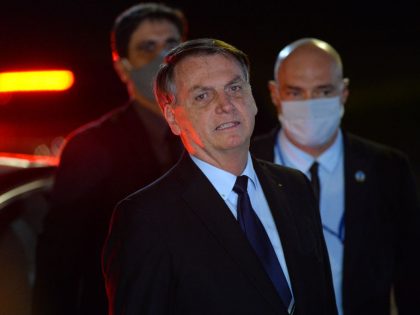
With Jair Bolsonaro at the helm, Brazil’s democracy is in crisis. Veteran of the Brazilian left and the armed struggle against the dictatorship, and a principal strategist of the Workers’ Party, José “Zé” Dirceu spoke to Jacobin about the need for a broad front coalition to defeat Bolsonarismo.
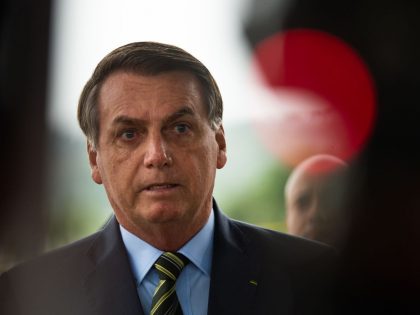
Jair Bolsonaro is still refusing to implement basic isolation measures to protect Brazilians against the onslaught of COVID-19, hurtling the country toward disaster. Now his negligence is feeding widespread dissent, and even his former allies are calling for the far-right leader’s removal.
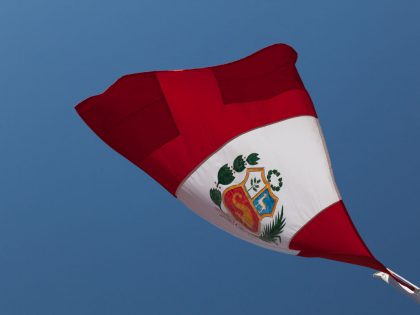
Peruvians vote today in crucial parliamentary elections. But the future of the country relies not just on fighting corruption, but taking on the powerful corporate interests that dominate the country.
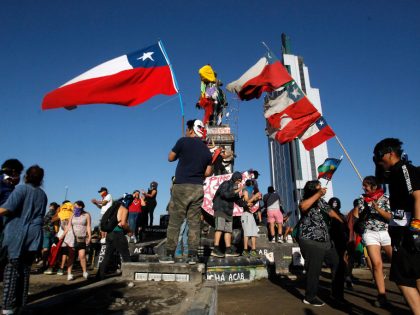
After weeks of unrest in Chile, Sebastián Piñera's government has finally agreed to a process of constitutional reform. It's a historic opportunity, won by millions of Chileans taking to the streets, to step out from the long shadow of Augusto Pinochet’s dictatorship.
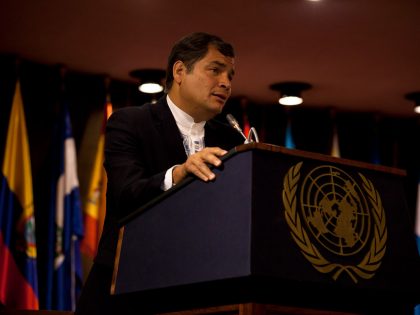
In an exclusive interview, Ecuador’s former president Rafael Correa spoke to Jacobin about the coup against his ally Evo Morales in Bolivia and the mass resistance to his rightward moving successor Lenín Moreno in Ecuador.
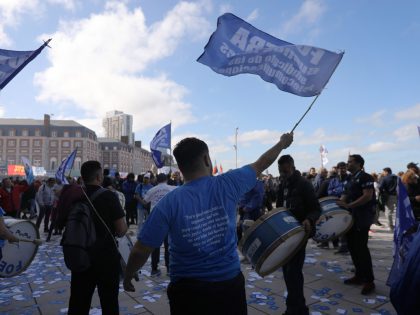
Mauricio Macri’s time in power was an unmitigated disaster for working people in Argentina. As the country votes today, it’s time to completely reject his failed neoliberal politics.
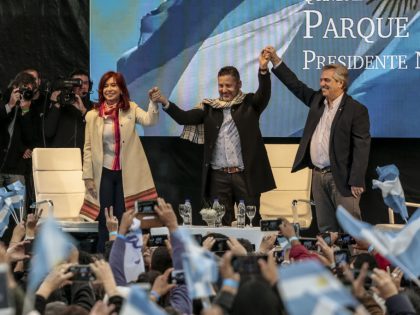
Argentina's recent elections have set the country's right on the path to defeat. But that won't immediately put the working class back in the driver's seat — much greater mobilization is needed for that.
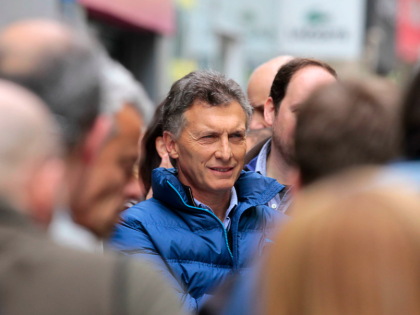
Last month’s primary elections in Argentina destroyed the basis for conservative president Mauricio Macri’s legitimacy. They also provoked a vicious backlash from financial markets, showing capital’s hostility to popular democracy.
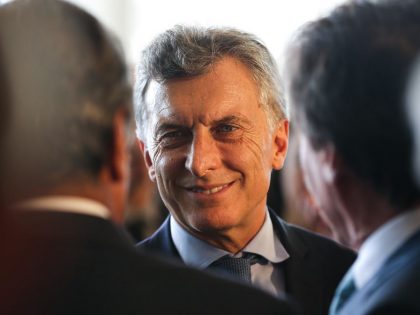
Argentina's looming economic crisis is the result of extreme neoliberal policy: as implemented by the military dictatorship, the IMF, and current president Mauricio Macri.