Peru’s Revolt Is About More Than Corruption
Peruvians vote today in crucial parliamentary elections. But the future of the country relies not just on fighting corruption, but taking on the powerful corporate interests that dominate the country.
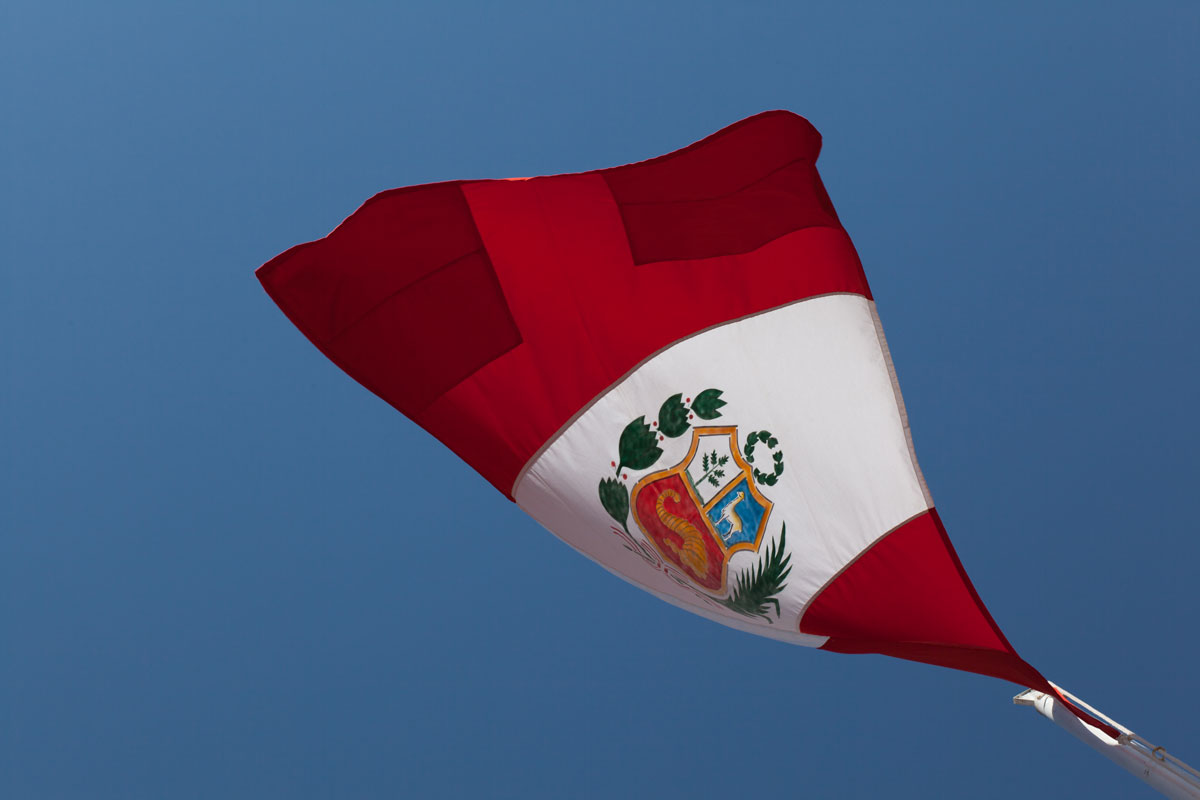
The flag of Peru. (Geraint Rowland / Flickr)
Twenty-nineteen was the year South America erupted. Amid revolts in Chile, a coup in Bolivia, and an indigenous insurrection in Ecuador, Peru has grabbed fewer international headlines, but has not altogether avoided the unrest of its neighbors.
Last September, enraged by ongoing and widespread corruption scandals, and fed up with a broken neoliberal system, inscribed in the Constitution since the Fujimori dictatorship of the 1990s, Peruvians took to the streets en masse to express a “popular veto” of the entire political class, eventually leading to the disbandment of the National Congress.
Now, President Martín Vizcarra has called for extraordinary congressional elections to be held on January 26. Though many consider the move a palliative measure to pacify the growing social discontent, the elections also offer a certain opportunity for the Left.