Colombians Don’t Just Want a New Government — They Want an End to Neoliberalism
For weeks, Colombians have remained in the streets challenging their nation’s violent social and economic model.
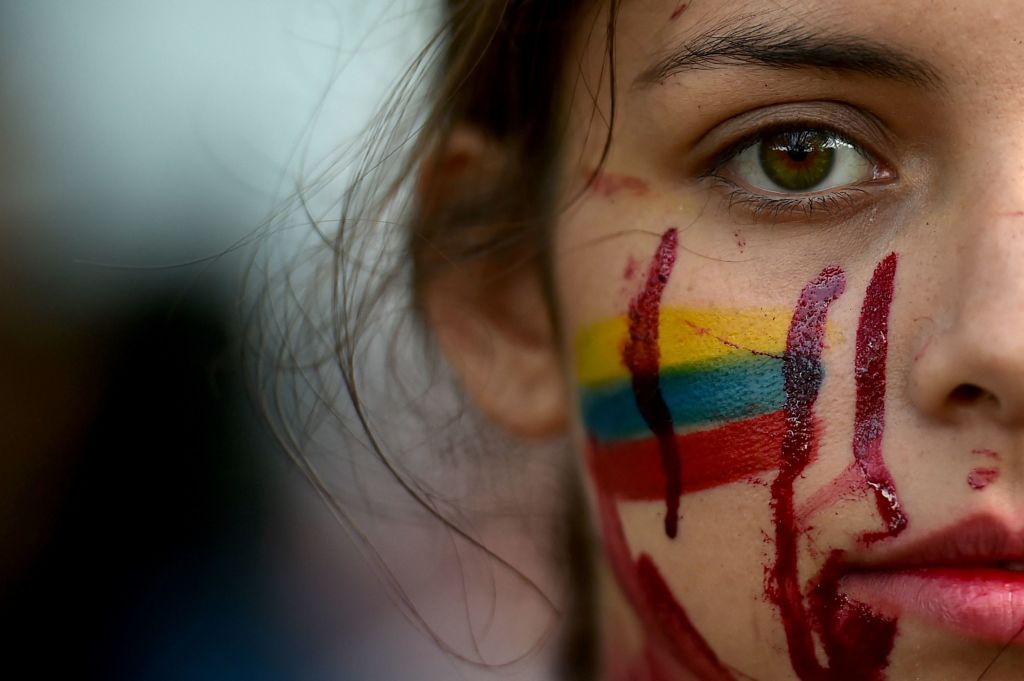
Protesters are not just calling for police reform, they are calling for the end to an unequal system in Colombia that can only be upheld at gunpoint. (LUIS ROBAYO/AFP via Getty Images)
As Colombia enters its third week of national strikes, demonstrators show no sign of leaving the streets. Beginning on April 28, in a day of protest against a regressive tax reform, the strike wave has since grown in size and spread throughout the country as strikers form a common front against the administration of right-wing president Iván Duque and the political machine of former president Álvaro Uribe.
International headlines have focused on the bloody repression of protesters by Colombia’s police and armed forces. The New York Times, for example, reports that the police once engaged in the war against “left-wing guerrillas and paramilitaries” are now turning their substantial firepower against civilians.
The international media, however, has largely forgotten that the Colombian state has been at war with the Left, worker and peasant organizations, and social movements for decades. Ever since the early 2000s, when counterinsurgent warfare became a centerpiece of Uribe’s administration, state-led terrorism has been the method of choice for managing Colombia’s growing inequality and the social disintegration brought on by neoliberalism.