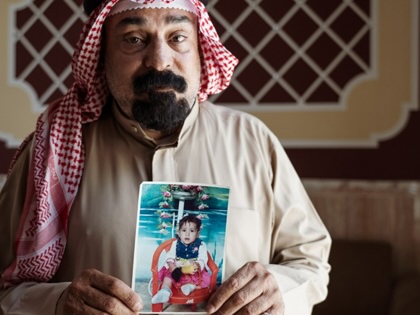
The Many Casualties of Precision Warfare
Behind the myth of surgical strikes lies a coalition architecture designed to ensure no single nation takes the blame when civilians die.
Jaclynn Ashly is an independent journalist currently based in the United States.
Behind the myth of surgical strikes lies a coalition architecture designed to ensure no single nation takes the blame when civilians die.
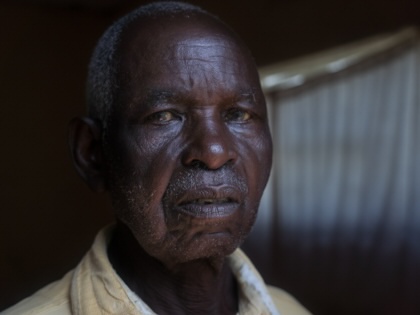
European and US companies continued to sell pesticides abroad years after they were banned at home. Our reporter traveled to Kenya to learn how farmers are paying the price for these chemical products with their health — and how they’re fighting back.
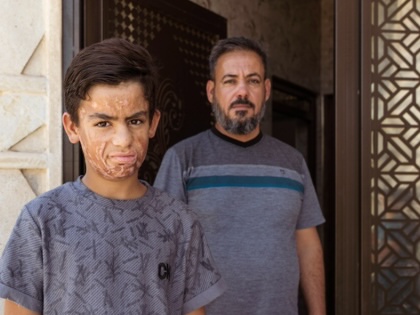
Reporting from Hawija, Iraq, our correspondent traces how the United States built a system of coalition warfare sold as precise, in which bombs fall, civilians die, and accountability is diffused across allied states.
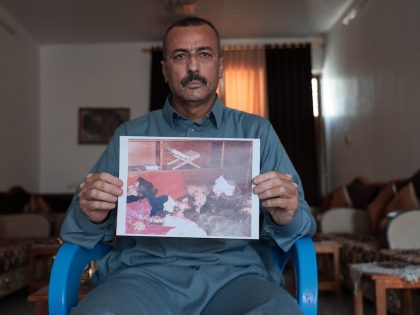
The small Iraqi town of Haditha was the site of a notorious 2005 massacre in which US Marines killed two dozen civilians. Twenty years later, our reporter speaks with the family members who survived and are still waiting for justice.
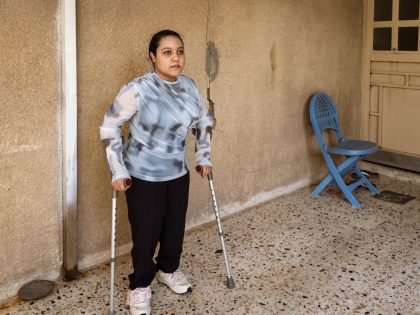
Reporting from Fallujah, Jacobin documents how US-made weapons laced with toxic metals and depleted uranium have turned cities razed by war into biohazards. Soil, bodies, and whole generations are being poisoned in their wake.
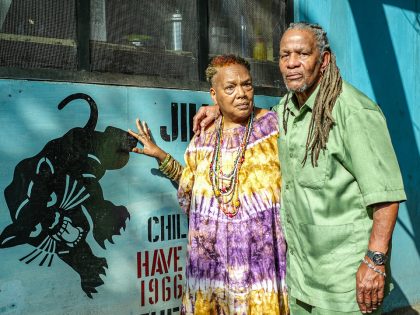
Fifty-nine years after Huey Newton and Bobby Seale founded the Black Panthers, Charlotte and Pete O’Neal remain in exile in Tanzania. Their story, told through interviews, archives, and firsthand reporting, reveals the movement’s enduring legacy.
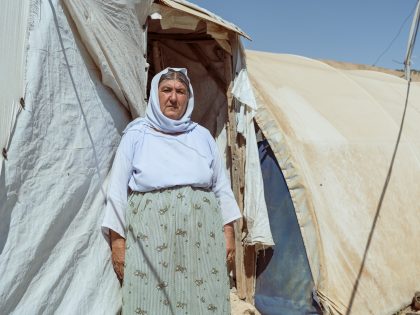
Eleven years ago today, ISIS began its genocidal assault on Iraqi Yazidis. Reporting from the Sinjar region, our correspondent shows how a fractured community finds its path to recovery hindered by geopolitics as much as by violence.
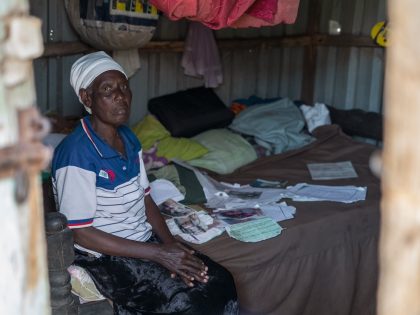
Reporting from Kenya, our correspondent spoke to women who returned from domestic work in the Gulf under the kafala system, which binds workers to employers and strips them of basic rights. Their testimonies reveal a pattern of exploitation, abuse, and death.
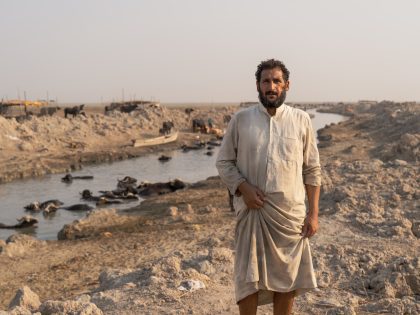
A Jacobin investigation reveals how Iraq’s southern marshes, the birthplace of early civilization, face ruin from environmental and political mismanagement. As the water disappears, so too does a 5,000-year-old culture.
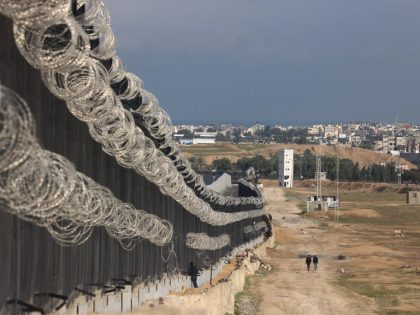
Seeking refuge from Israel’s genocide in Gaza, some Palestinians have made the perilous journey to Egypt. Torn between the desperate need for safety and the uncertain future that awaits them back home, some of them shared their stories with us.
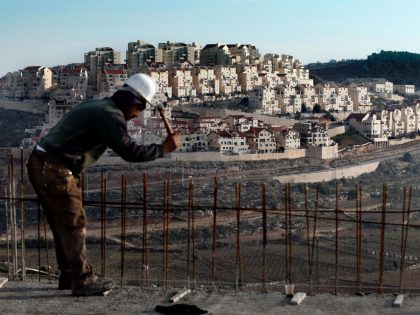
We talked to Palestinian workers whose underpaid labor provides part of Israel’s low-cost workforce. Their stories of organizing amid ethnic cleansing shed light on how this work is a crucial lifeline for Palestinians — now severed by the devastation of war.
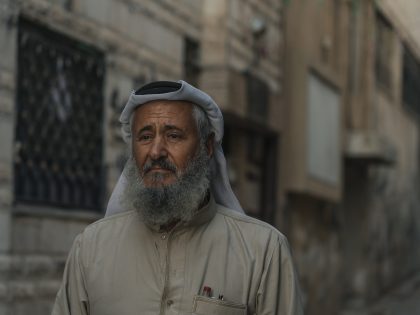
Gaza’s destruction was a political act. Jacobin spoke to Palestinian refugees about the vibrant, beautiful Gaza they remember and how Israel brought their homeland to ruin.
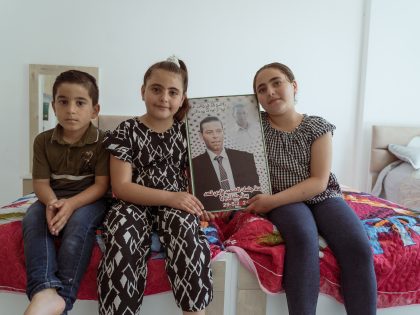
A Jacobin investigation explores Israel’s practice of using the bodies of slain Palestinians as bargaining chips, refusing to return them to their families. Denying the right to bury loved ones, this policy inflicts the anguish of mourning without closure.
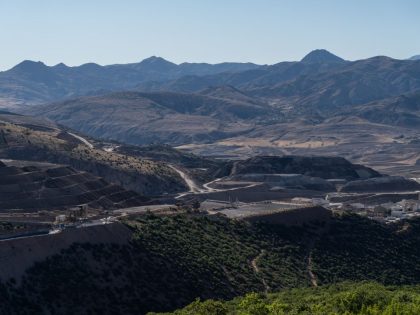
Residents in Turkey’s Black Sea region face contamination from gold mining, enabled by British corporate interests and President Recep Tayyip Erdoğan’s policies. Jacobin spoke to them about their life-and-death struggle in advance of Sunday’s election.
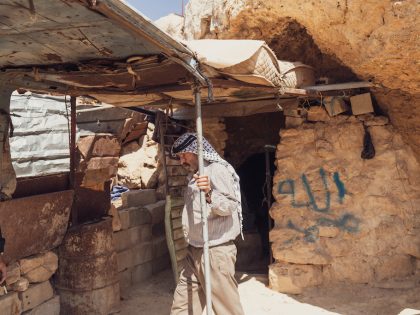
Israeli military zoning in the West Bank sanctions the demolition of Palestinian structures while green-lighting settler farmsteading. As settlements grow, Palestinians are being pushed underground as they are forced to seek shelter in caves.
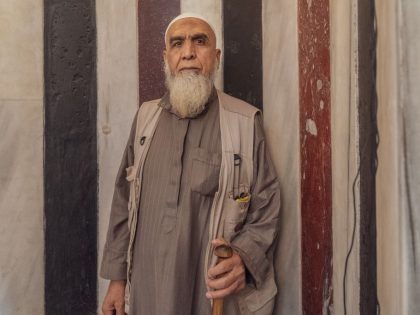
Twenty-nine years ago, Baruch Goldstein, a US-born Jewish settler, shot and killed 29 Palestinians in Hebron’s Ibrahimi Mosque. Jacobin talked to witnesses, who now face a rise in the same extremist Zionism that motivated Goldstein’s slaughter.
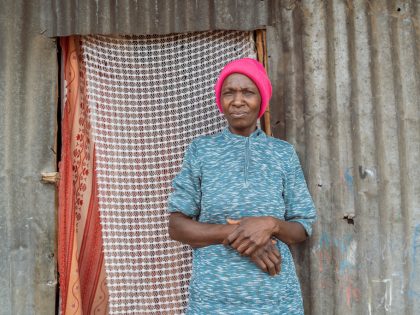
Kenya’s outgoing President Uhuru Kenyatta presided over the worst wave of evictions in the country’s history. On the eve of the country’s general election, nothing seems set to change.
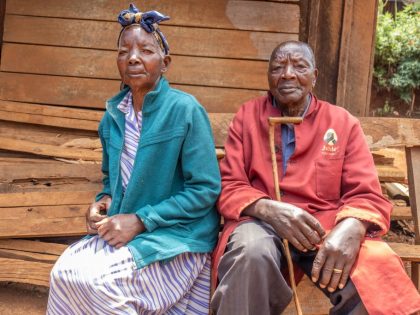
In the 1950s, Kenya’s Mau Mau fought against foreign rule — but its victories were claimed by a reactionary cabal after independence. Jacobin spoke to several Mau Mau fighters, many now in their 80s and 90s, about their guerrilla war waged against the British.
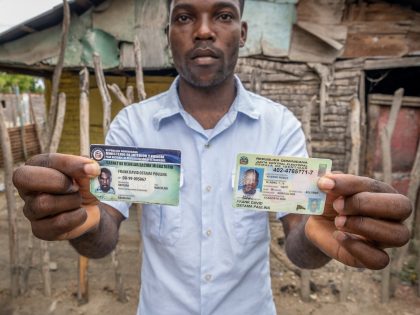
Thousands of Dominicans of Haitian descent are forced to live like fugitives because the Dominican government refuses to acknowledge their claims to citizenship. The DR’s racist denaturalization policy is tearing apart families and destroying lives.
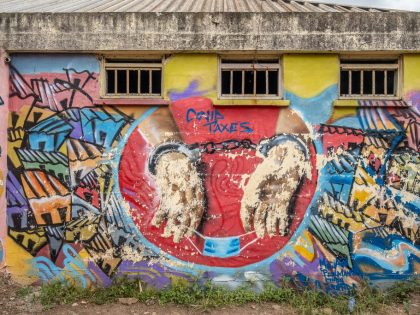
Nairobi, Kenya’s police took the COVID-19 lockdown as an opportunity to increase violent harassment of the city’s citizens. Since 2020, police have killed more than 326 people. Among them: 13-year-old Yassin Moyo.