Steve Kindred, Irrepressible Radical
Steve Kindred (1944–2014).
Steve Kindred (1944–2014).
Leo Panitch on Ralph Miliband and fifty years of the Socialist Register.
The American government’s response to the 2007–8 financial crisis reveals an increasing tension between its domestic and global responsibilities.
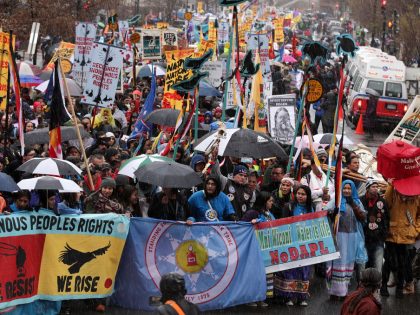
The Green New Deal can connect every struggle to climate change. A Red Deal can build on those connections, tying Indigenous liberation to the fight to save the planet.
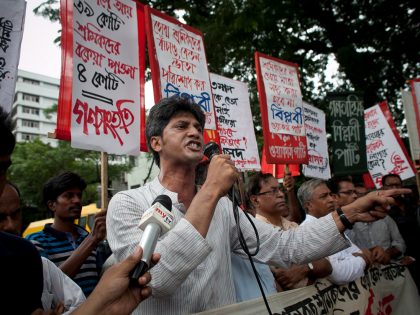
Six years after the Rana Plaza garment factory collapse killed over a thousand people, Bangladeshi workers are striking for better wages and safer conditions.
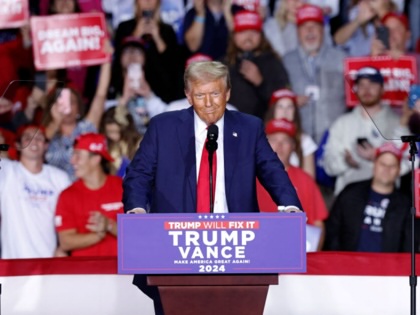
The collapse of the GOP and Democratic establishments, and the rise of Donald Trump, have been driven by popular disillusionment with an economy that has for decades failed millions of people.

To anyone who lived through the Clinton years — or merely remembers the Obama era — the discrediting of neoliberal ideas that were once sacrosanct among Democrats is nothing short of astonishing.
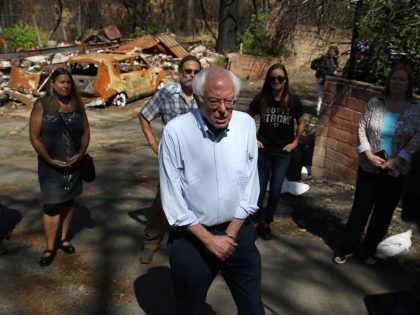
In his just released Green New Deal proposal, Bernie Sanders brings the kind of bold, large-scale plans as well as the moral fury we need — not just to save the planet, but to create a just and equitable world.

Self-help gurus and positive psychologists tell us that we should be coaching ourselves to happiness. The painted-on smiles they want to sell us are a pathetic substitute for actually improving our societies.
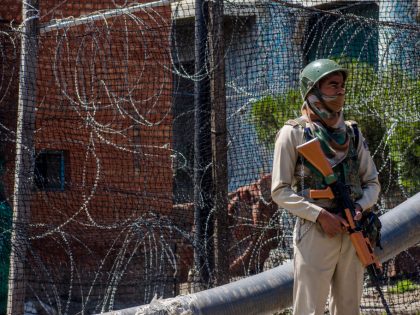
Progressive Indians must oppose governmental violence against Kashmiris. The powers that would seek to deny the oppressed people of Kashmir the right to freely pursue their goal of collective self-determination must be stopped.
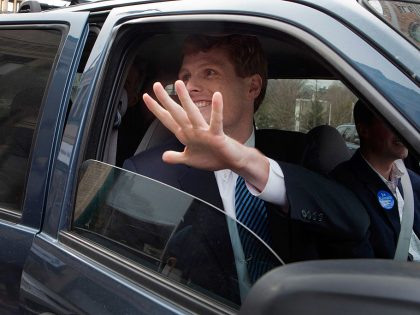
This month, Joe Kennedy III became the first Kennedy ever to lose an election in Massachusetts. In light of the occasion, a Masshole reflects on the awfulness of the Kennedy clan and celebrates the end of Kennedy hegemony.
Evo Morales’s administration has scored some successes, but it has failed to deliver on its more radical promises.

Taking stock of the Democratic field on US empire.
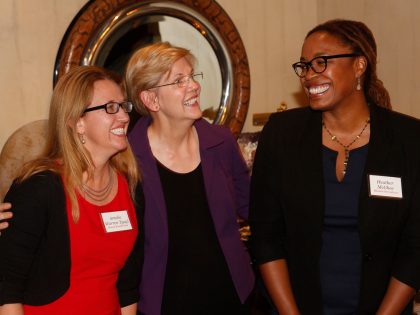
Class shapes our social world — not just through the economy, but through our personal networks. Whether it’s Kamala Harris’s corporate lawyer husband or Elizabeth Warren’s McKinsey alum daughter, it’s legitimate to ask how a politician’s class connections might influence the decisions they make in office.
How should we assess the 2008 economic crash — and the political possibilities beyond it?
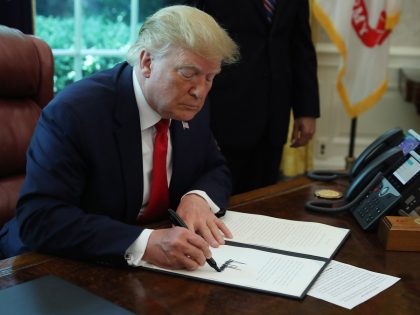
US sanctions are killing ordinary Iranians by the thousands. Through its control over the world banking system, America’s sanctioning power flouts international human rights law and poses a threat to the world.
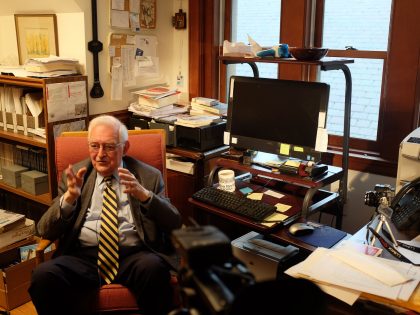
Immanuel Wallerstein saw his scholarship as a “political task” in the fight against the capitalist system. In this interview — published for the first time in English — he reflected on the historical impulses behind his work, in the age of the Vietnam War and the decline of Soviet socialism.

In private meetings, Donald Trump has worried that socialism won’t be so easy to beat in 2020. His political intuition was right in 2016, and it’s right now: socialism is popular, and it's the biggest threat to Trump's reelection.
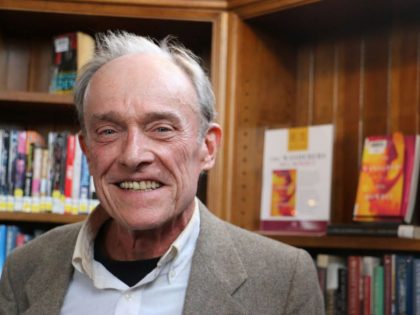
Democratic socialist Tom Gallagher is primarying Nancy Pelosi, with a focus on America’s disastrous foreign policy of endless war. In a world without capitalism, he says, “we could eliminate a lot of military spending and war.”