Venezuela after Chávez
What's next for the Bolivarian Revolution?
What's next for the Bolivarian Revolution?
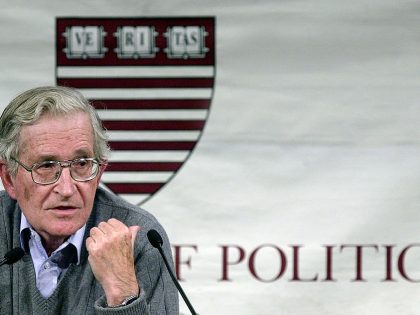
Now in his 90th year, Noam Chomsky is still blessing us with his insights. Here he is on climate change, US empire, antisemitism, Venezuela, and much more.
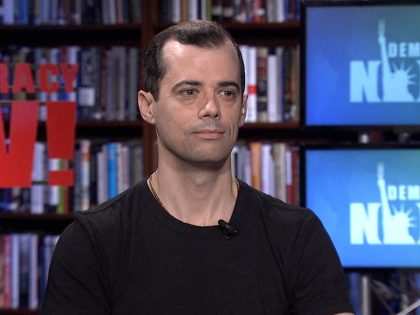
Seth Harp’s reporting on nonclassified information about the US’s attack on Venezuela has led to attacks from Congress on his — and everyone’s — basic First Amendment rights.
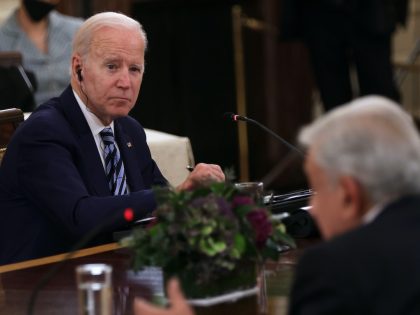
The United States is excluding Cuba, Venezuela, and Nicaragua from the forthcoming Summit of the Americas. Washington probably wasn’t expecting that much of Latin America, led by Mexico’s Andrés Manuel López Obrador, would publicly push back in response.
Venezuela’s Bolivarian Revolution hasn’t established socialism. But it has brought the poor into public life.
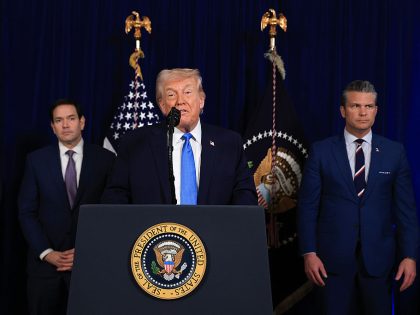
Venezuela is only the opening salvo in a blatantly imperial project aimed at crushing the Latin American left.
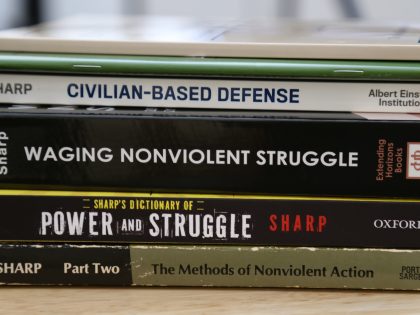
Gene Sharp has been called the most important American political figure you’ve never heard of. How did a militant Cold Warrior come to wield so much influence in protest movements from Venezuela to the Middle East?
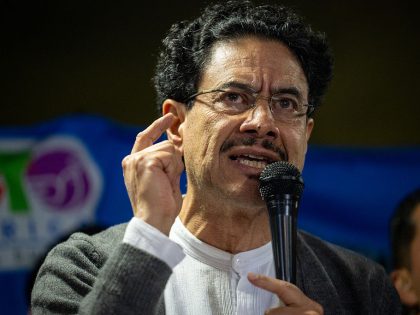
Left-wing Colombian presidential candidate Iván Cepeda speaks to Jacobin about the accomplishments of Gustavo Petro, the US attack on Venezuela, and the Trump administration’s dangerous interventions across Latin America.
What mainstream accounts of Venezuela’s “peaceful” opposition leave out.
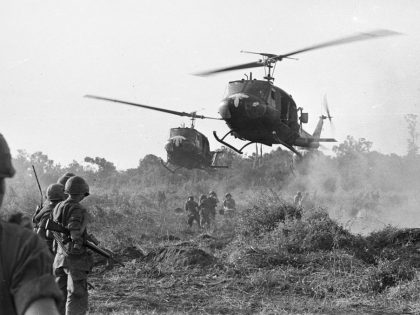
Apologists for US empire like Max Boot insist that American victory was possible in the Vietnam War. It wasn’t. But as long as the war machine needs justification for new interventions — today, in countries like Venezuela and Iran — writers like Boot will have an audience for their imperialist fantasies.
The Bolivarian Revolution improved millions of lives, but it was never able to fundamentally challenge the logic of capital.
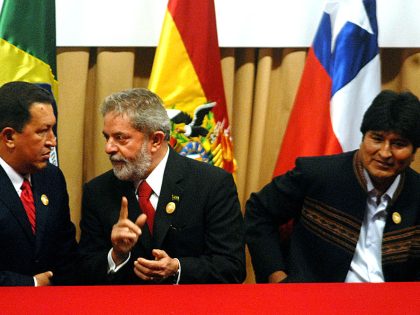
A new comparative study of left-wing governments in Latin America shows that left governance can create strong local participatory democracy, even in hotbeds of opposition.
Latin America's "pink tide" governments challenge neoliberalism and US hegemony, but leave the basic structures of capitalism intact.
The Chavista bureaucracy is betraying Chávez's legacy. But the Bolivarian Revolution's movements can carry on the fight.
Human rights are worth defending. Human Rights Watch is not.
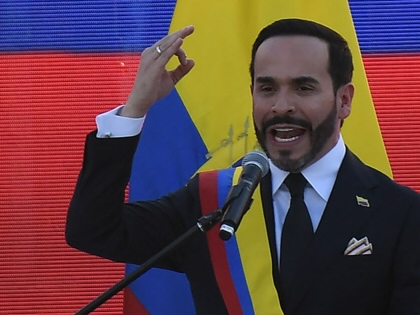
Under the cover of earthquake response, Colombian President Abelardo de la Espriella has dramatically reversed Colombia’s stance toward Israel, recognizing controversial Israeli claims over the occupied Golan Heights.
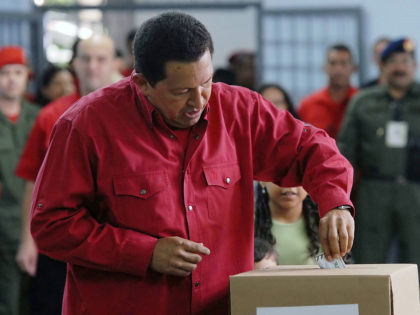
As Venezuelans go to the polls this Sunday, the country faces a choice between deepening revolution and an elite-enforced rollback.
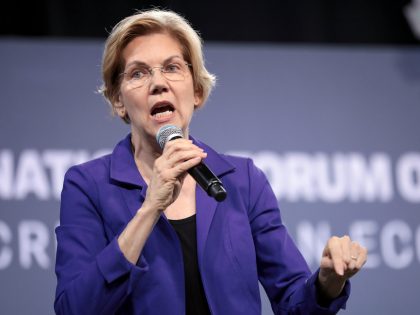
Elizabeth Warren is pushing things in a progressive direction on the domestic front. But she's far too wedded to US imperialism abroad.
With the Trump threat looming and Raúl Castro possibly stepping down, the future of the Cuban Revolution is uncertain.
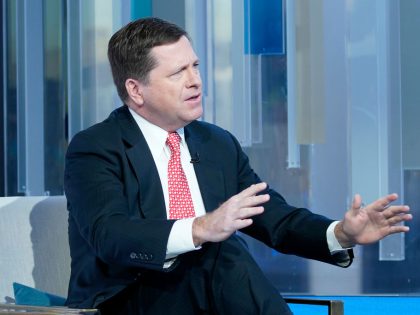
The investment portfolio of the interim US Attorney for the Southern District of New York shows financial stakes in Epstein-associated financial institutions and Venezuelan oil interests. The Trump appointee stands to win big from his own investigations.