
From New York to Ohio, Americans Support Economic Populism
Zohran Mamdani’s recent win in New York City drove home the political promise of economic populism. A bold progressive economic agenda can win working-class voters in the Midwest too.
Zohran Mamdani’s recent win in New York City drove home the political promise of economic populism. A bold progressive economic agenda can win working-class voters in the Midwest too.
A real post-Katrina revitalization of New Orleans would have meant more jobs and public services, not cutbacks and privatization.

In Brazil, an absurd and deeply politicized “anti-corruption” campaign was carried out to block Lula da Silva from the presidency — delivering it instead to far-right leader Jair Bolsonaro, who oversaw the world’s worst COVID-19 response. We have ex-judge Sergio Moro to thank for it.
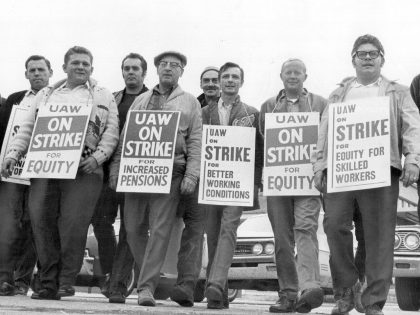
Labor historian Nelson Lichtenstein reflects on his long life and career, including Berkeley in the 1960s, Walter Reuther and the early UAW, Walmart, Bill Clinton, and much more.
The New Jersey TV doctor Dr Oz has made headlines for his bizarre recent Senate campaign videos. But his proposed scheme to privatize Medicare would hurt seniors while lining insurance companies’ pockets.
Socialists should be making well-thought-out proposals for a better future and building the class power to bring that program into reality. The idea that our purpose is simply “shifting the Overton window” by spouting the most radical-sounding slogans is an unhelpful distraction.

To anyone who lived through the Clinton years — or merely remembers the Obama era — the discrediting of neoliberal ideas that were once sacrosanct among Democrats is nothing short of astonishing.

Both Richard Nixon and Donald Trump have made cynical but shrewdly strategic appeals to building trades unions and their members. The Left needs a plan to win those workers back.

Donald Trump is the grotesque embodiment of market principles. In climbing back from his disastrous four years, one of our aims must be to wrest back democracy from the market.
War fever in Washington has reached such a pitch that even mild calls for cease-fire talks, as House progressives articulated in a now-retracted letter, are now beyond the pale. That’s dangerous at any time, let alone when nuclear tensions are high.

The headlong rush toward war with Iran seems to have slowed down. But we shouldn’t be lulled into a false sense of security — we urgently need a mass antiwar movement that isn’t tied to the Democratic Party.
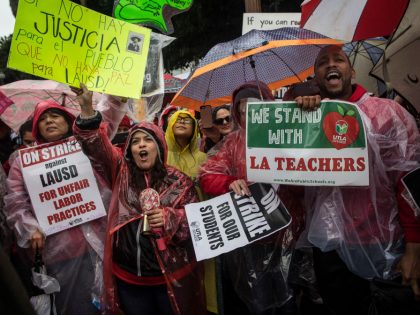
Democrats are endorsing striking teachers. That doesn’t mean the party’s abandoning its education agenda, but it does mean that the working class is making itself harder to ignore.
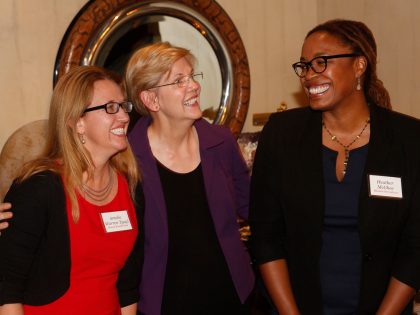
Class shapes our social world — not just through the economy, but through our personal networks. Whether it’s Kamala Harris’s corporate lawyer husband or Elizabeth Warren’s McKinsey alum daughter, it’s legitimate to ask how a politician’s class connections might influence the decisions they make in office.

Today, on Inauguration Day, we shouldn’t forget that the business class has long stoked fears of democracy — and bankrolled the conservative movement that gave us the events of January 6.

One hundred days into Donald Trump’s presidency, the primary victim of America’s war against the world is America.
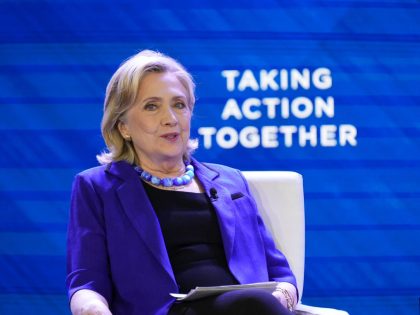
“Lean In” feminism doesn’t seem to have the purchase it did a few years ago. Maybe that’s because it is so obviously irrelevant to the lives of the vast majority of women, who need a union and decent pay, not a female boss.
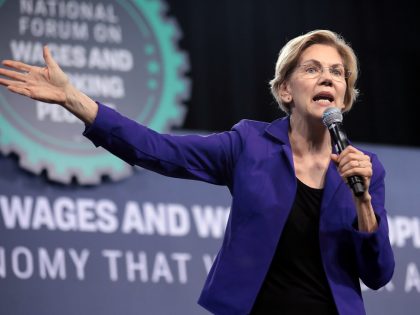
Elizabeth Warren has come out strong for a slew of progressive policy proposals. So why hasn’t she come out strong for Medicare for All?
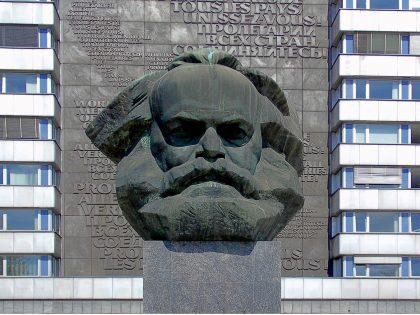
Karl Marx is often thought of as a purely economic thinker. But the famed socialist was a committed democrat — and his writings offer potential remedies for democratizing our undemocratic political system.
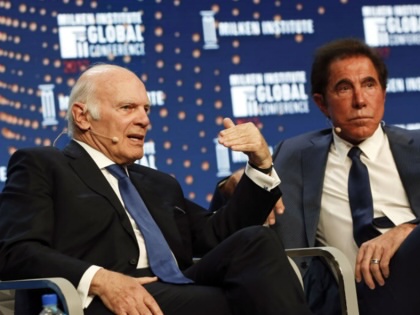
Facing the prospect of paying a bit more in taxes, billionaires are responding calmly and rationally: by calling themselves a marginalized, oppressed minority group being traumatized.
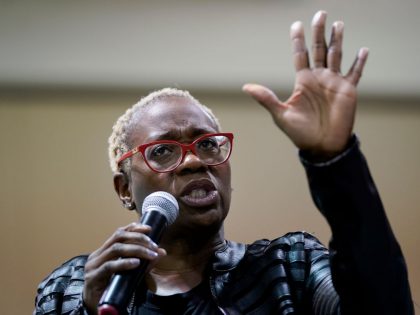
There’s plenty of reason for despair these days. But this Christmas, we can look to radical Christians past and present like Nina Turner and Eugene V. Debs to rekindle our hope for a better world — and rededicate ourselves to building it.