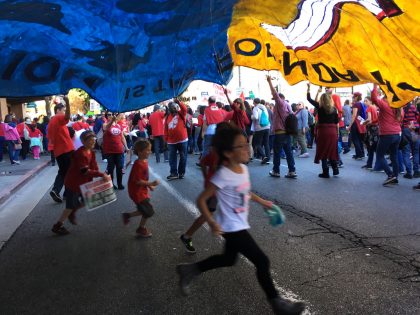
What a Teachers Movement Can Look Like
By following the example of Los Angeles teachers in their recent victorious strike, teachers around the country can roll back free-market education reform.
By following the example of Los Angeles teachers in their recent victorious strike, teachers around the country can roll back free-market education reform.
This week's Los Angeles teachers strike starkly poses the question: will the public or privatizers control public education?
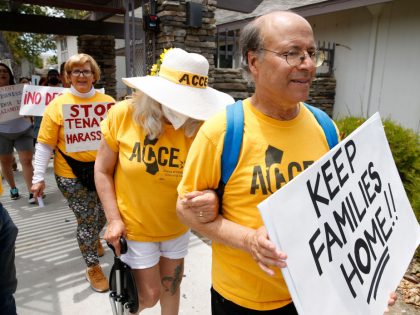
Since Los Angeles passed its tenant anti-harassment law in 2021, the city received over 21,000 complaints but referred just 35 cases for prosecution. Now Highland Park tenants have forced the first-ever enforcement through relentless organizing.
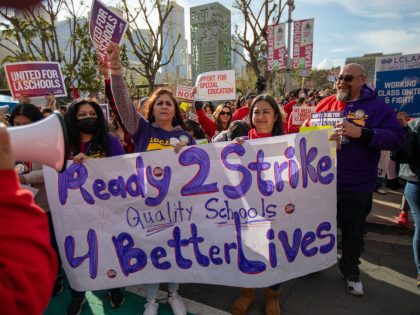
Bosses have long known the power of solidarity strikes — and thus try to make such strikes illegal. But United Teachers Los Angeles president Cecily Myart-Cruz explains in Jacobin that her union and SEIU Local 99 recently pulled such a strike off and won.
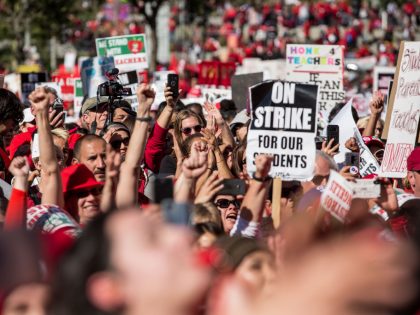
The Los Angeles teachers' strike is a model for a popular, militant working-class movement advancing a broad vision of education justice. That model can be replicated everywhere.
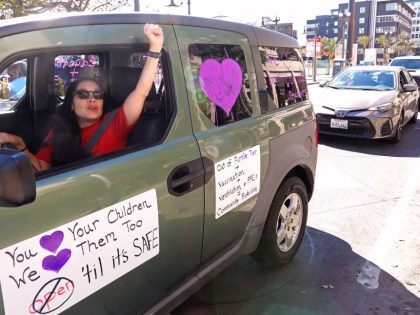
United Teachers of Los Angeles won a strong health and safety agreement ahead of returning to classrooms later this month. They won it the old-fashioned way: organizing rank-and-file teachers to demand an agreement that benefits teachers, parents, and students.
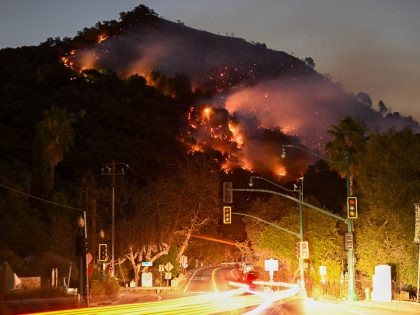
In California, policymakers have long warned that continued development in high-risk wildfire zones was magnifying fires. But real estate interests have lobbied hard against any development restrictions, helping exacerbate the fires raging in Los Angeles now.
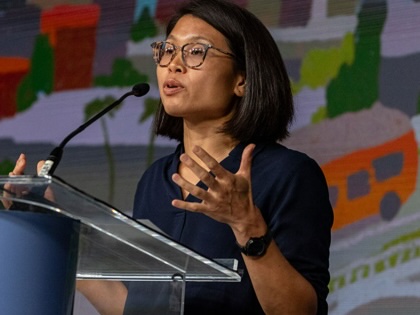
Reverend Rae Huang is running for mayor of Los Angeles on a platform to expand the public sphere: social housing, free buses, a public bank, and public movie theaters. She explains how her political vision was shaped in part by her Christian background.
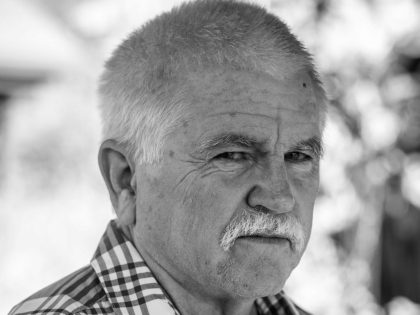
Historian Nelson Lichtenstein on the life, influences, and “sophisticated yet lucid brand of Marxism” of the late, great writer Mike Davis.
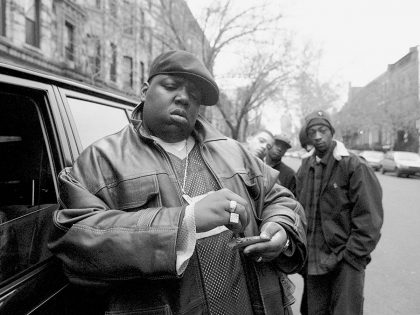
Criminal police officers ran law enforcement in 1990s Los Angeles — and they may have a story to tell.
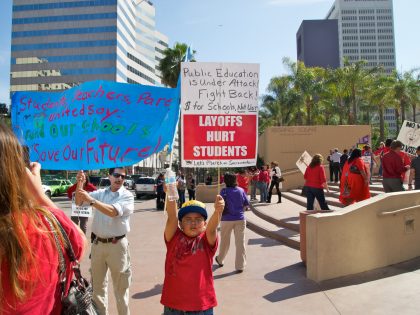
The United Teachers of Los Angeles are on the precipice of a historic strike against corporate education reform.
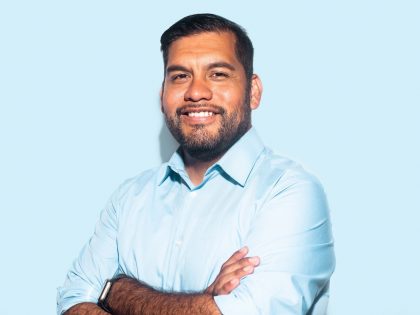
In a pro–Bernie Sanders district with a strong union presence, a son of immigrant street vendors seeks election to LA City Council. Hugo Soto-Martinez wants “to create a new society: a world with good union jobs, universal health care, and affordable housing.”
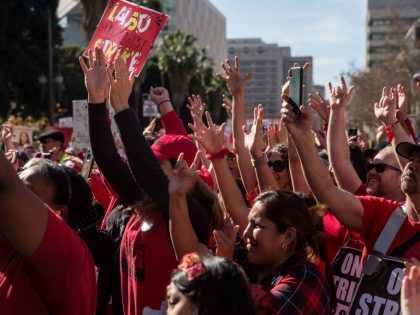
The Los Angeles teachers' strike was big, it was united, and now it's victorious. We interview UTLA chief negotiator Arlene Inouye about how the strike turned the tables on the billionaire privatizers.
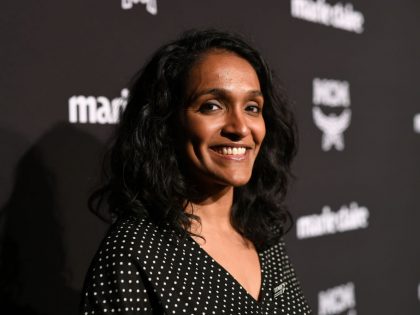
Nithya Raman is a member of the Democratic Socialists of America who is running for city council in Los Angeles. In an interview with Jacobin, she describes her history organizing around sexual harassment and homelessness, the need to stop gentrification in LA, and why a homes guarantee is a critical demand.
Workers at the Los Angeles Times are unionizing not just to improve their working conditions but to ensure the future of the paper.
After a hard-fought, five-year organizing campaign, the largely immigrant workforce at Genwa, a Korean BBQ chain in Los Angeles, has won a first contract — a first-of-its-kind agreement in an almost entirely nonunion sector.
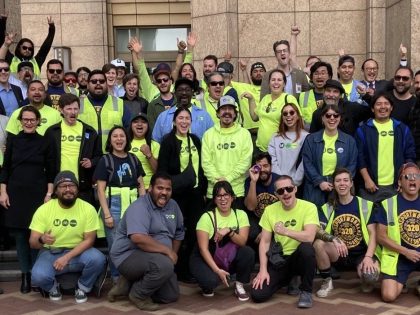
Los Angeles County has proposed that Lyft take over its public bike share program. LA bike share workers fear Lyft will gut their program and undermine their union — so they’ve joined with public transit advocates to fight privatization.
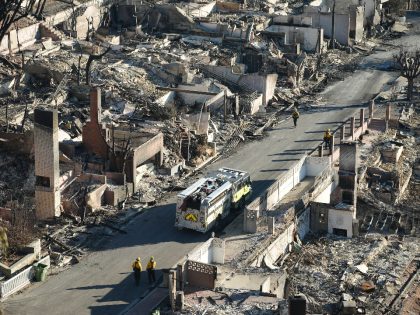
From price gouging to risky developing to insurance dysfunction, the dynamics of private housing markets are making the Los Angeles fire disaster considerably worse. We don’t need to prioritize real estate profits over people’s housing needs.
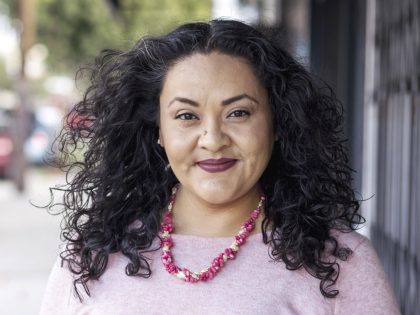
Billionaires are pumping money into a single Los Angeles school board race in an effort to defeat the teachers’ union candidate, Rocío Rivas, and advance their agenda of privatization. We spoke to Rivas about what’s at stake.

Almost 60 years ago, Joan Didion wrote that “the city burning is Los Angeles’s deepest image of itself.” Since then, insurance companies and developers have prioritized short-term profits over housing resilience and affordability for Californians.