Joe Biden’s State of the Union Didn’t Offer Much for the Working Class
Last night, Joe Biden sounded like he was about to declare World War III. He won’t, thankfully — but he also won’t do much for working people.
Last night, Joe Biden sounded like he was about to declare World War III. He won’t, thankfully — but he also won’t do much for working people.
The late socialist writer Mike Davis’s first book was Prisoners of the American Dream, a deep exploration of how the US labor movement became so weakened. Nearly four decades later, Davis revisited the book in an interview with Jacobin.

Recent oil workers’ strikes in France are at the cutting edge of a rising wave of industrial action. CGT union leader Philippe Martinez told Jacobin how organized labor can lead the fight against the rising cost of living.
In conservative Florida, where Trump edged out Biden last year by 51 percent to 48 percent, a ballot measure to raise the minimum wage to $15 by 2026 passed with nearly 61 percent of the vote. By appealing to Floridians' material interests across lines of race and geography, the campaign shows how left economic policies can win even in right-wing contexts.
Draconian spending cuts, attacks on labor organizing, stoking war with China, and speeding up climate disaster — these are just some of the things Republicans are planning if they win big on Tuesday.
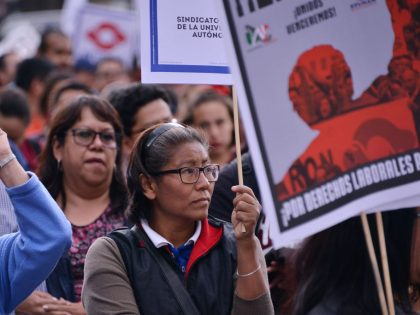
Throughout most of the last century, the Mexican labor movement has largely seen its unions become corrupt instruments of state control. That’s slowly beginning to change, but the road to independent, democratic Mexican unionism remains a steep one.
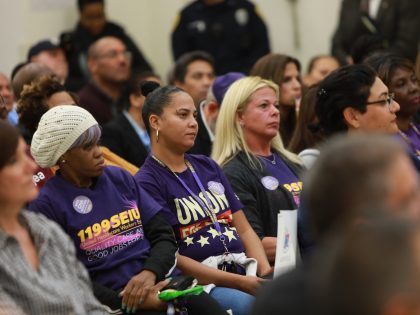
Let’s be real: the PRO Act isn’t going to pass anytime soon. Labor unions need to figure out how to organize under current conditions or perish.
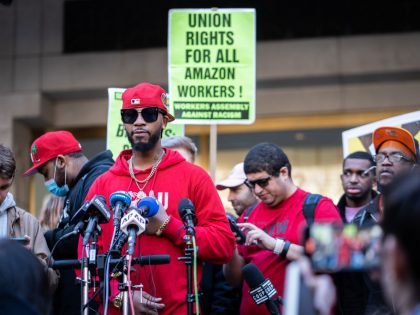
The establishment of the first Amazon union in the US is a historic breakthrough for organized labor. The successful union drive shows how the Left can best build real grassroots power: by organizing in the workplace.

Under capitalism, housing is a commodity, which means it principally exists to make rich people richer rather than meet human needs. That gap between making money and making profit distorts a whole range of life outcomes for average people — and real estate agents play a critical role in that process.
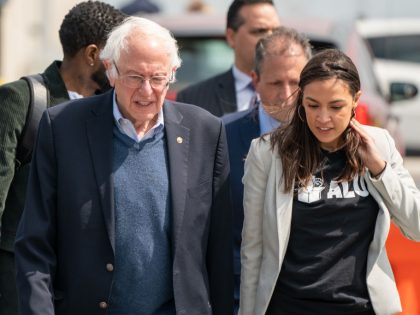
Since Bernie Sanders’s defeat in 2020 and the start of the COVID-19 pandemic, the US left has been largely disorganized. The time is ripe for Bernie and the Squad to create a new mass organization to confront today’s crises.
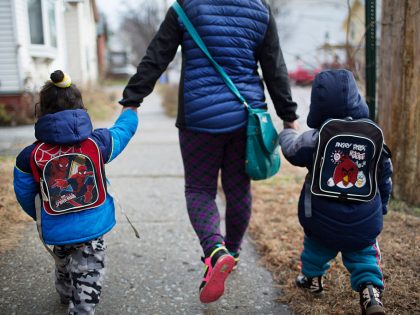
American childcare workers like me are confronted every day with a basic fact: the United States has more than enough resources to provide public, high-quality childcare to everyone who needs it, yet it chooses not to.

A report compiled by an international network of unions exposes ruthless worker exploitation at XPO Logistics, the global transportation giant headquartered in Connecticut. Since the COVID-19 pandemic, the company’s mistreatment and repression have only gotten worse.
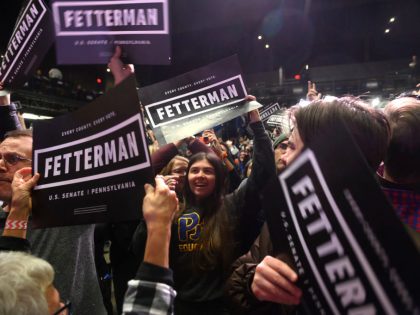
Leftists shouldn’t counterpose working-class voters on the one hand and college-educated voters on the other. Our strategy can combine a working-class economic program with a progressive approach to social and cultural questions.
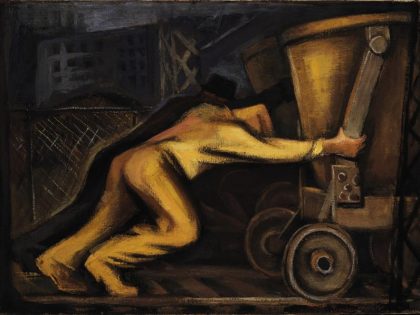
Class isn’t just about how much money you make, and it’s certainly not about cultural traits or your level of education. Marxists argue that anyone who must sell their ability to work for a wage and can’t produce their life necessities for themselves is part of the working class.
Costco workers in Norfolk, Virginia, recently unionized, defying the company’s reputation as one that cares about workers. In an interview, a Costco worker says he and his coworkers are tired of being treated with disrespect on the job.
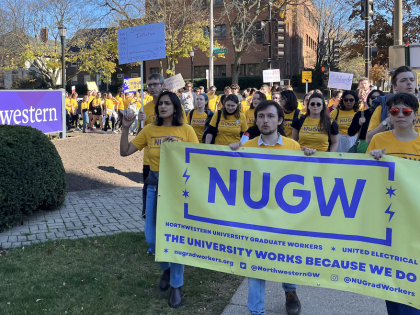
Last week, graduate student workers at Northwestern University voted to unionize by a landslide margin. We spoke to some of the worker-organizers about why they wanted to unionize and how they won.

Everybody has to go to the bathroom, yet toilet access is currently severely limited and essentially privatized throughout the United States. That must change — we need clean, free public bathrooms for all.
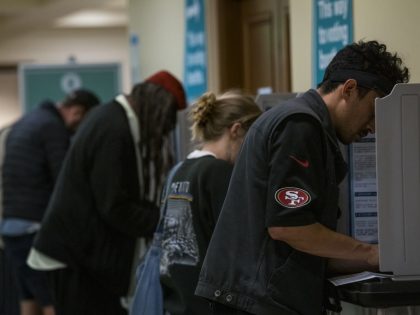
Liberal pundits argue that Bernie Sanders's policies were too radical for “ordinary Americans.” But primary voters are much richer than the average voter in the general. Among working-class Americans, ideas like Medicare for All are becoming common sense.
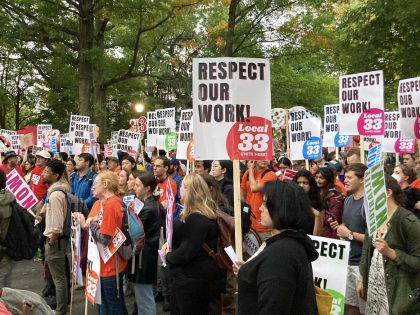
Graduate student workers at Yale University have been trying to unionize since the early 1990s; on Tuesday, they finally won a union election. Jacobin spoke with two Yale worker-organizers in the lead-up to the vote.
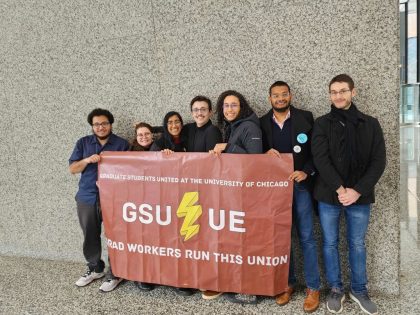
Following recent victories at Yale and Northwestern, graduate student workers at the University of Chicago are voting on whether to unionize at the end of the month. We spoke with workers there about the history of their effort and what they think is next.