
The Best Books We Read in 2022
Jacobin staffers and contributors reflect on the best books we read this year.
Jacobin staffers and contributors reflect on the best books we read this year.

Captured on a thousand Instagram feeds, the UFO-like monument to the Bulgarian Communist Party is one of the Eastern Bloc’s most famous architectural relics. A battle to save it from decay has brought Bulgaria’s past back into political debate — and highlighted the death of the radicalism that motivated the project to start with.
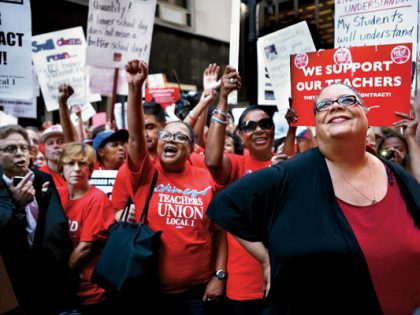
When Karen Lewis and her Caucus of Rank-and-File Educators took power in the Chicago Teachers Union in 2010, the landscape for labor in her city and country was bleak. She rose to the moment — and helped transform what was politically possible for a teachers’ union and the labor movement as a whole to accomplish.
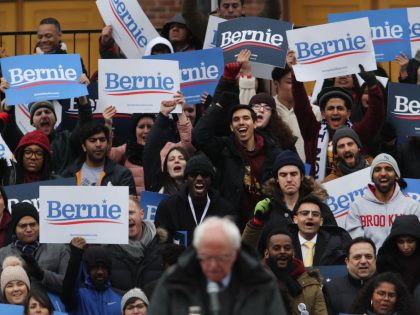
Bernie Sanders didn’t just put policies like Medicare for All on the map nationally — he also insisted we need to build a mass movement to win. The next phase of the Sanders movement must involve building democratic, nationwide membership organizations.

Former Chicago Teachers Union president Karen Lewis’s bombastic way of painting the union’s class enemies as out-of-touch corporate hacks was genius political theater, and her commitment to democratic, militant unionism was unflagging. Lewis played an integral role in transforming teachers' unionism — first in Chicago, then around the country.

Illinois cannot act to provide relief for its renters struggling under the coronavirus pandemic because of a 1997 rent control ban pushed by the Right. But this could change if its governor, J. B. Pritzker, used his emergency powers to lift that ban and aid the millions of Illinoisans who can’t pay the rent.

Decarbonization won’t be achieved through market-led solutions. It’s only by democratizing the economy and resisting privatization that a meaningful and sustainable transition to green energy can be won.

The COVID-19 crisis, like the subprime mortgage crisis a decade ago, has sparked major public interventions to stabilize the financial markets. But the Fed isn’t stepping in to bail out the real estate sector — and the big losers are set to be ordinary households.
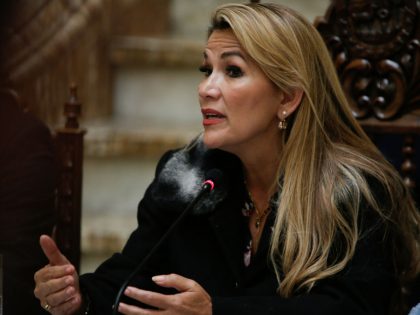
In November, Evo Morales was forced out of office in a right-wing coup. He was trying to avoid a campaign of terror from the Right — but under Bolivia’s new ultraconservative president, Jeanine Áñez, that terror, now carried out by paramilitaries, is still escalating.

El Salvador’s president, Nayib Bukele, is enforcing one of the strictest social distancing orders in the world, subjecting thousands to arrest and expanding an already ravenous and bloated prison system. With millions facing destitution and abuse, coronavirus is laying bare the instability that has always been at the core of neoliberalism in countries like El Salvador.
Only a deepening of the Bolivarian Revolution can save it.
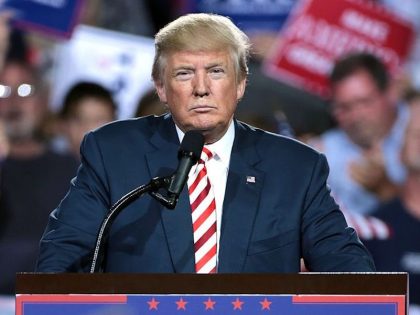
Know Your Enemy is a podcast about conservatism that takes analyzing its ideas and actions seriously. As we approach the end of Trump's presidential term, we talked to its hosts about the state of the Republican Party and the Right after nearly four years of President Trump.

Muhammad Ali’s resistance to racism and war belongs not only to the 1960s, but the common future of humanity.
Without mass mobilization, Unidos Podemos's electoral success won’t match up against the forces of austerity.
The Sanders campaign isn't the end of the line. We can use its momentum to unite movements and build broad support.

With millions of people ordering basic necessities direct to their homes, the pandemic has massively strengthened big distributors like FedEx and Amazon. But while official discourse celebrates delivery drivers as “heroes,” the logistics firms themselves have used the crisis to undermine workers’ most basic rights.

A morally tarnished World Cup in Qatar was the latest phase in the degeneration of modern football. Europe’s top clubs have become playthings of the superwealthy, taking the game ever further from its popular roots.

Rising from the ruins of World War I, in the 1920s Vienna’s socialist administration was famous for its innovative housing and public health programs. But at the heart of “Red Vienna” were its services for children, guaranteeing that even the poorest young people could share in the joys of childhood — and the foundations of a fulfilling life.
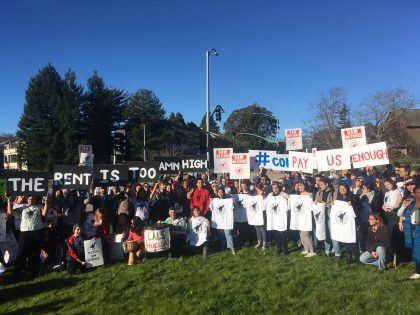
Recently revealed emails show that a wide range of public entities were used to police a California graduate workers strike. It’s part of a long tradition of government agencies spying on labor organizers and radicals — but now with cross-agency coordination and ever-expanding budgets.
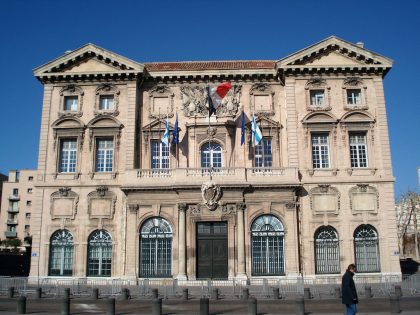
Last June, France’s second city voted for the “Marseille Spring,” a left-wing coalition that put an end to two decades of conservative rule. But difficult pandemic conditions — and now the abrupt exit of mayor Michèle Rubirola — have raised questions over its ability to put ordinary citizens in charge of city hall.