The Growing Pains of Marseille’s New Left-Wing Government
Last June, France’s second city voted for the “Marseille Spring,” a left-wing coalition that put an end to two decades of conservative rule. But difficult pandemic conditions — and now the abrupt exit of mayor Michèle Rubirola — have raised questions over its ability to put ordinary citizens in charge of city hall.
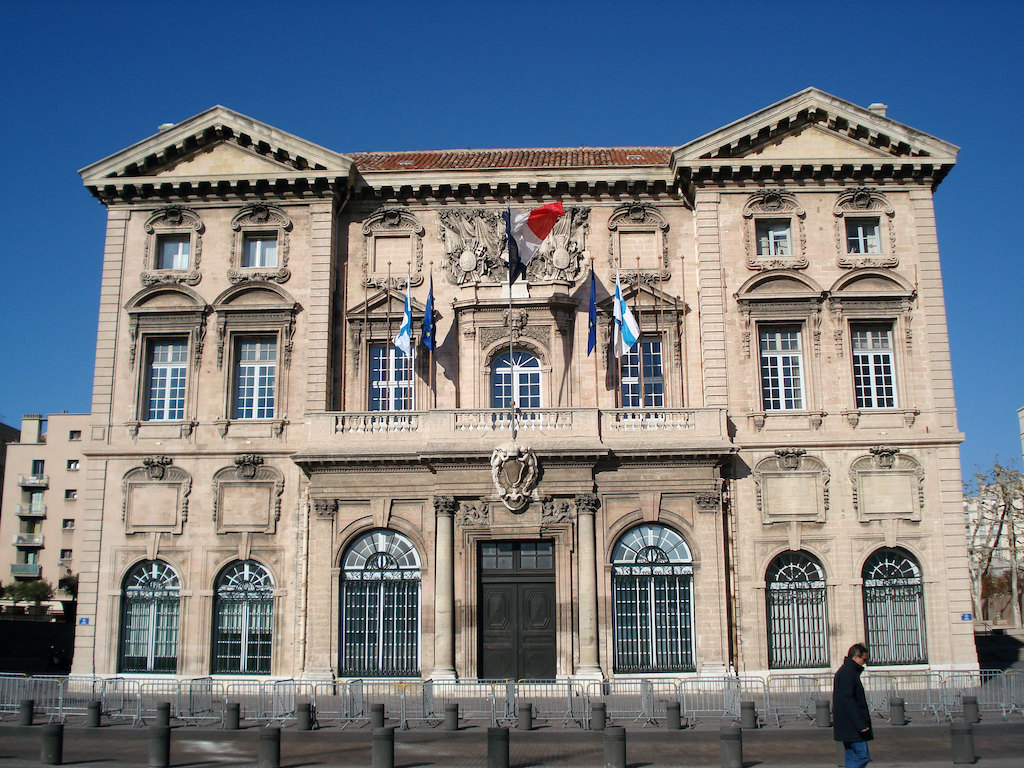
Marseille City Hall (Hôtel de ville) in Marseille, France. (Howard Russell / Flickr)
It was one of the Left’s most encouraging victories in summer 2020’s French municipal elections: in Marseille, the country’s second-largest city, a broad coalition of parties managed to defy the odds and kick out a right-wing establishment that had held power for over two decades.
Swept into office after railing against corruption, clientelism, and neglect of the city’s working-class majority, the alliance known as Printemps Marseillais, or “Marseille Spring,” promised an ambitious shake-up at city hall. The new government was led by Mayor Michèle Rubirola, a sixty-four-year-old medical doctor and member of the Greens (EELV), whose base also included the Socialists (PS), Communists (PCF), and parts of Jean-Luc Mélenchon’s La France Insoumise. Her administration vowed to boost investment in public services and anchor its decision-making in communities long alienated by local politics.
Seven months later, it’s proven a difficult task.