
“Kashmir Has Been Turned Invisible”
India's military blockade of Kashmir is breathtaking in its brutality and violence. We can't let them silence Kashmir's dreams for freedom and justice.
India's military blockade of Kashmir is breathtaking in its brutality and violence. We can't let them silence Kashmir's dreams for freedom and justice.

Indian prime minister Narendra Modi’s violent clampdown is the latest episode in a long saga of repression and resistance in Kashmir. The people of Kashmir deserve the chance to determine their own future, free of repression or outside interference.
What would justice for those suffering under Indian occupation in Kashmir look like?

Twenty-five titles — including a work by Booker Prize winner Arundhati Roy — have been banned in Kashmir. The crackdown has left authors, students, and booksellers navigating fear and defiance, as the state seeks to erase history and police memory.

For decades, the Indian state has suppressed the democratic rights of Kashmiris. Narendra Modi’s hard-right government is taking this pattern of repression to new extremes, with the complicity of Indian intellectuals who seek to toxify the cause of Kashmir.

A report from inside Kashmir, where Indian authorities have created an open-air prison with millions captive.
The occupation in Kashmir should be seen for what it is: a brutal suppression of self-determination.

India is tightening its grip on the disputed territory of Kashmir. But the Modi government’s bid for greater control threatens to unleash a tripartite nuclear conflict.

A cease-fire deal pulled India and Pakistan back from the brink of conflict, but the danger hasn’t gone away. The ongoing denial of democratic rights in Kashmir ensures that the region will remain a source of instability and potential conflict.

India’s brutal occupation of Kashmir is only getting worse. The situation there demands our attention and those struggling for justice need our solidarity.

A Jacobin contributor in Kashmir interviewed dozens of ordinary Kashmiris in the midst of Modi’s brutal communications clampdown on the region. Despite the Indian government’s best efforts, Kashmiris’ demands for self-determination cannot stay invisible forever.

The people of Kashmir have been left badly exposed to COVID-19 by a state that spends lavishly on tools of repression while neglecting public health services. The Indian government is using the lockdown to extend its regime of surveillance and control.

We report from Kashmir’s first vote since the 2019 crackdown. Residents discuss why economic difficulties and support for autonomy drove a repudiation of Prime Minister Narendra Modi.

People in Kashmir have been suffering a militarized lockdown since August, when India put an end to the region’s semiautonomous status. In a pandemic, that lockdown is set to continue, extending the disciplinary powers of India’s armed forces in a region where tensions are already at boiling point.

I was in Kashmir when India launched its brutal crackdown last month. Before I knew it, my beloved home had been turned into an open-air prison.

As India and Pakistan escalate tensions following the deadly Pahalgam attack, border communities in Kashmir face renewed shelling, economic fallout, and deepening fear. Our reporters bring dispatches from villages where civilians remain on edge.

The areas of Kashmir under Pakistani administration are supposed to have political autonomy, but that has long been a sham. The Pakistani authorities have responded to popular protests demanding real democracy with brutal repression.

We journey to Indian-occupied Kashmir, where the cinemas have been turned into torture chambers.

Last month India’s supreme court ruled in favor of Narendra Modi’s government’s efforts to suppress Kashmiri sovereignty. The ruling is the culmination of a decades-long process led by Hindu nationalists to assert control over the region.
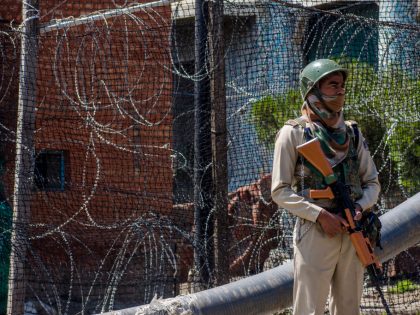
Progressive Indians must oppose governmental violence against Kashmiris. The powers that would seek to deny the oppressed people of Kashmir the right to freely pursue their goal of collective self-determination must be stopped.