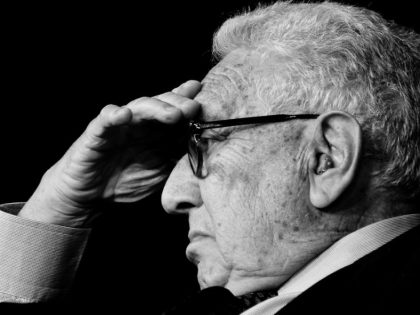
The Verdict on Henry Kissinger
In the United States, one of the twentieth century’s most prolific butchers died as he lived — beloved by the rich and powerful, regardless of their partisan affiliation.
In the United States, one of the twentieth century’s most prolific butchers died as he lived — beloved by the rich and powerful, regardless of their partisan affiliation.
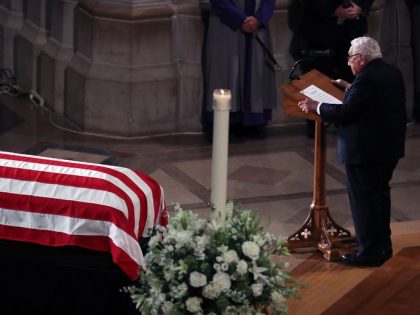
From Rockefeller to Nixon, then on to Reagan, George W. Bush, and Donald Trump, Kissinger’s service tracked the metaphysical evolution of American power. We all live now in the Kissingerian void. What horrors await?
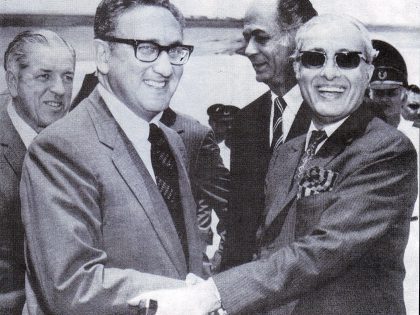
When war erupted in South Asia in 1971, Henry Kissinger called Indians “bastards,” and Richard Nixon said they needed “a mass famine.” For both men, US interests were worth killing hundreds of thousands of Bangladeshis and displacing millions more.
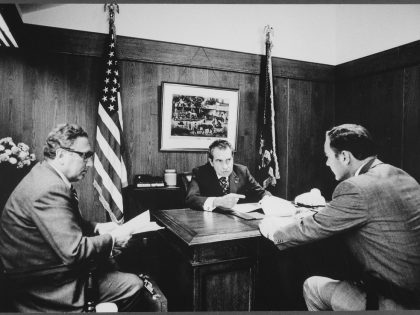
By all accounts, the death and destruction Henry Kissinger wreaked upon Cambodia never burdened him. But he bears responsibility for a brutal American bombing campaign and creating the conditions that spurred the Khmer Rouge to power.
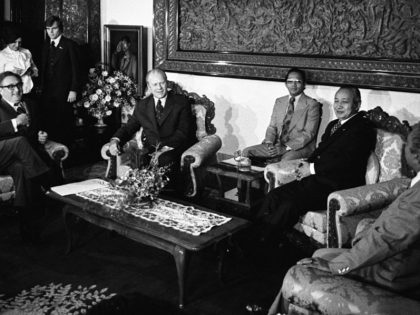
Henry Kissinger once said that the slaughter of hundreds of thousands in East Timor would have occurred no matter what he did. He was too modest.
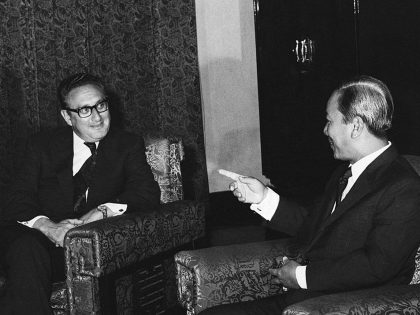
In Vietnam, Henry Kissinger had no principles whatsoever. There’s nothing to suggest that he had qualms about people dying or suffering.
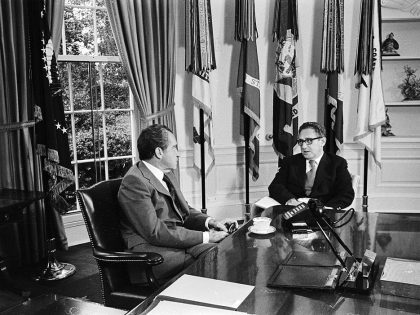
Ask anyone over the age of 50 in Cyprus who is to blame for the island’s ongoing divisions, and the answer will be almost unanimous: Henry Kissinger.
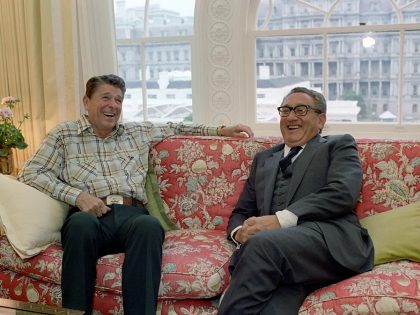
Why would Henry Kissinger plan a covert operation in Angola? Because he wanted to exorcize the ghost of Vietnam — and he thought the war would provide a cheap boost to American prestige.
Henry Kissinger was fond of telling Congress that he was in the business of real estate, not social work. Real estate, much like empire, is suited only to thugs and tyrants — as Kissinger’s decades of meddling in the Persian Gulf make clear.
With US policy in war-torn southern Africa perpetually on the verge of capsizing, Henry Kissinger’s desire for stability put him in conflict with the ascendant New Right, which was firmly committed to white minority rule.
Western Sahara, the largest non-self-governing territory in the world, is today bisected by a 1,700-mile-long sand wall and millions of land mines. Henry Kissinger and the Ford administration were undoubtedly proud of their hard work in the region.
With Central America in flames, Henry Kissinger’s challenge was to portray local revolutionary movements as foreign conspiracies more alien than the United States’ own violent interventions. Where democracy failed, capitalism flourished.