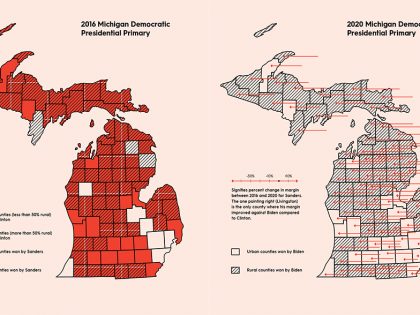
How We Lost Michigan
In 2016, Bernie won a major upset in Michigan, thanks in part to a groundswell of support in the state’s rural areas. In 2020, he lost every county in the state — and the numbers show he lost many of his rural supporters, too.
Jonah Walters is a writer and postdoctoral fellow at UCLA.
In 2016, Bernie won a major upset in Michigan, thanks in part to a groundswell of support in the state’s rural areas. In 2020, he lost every county in the state — and the numbers show he lost many of his rural supporters, too.

Alexandria Ocasio-Cortez is pushing to kick military recruiters out of high schools and off Twitch. And she’s right: the military’s recruitment strategy of preying on low-income and working-class students is grotesque.
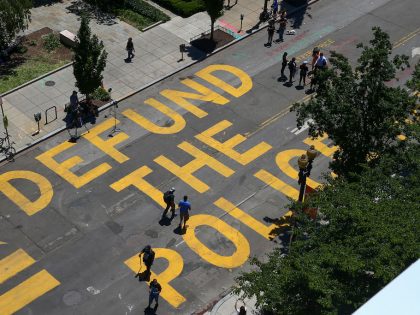
By aggressively pushing for higher budgets and salaries, police officers have insulated themselves from accountability while draining resources from essential public programs. It’s long past time to defund them.
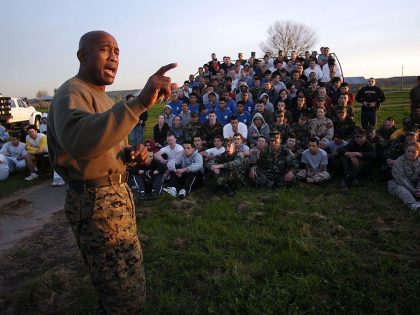
This summer, military recruiters continue focusing their efforts on twenty-three American cities with large numbers of black and Latino young people. As coronavirus drives thousands into unemployment, the Pentagon is developing bizarre neighborhood profiles and trolling social media to boost their enlistment numbers.

For organizers in Central Pennsylvania, the Bernie Sanders campaign was an opportunity to build social-democratic politics in conservative territory. As Pennsylvanians go to the polls today, those organizers emphasize that Sanders’s unprecedented campaign was a success in putting left politics on the map in rural regions like theirs.
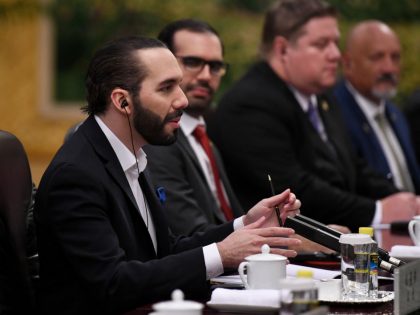
El Salvador’s president, Nayib Bukele, is enforcing one of the strictest social distancing orders in the world, subjecting thousands to arrest and expanding an already ravenous and bloated prison system. With millions facing destitution and abuse, coronavirus is laying bare the instability that has always been at the core of neoliberalism in countries like El Salvador.
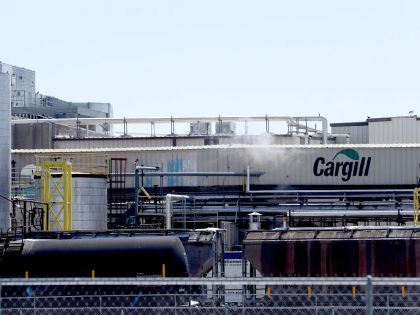
Donald Trump is insisting that meatpacking plants stay open, despite companies like Cargill coming under fire for the deplorable workplace conditions that are spreading coronavirus. We spoke to a worker who says Cargill's carelessness and deceit made a bad situation incalculably worse.
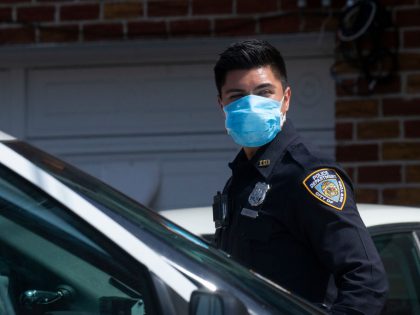
One in six New York City police officers is out sick. Those who are still working have refused to perform emergency duties, like assisting overstressed mortuary workers, while continuing to make unnecessary arrests. It’s time to send New York cops home.
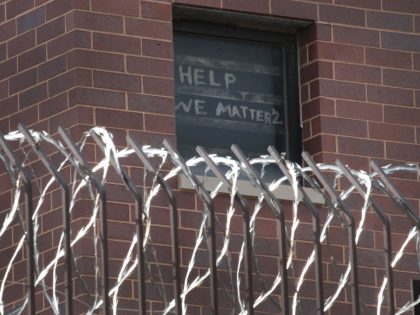
As COVID-19 rips through American prisons, incarcerated people have braved violent repression to demand a humane response to their suffering. In an interview with Jacobin, Pulitzer Prize–winning historian Heather Ann Thompson explains the current wave of prisoner protest — and what it could signal about the future of American politics.
Thousands of drivers have rented vehicles through Lyft’s Express Drive program, working long hours for the company to pay off weekly rental bills. Now there aren’t enough rides on the road, and drivers can’t pay. We talked to Lyft drivers in three cities about how they’re managing the possibility of losing their cars in the middle of a pandemic.
Uber announced it will give its drivers two weeks paid leave — but only if they test positive for coronavirus. We talked to a veteran Uber driver in Philadelphia about his decision to stop driving and the company’s pathetic response to the pandemic.
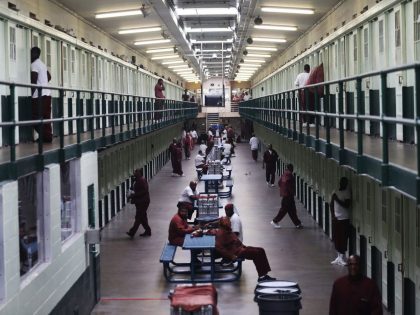
Jails and prisons will inevitably prolong the COVID–19 outbreak and increase the rate of infection. Any rational response to the crisis must include a coordinated national effort to get as many people out of jail as possible — fast.
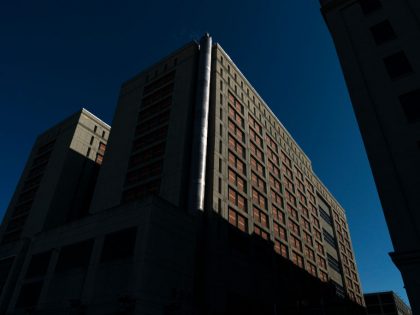
In Bernie Sanders, we finally have a presidential contender fighting for the restoration of incarcerated voters’ democratic rights — a long overdue, commonsense reform that could have far-reaching implications for American prisons, the American political system, and, at a time of pandemic, society as a whole.
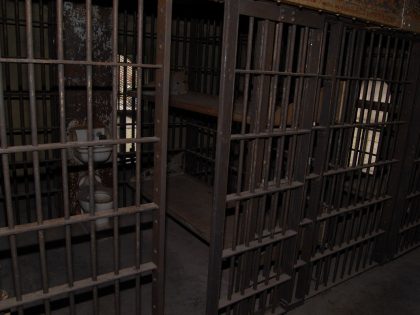
Mass incarceration is commonly thought of as a big-city problem. But as small-town economies have declined, county jails have expanded — and rural incarceration rates have jumped dramatically.

Pink Tide populism was built in the context of two decades of deindustrialization and industrial fragmentation. But we need a socialist left that can reverse those very trends.
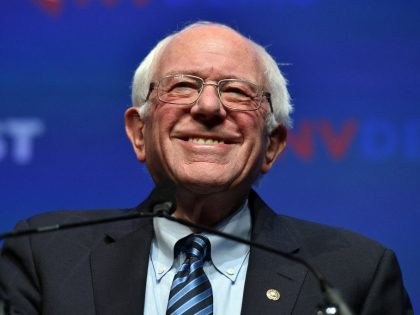
This Democratic primary could change everything. New York magazine columnist Eric Levitz discusses how Bernie Sanders’s class-struggle candidacy could realign US politics and what roadblocks it will run into.
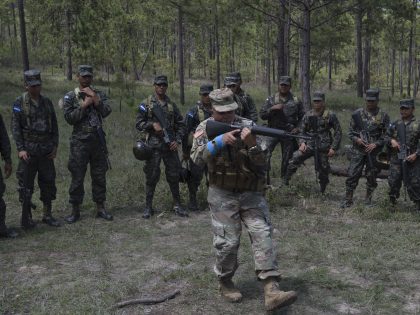
During the Cold War, the US trained cops in more than fifty countries to suppress dissent. This “police professionalization” helped produce death squads in countries like El Salvador and mass incarceration in the United States.

The anti-autocracy movement in Nicaragua is a reflection of broader popular struggles against neoliberal policies across Central America. It shouldn’t be dismissed or reduced to its most reactionary elements.
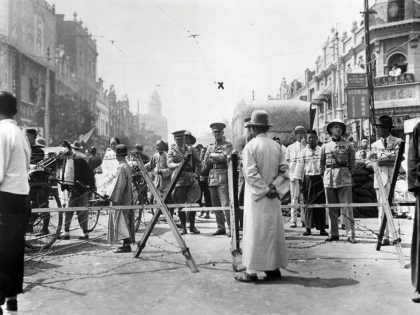
The life and times of Smedley Butler.

With its celebration of mercs rampaging through Africa, no healthy society could produce a magazine like Soldier of Fortune.